← Back to All Solutions

Solutions

Exhaust Aftertreatment

GT-SUITE exhaust aftertreatment modeling simulates catalyst and filter performance to reduce NOx, CO, HC, and PM emissions across all drive cycles.

Solution Overview

One Tool, Every Aftertreatment System

Exhaust aftertreatment (EAT) systems are crucial for reducing harmful emissions like NOx, CO, HC, and PM, ensuring compliance with strict environmental regulations. Modeling EAT systems is key to optimizing performance, predicting behavior under various conditions, and accelerating development. Gamma Technologies provides an advanced platform for EAT system modeling, offering tools to design, optimize, and validate systems across automotive, genset, marine, locomotive, and chemical industries, ensuring top-tier emission control.

EXISTING CHALLENGES

Key Challenges in Exhaust Aftertreatment System Development

  • New Catalysts and Particulate Filters: Developing advanced catalysts and particulate filters using materials such as Platinum, Cerium, and Zeolite to address evolving emissions, including N₂O, CH₂O, and CO₂.
  • Thermal Management: Managing transient emissions during cold starts, catalyst light-off, and cumulative emissions, particularly in hybrid and intermittent-operation systems.
  • Catalyst Aging and Poisoning: Maintaining long-term catalyst efficiency despite performance degradation caused by high temperatures and contaminant exposure.
  • System Complexity and Controls: Managing complex control strategies for fuel dosing, particulate filter regeneration, urea dosing for SCR NOx conversion, and rapid catalyst warmup.

Application Highlights

Flexible Aftertreatment System Modeling

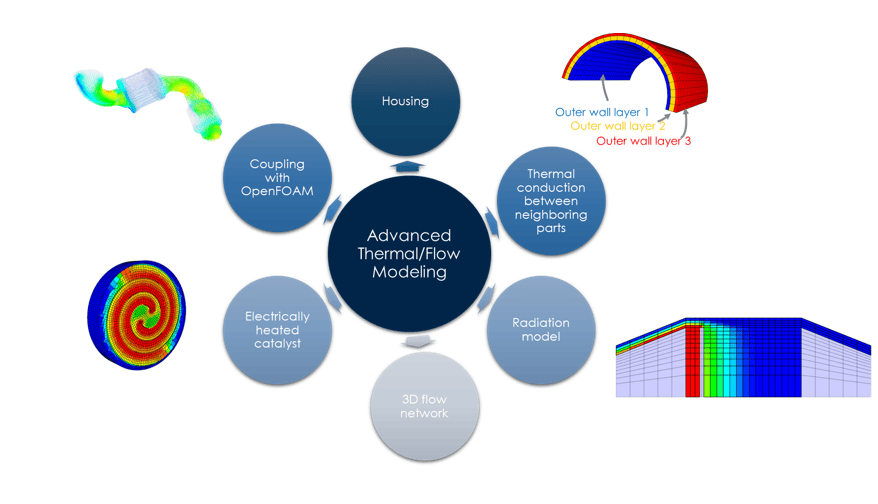
  • Built-in two-way coupling with 3D CFD (CONVERGE™) for high-fidelity flow and mixture distribution accuracy
  • Quasi-2D/3D modeling of filters and catalysts for spatial accuracy without full CFD cost
  • Highly flexible interface for entering and modifying any reaction mechanism
  • Advanced Adaptive chemistry solver for fast, accurate solutions to stiff, non-linear systems
  • Fast Quasi-Steady (QS) solver compatible with Real-Time (RT) execution for HIL testing
  • Built-in direct and DOE optimizers for kinetic parameter calibration, including genetic algorithm (GA)
  • Electrically Heated Catalyst (EHC) modeling for cold-start and light-off optimization
  • 1D droplet tracking for urea injection and reagent dosing simulation
  • Structured mesh with symmetry reduction for faster 2D/3D catalyst simulations
  • Native lambda and NOx sensor models for closed-loop control development

Exhaust Aftertreatment Modeling Using GT-SUITE

  • Aftertreatment Component Design

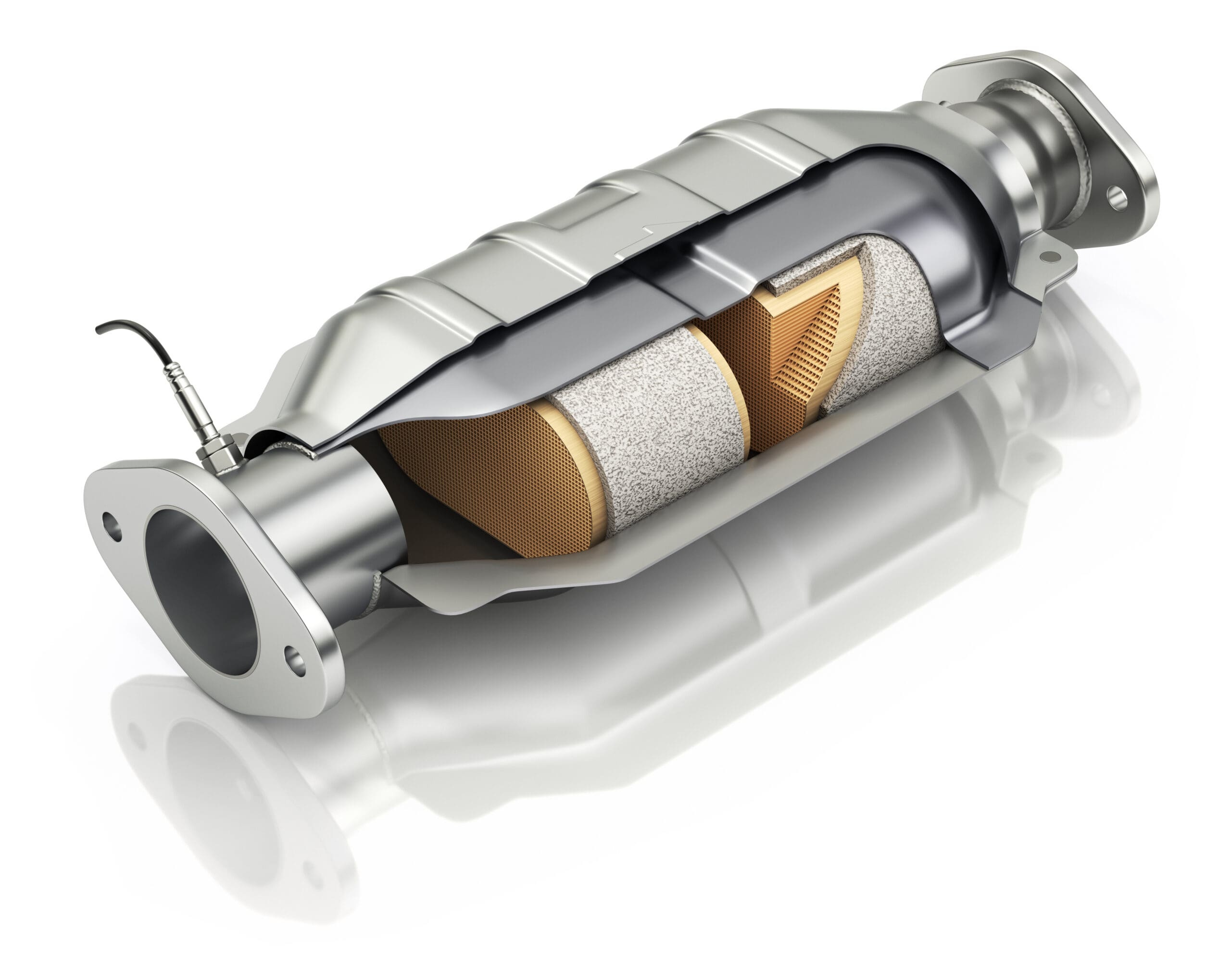
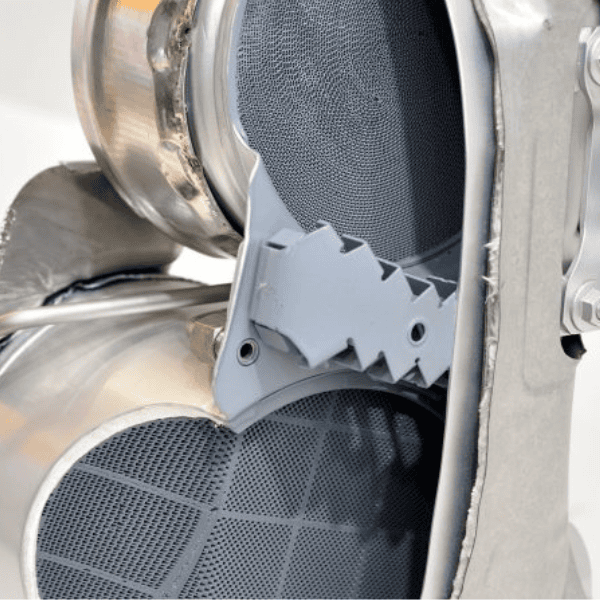
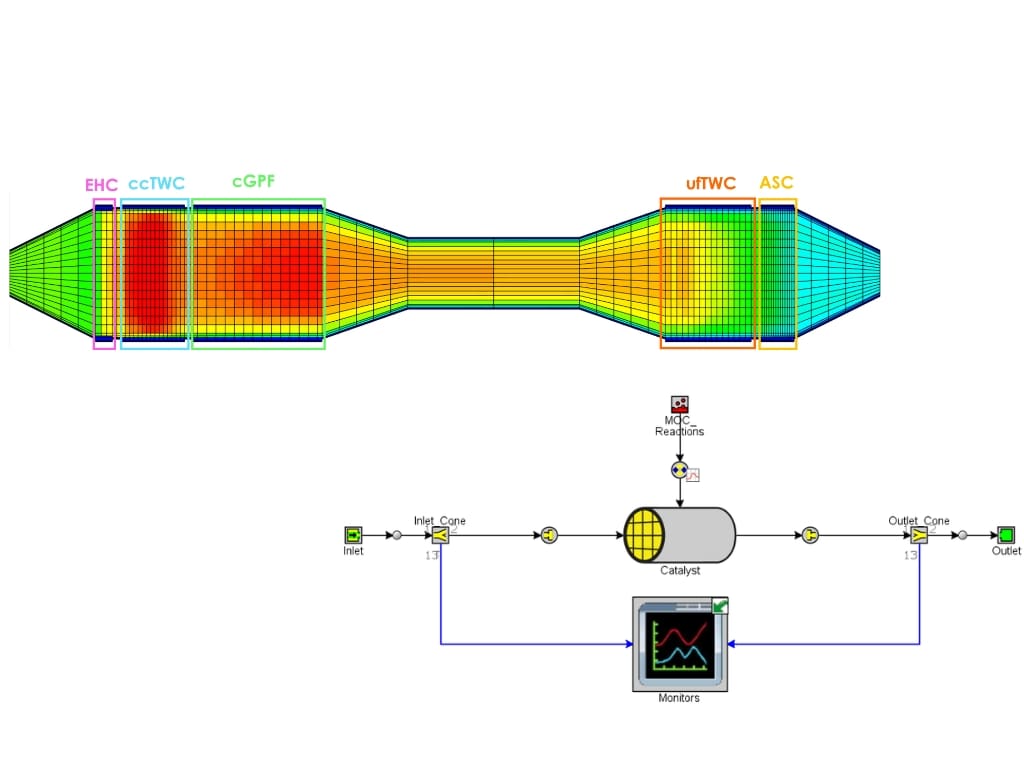
    GT-xCHEM is an advanced tool for modeling exhaust aftertreatment systems, designed to ensure emission compliance across various applications. It supports the modeling of diverse components, including electrically heated catalysts, three-way catalysts, and advanced particulate filtration systems. The tool excels in simulating chemical reactions and addressing thermal and flow non-uniformities. With its monolith design template, it facilitates the modeling of different types of flow-through catalysts and wall-flow particulate filters, offering axial and radial zone layouts for zone-coated catalysts. Optimization features allow engineers to fine-tune catalyst size, precious metal loading, and system layout to meet stringent emission targets. The Quasi-steady flow solver, combined with large time-step transient solutions, provides faster-than-real-time results, enhancing efficiency. GT-xCHEM’s intuitive interface and flexible post-processing capabilities make it easy to generate and compare results. Advanced, well-calibrated examples are included to guide users in effectively applying the tool.

  • Flexible Reaction Mechanism Templates

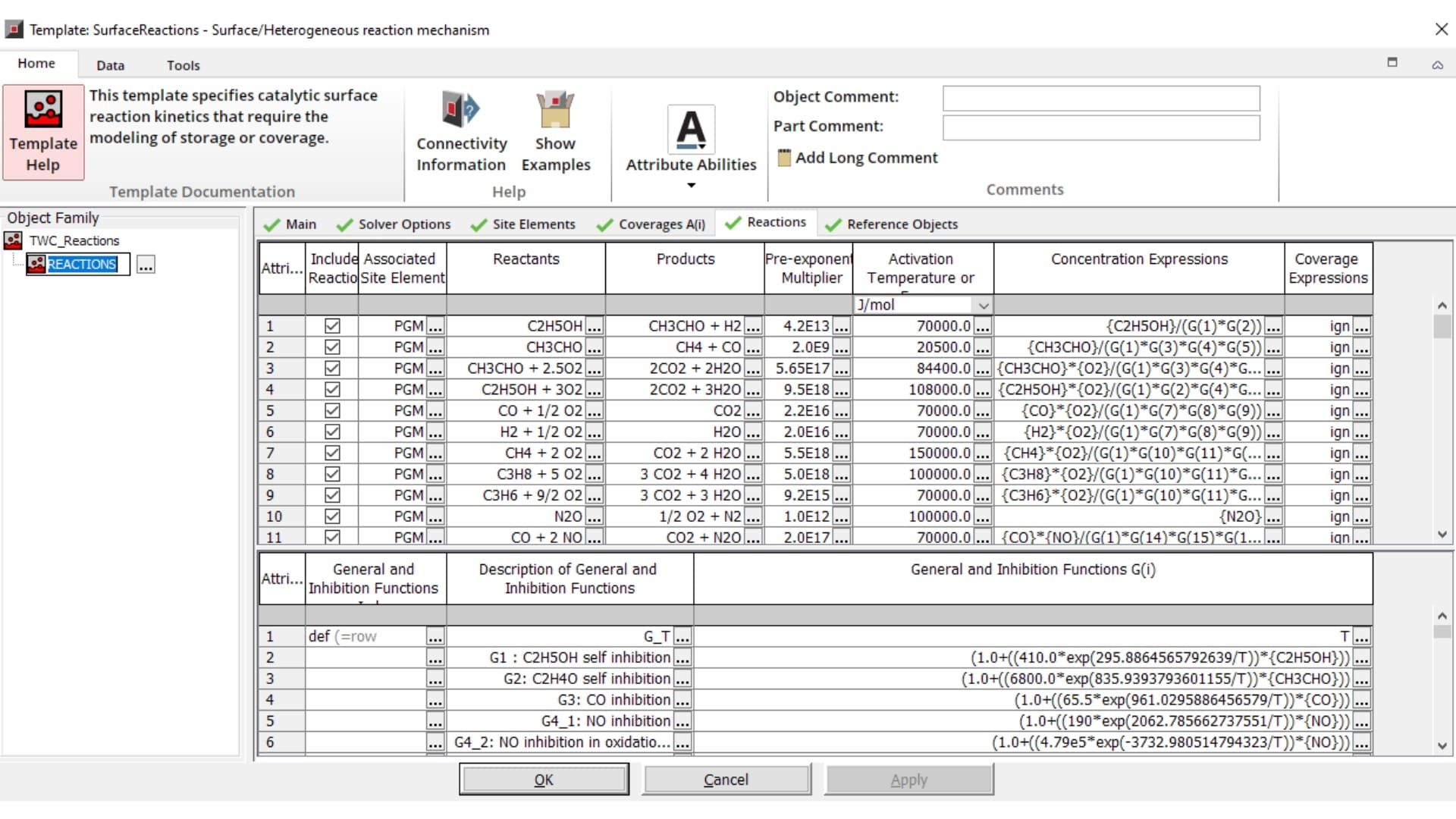
    GT-xCHEM offers a highly flexible reaction mechanism template, allowing users to define custom reaction mechanisms tailored to specific requirements. This flexibility ensures precision and adaptability across various applications. Additionally, it includes well-calibrated model examples that serve as a strong starting point, enabling users to build upon proven models and streamline their simulation processes efficiently.

  • Catalyst Aging and Poisoning Model

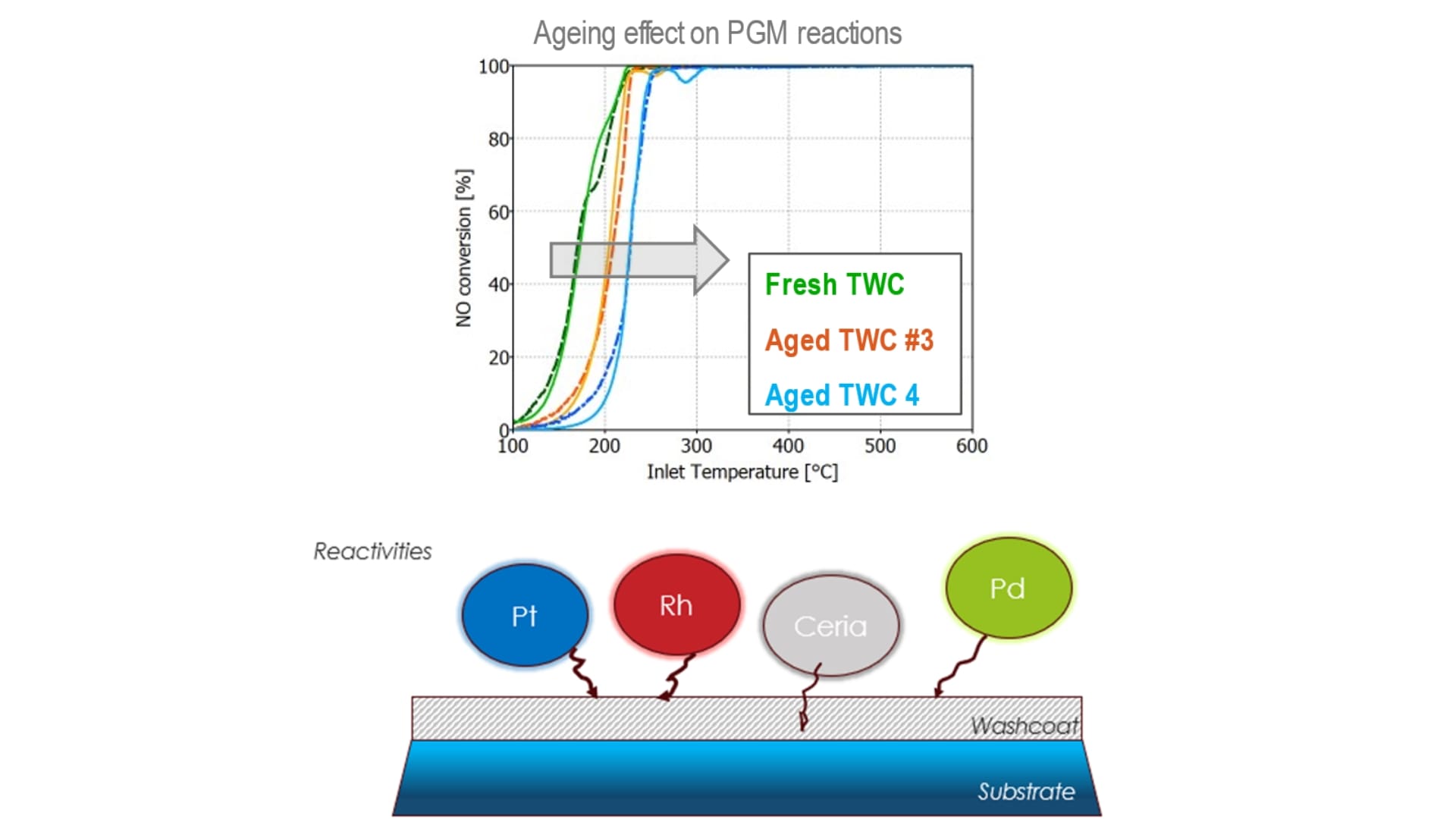
    Ageing Model: The catalyst activity ageing model simulates the gradual degradation of catalyst performance over time by reducing the site dispersion factor based on several key variables. This helps predict the impact of aging on efficiency and lifespan.

    Poisoning: The model also incorporates the effects of platinum oxide formation and sulfur poisoning, where site blocking coverages reduce catalyst activity. By simulating these poisoning effects, the model enables better prediction and management of catalyst performance under harsh conditions.

  • System Integration

    Integration with GT-SUITE enhances the tool’s utility by enabling the combination of subsystem models into unified system-level simulations. This integration facilitates a comprehensive evaluation of system interactions and trade-offs, such as emission reduction versus fuel consumption, NOx versus particulate matter (PM) emissions, thermal boundary conditions for system control, and optimization of control strategies. This empowers engineers to explore a wide range of scenarios and optimize overall system performance across various applications.

  • Machine Learning

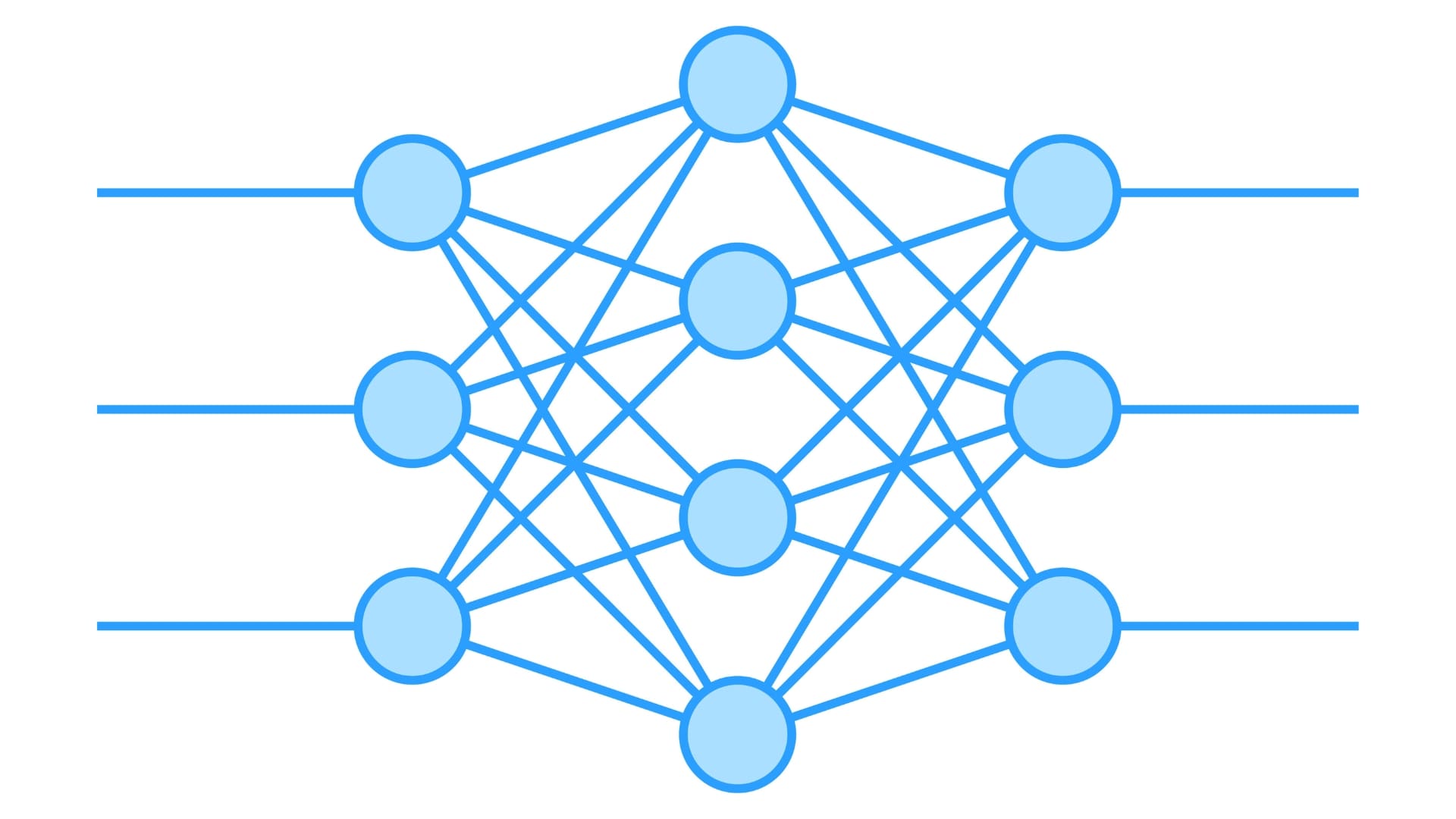
    GT-xCHEM with GT-SUITE leverages the power of machine learning to revolutionize chemical kinetics modeling, offering faster and more efficient simulations for a wide range of industrial and research applications. By integrating advanced computational techniques, the tool simplifies complex tasks, enabling engineers to optimize designs and streamline workflows. It accelerates simulations, facilitating rapid-running plant models for multi-physics simulations, hardware-in-the-loop simulations, and design optimization. With lightweight mathematical models deployable on microcontrollers, embedded control units (ECUs), or low-power devices, it ensures optimal performance even in constrained environments. The tool also supports dynamic and static metamodeling techniques, such as polynomial regression, Gaussian interpolation, and neural networks, including multi-layer perceptrons and non-linear autoregressive exogenous models (NARX), to capture intricate system dynamics. By enhancing decision-making, GT-xCHEM empowers engineers to understand complex relationships between inputs and outputs, leading to more informed and accurate decisions.

  • Advanced Thermal Management

    In aftertreatment systems, effective thermal management involves technologies such as electrically heated components, burners, and secondary air pumps, which are particularly beneficial during cold starts. The design and optimization of system components help maintain ideal temperatures by minimizing thermal losses. Additionally, phase change materials (PCMs) play a key role in preventing system cool-down during shutdowns, which is crucial for maintaining performance in various applications, including hybrid systems.

Advanced Features

Advanced Aftertreatment Integration

GT-xCHEM supports every aftertreatment architecture with real-time, ECU-compatible integration for vehicle and control system development.

check mark icon

Full System Integration

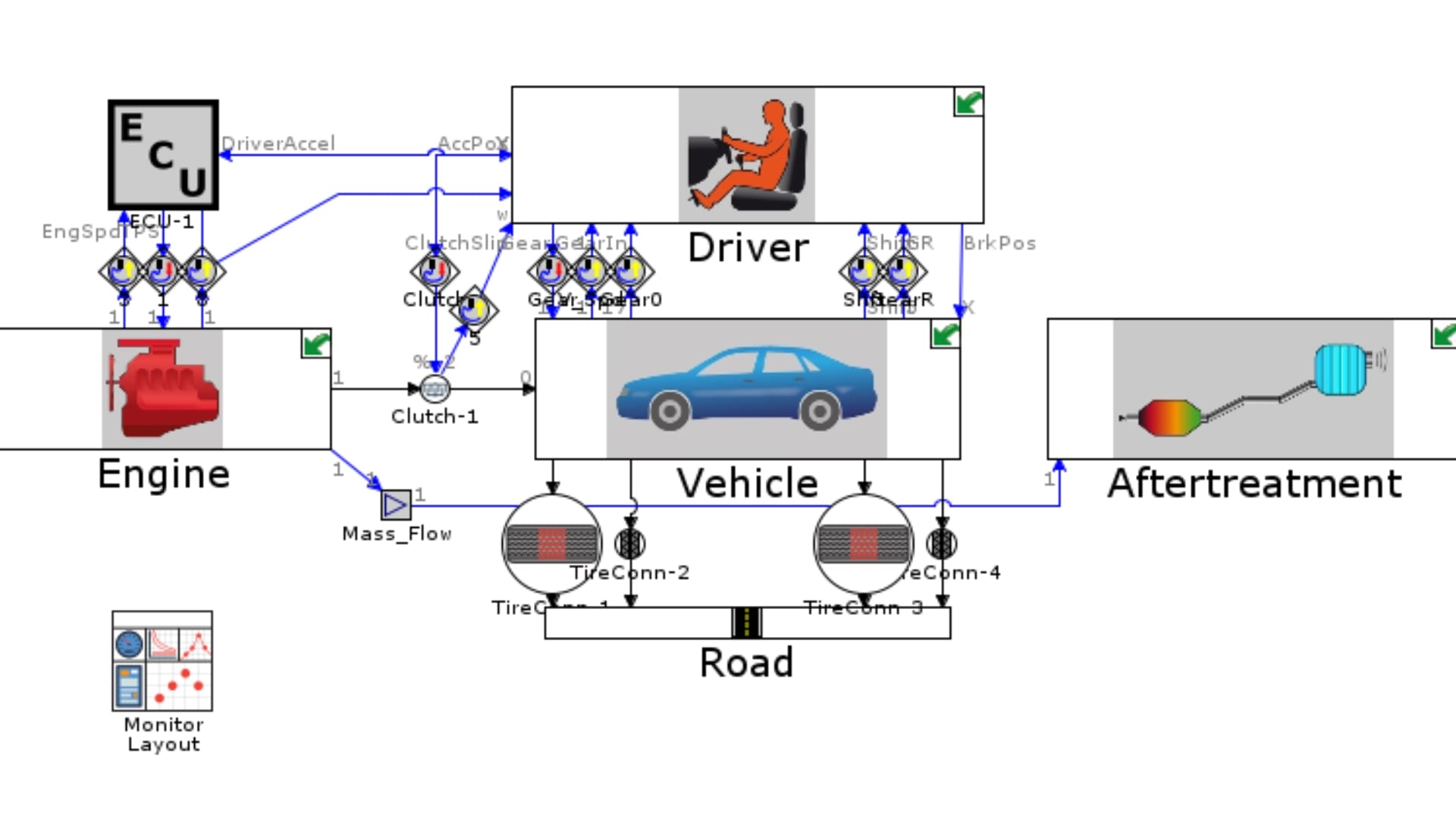
Model any aftertreatment component in isolation or as part of a fully integrated system encompassing engine, vehicle, driveline, and controls. This unified approach eliminates the need for separate tools and enables comprehensive system-level trade-off analysis.

check mark icon

Real-Time Virtual Coupling

Achieve real-time simulation performance through virtual coupling with engine, vehicle, and control sub-systems, without compromising physical accuracy. This capability is essential for hardware-in-the-loop (HIL) testing and ECU-compatible plant model development.

check mark icon

Electrically Heated Catalyst (EHC) Modeling

Simulate electrically heated catalyst systems with electrode-level detail to optimize cold-start thermal management and catalyst light-off strategies. This capability directly supports compliance with increasingly stringent low-temperature emissions regulations.

check mark icon

Reagent Dosing and Regeneration Control

Develop and validate control strategies for urea injection, ammonia dosing, and fuel-based DPF regeneration within a single simulation environment. Tight integration with control sub-systems enables rapid calibration and optimization of dosing logic.

check mark icon

Drive Cycle and Real Driving Emissions (RDE) Simulation

Evaluate aftertreatment system performance across standardized drive cycles and real-world route-based scenarios, including RDE compliance assessments. The fast quasi-steady solver enables efficient transient simulations at scale.

check mark icon

Advanced Catalyst and Filter Coverage

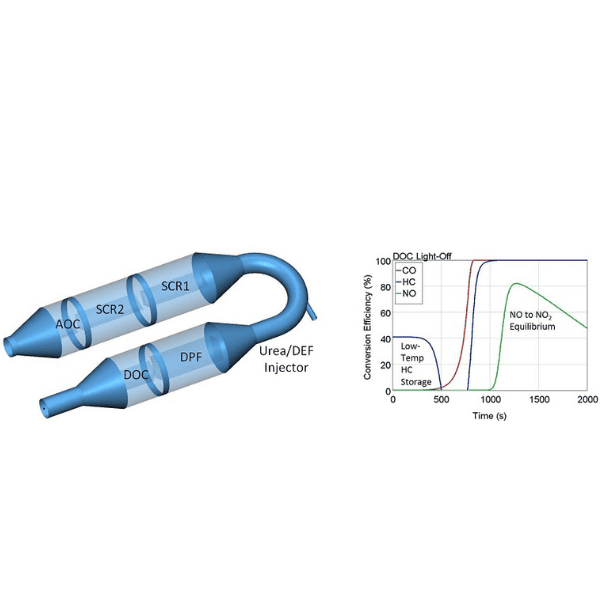
Support the full spectrum of modern aftertreatment architectures, including SCR-DPF, EHC, TWC, DOC, LNT, GPF, and Methane Oxidation Catalysts, within a single, consistent modeling framework. This breadth ensures the tool remains applicable as powertrain technologies evolve toward zero-carbon and low-carbon fuels.

Connect with an Expert

Looking for guidance on a systems simulation challenge or project? Fill out the form below and our team will reach out to discuss how we can help.