



Proven Reliability
30+ years leading in system simulation
Industries
Analyzing cooling system performance, thermal management, and energy efficiency for data center infrastructure.
Industry Overview
AI-driven workloads are transforming data center design, pushing power, cooling, and energy infrastructure beyond traditional limits. Meeting these challenges requires more than isolated simulation tools. It demands a system-level approach.
GT-SUITE enables engineers to model and optimize the complete data center ecosystem in a single simulation environment. From advanced cooling systems and electrical infrastructure to UPS and BESS, PUE optimization, microgrids, hydrogen technologies, and digital twins, GT-SUITE helps organizations improve energy efficiency, increase resilience, accelerate design decisions, and future-proof their facilities.

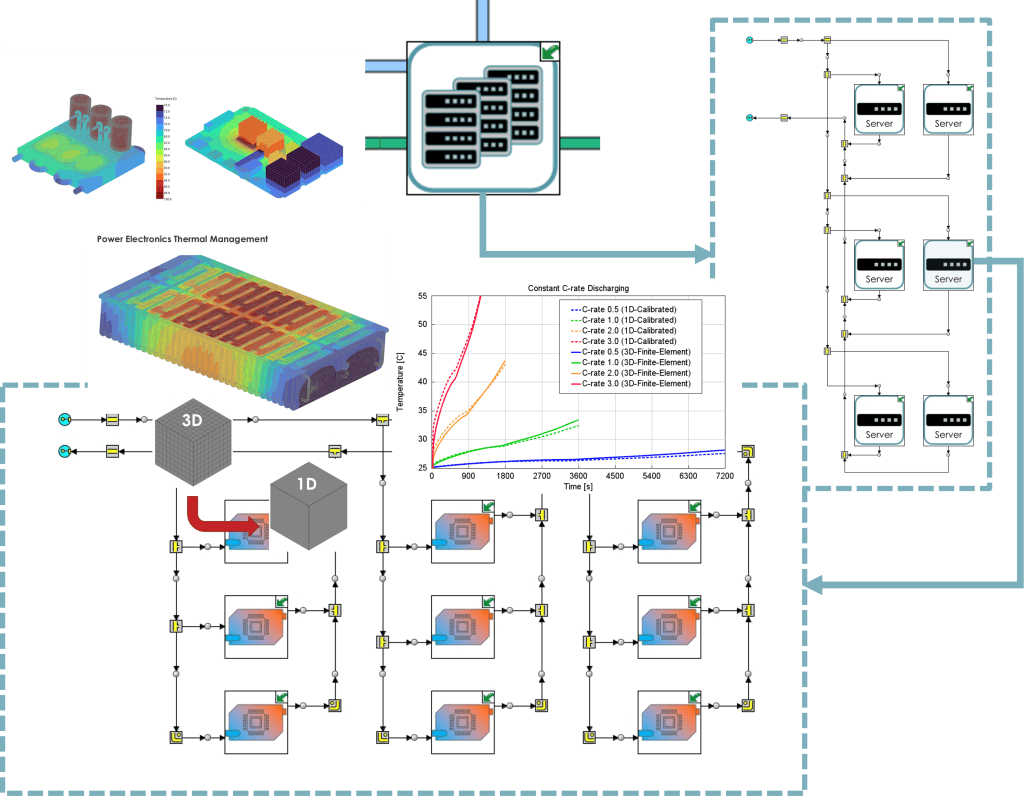
GT-SUITE enables accurate simulation of advanced liquid cooling techniques such as jet impingement, spray cooling, and two-phase refrigerant systems for both air-assisted and direct refrigerant approaches. Engineers can also analyze component failures like pumps or valves and evaluate how the cooling network reroutes flow to maintain operation. With fast transient modeling and seamless 1D–3D integration through internal or external CFD tools, GT-SUITE delivers a practical balance of speed, detail, and reliability for designing robust data center cooling systems.
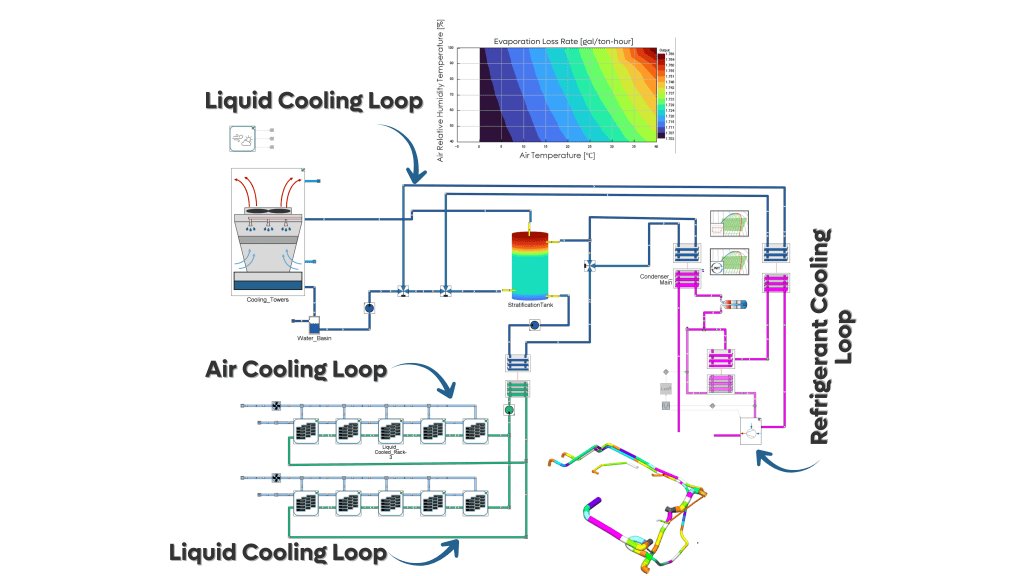
GT-SUITE enables multi-scale modeling for data center thermal management, from building-level airflow to chip-level transient hot spots. Engineers can size components, optimize flow distribution, and evaluate technologies such as liquid direct-to-chip, jet spray, immersion cooling, CDUs, and waste heat recovery. The platform also predicts corrosion effects, supports low-GWP refrigerant selection, and develops active control strategies for stable operation. With integrated optimization and DOE tools, GT-SUITE helps minimize flow variation, improve ΔT across coils, and enhance PUE—empowering engineers to design efficient, reliable, and future-ready HVACR systems.
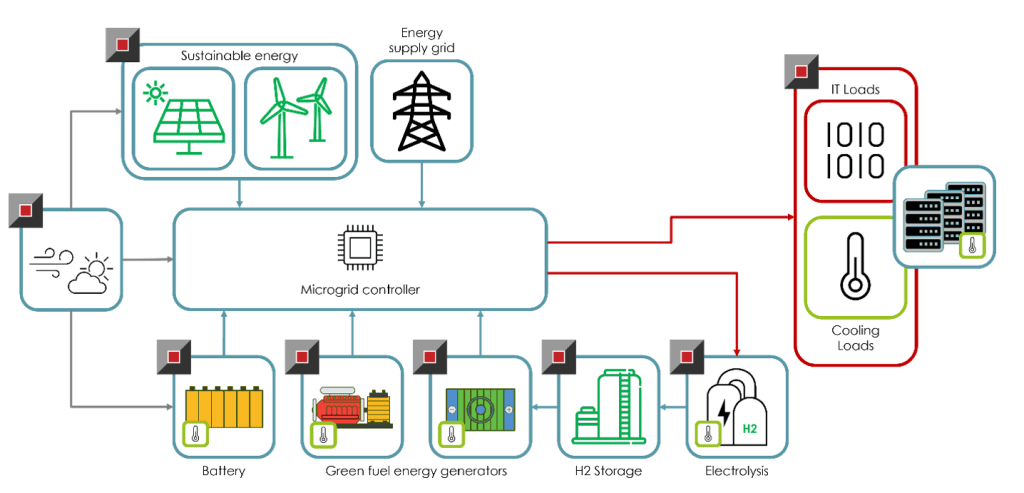
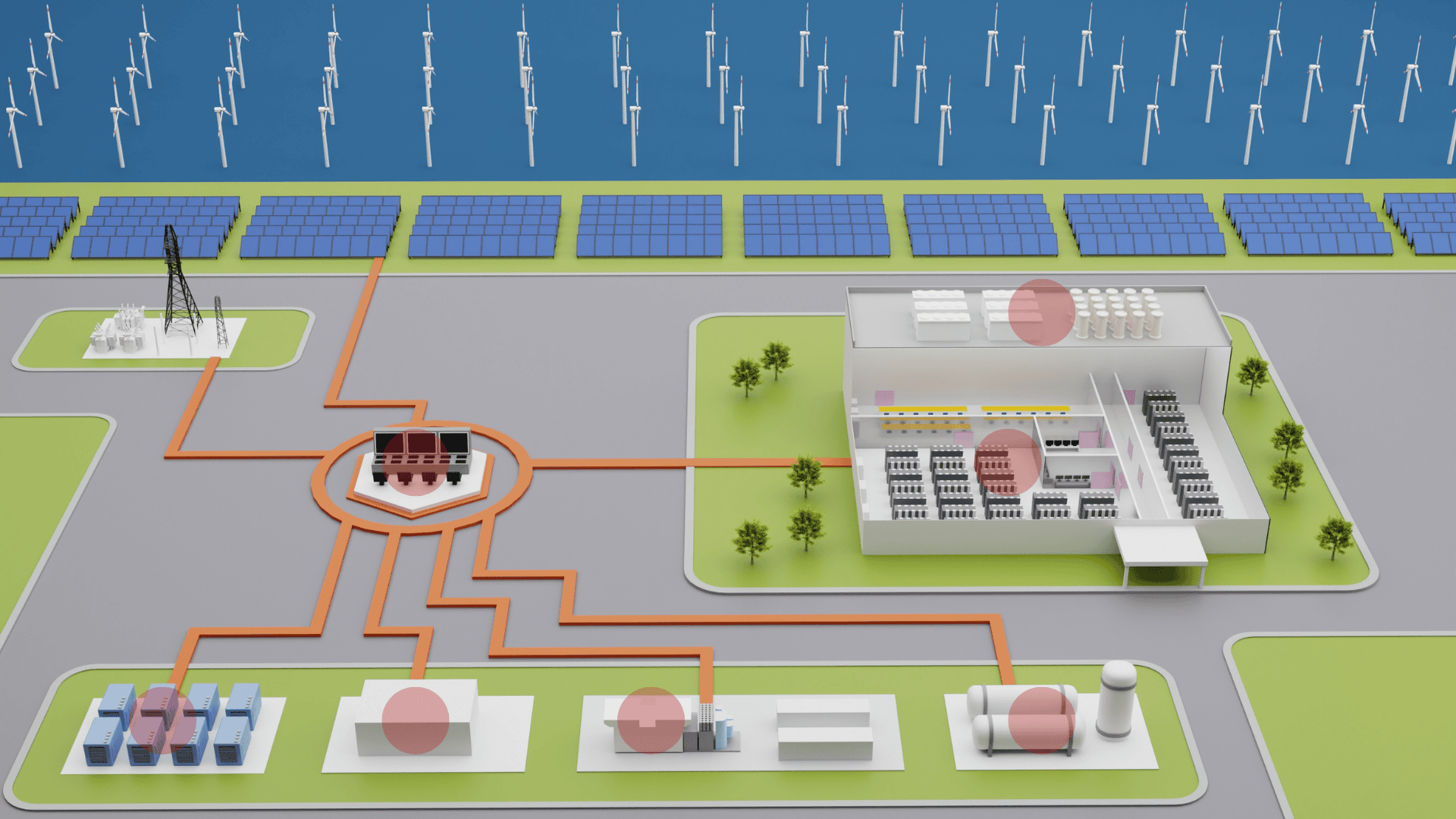
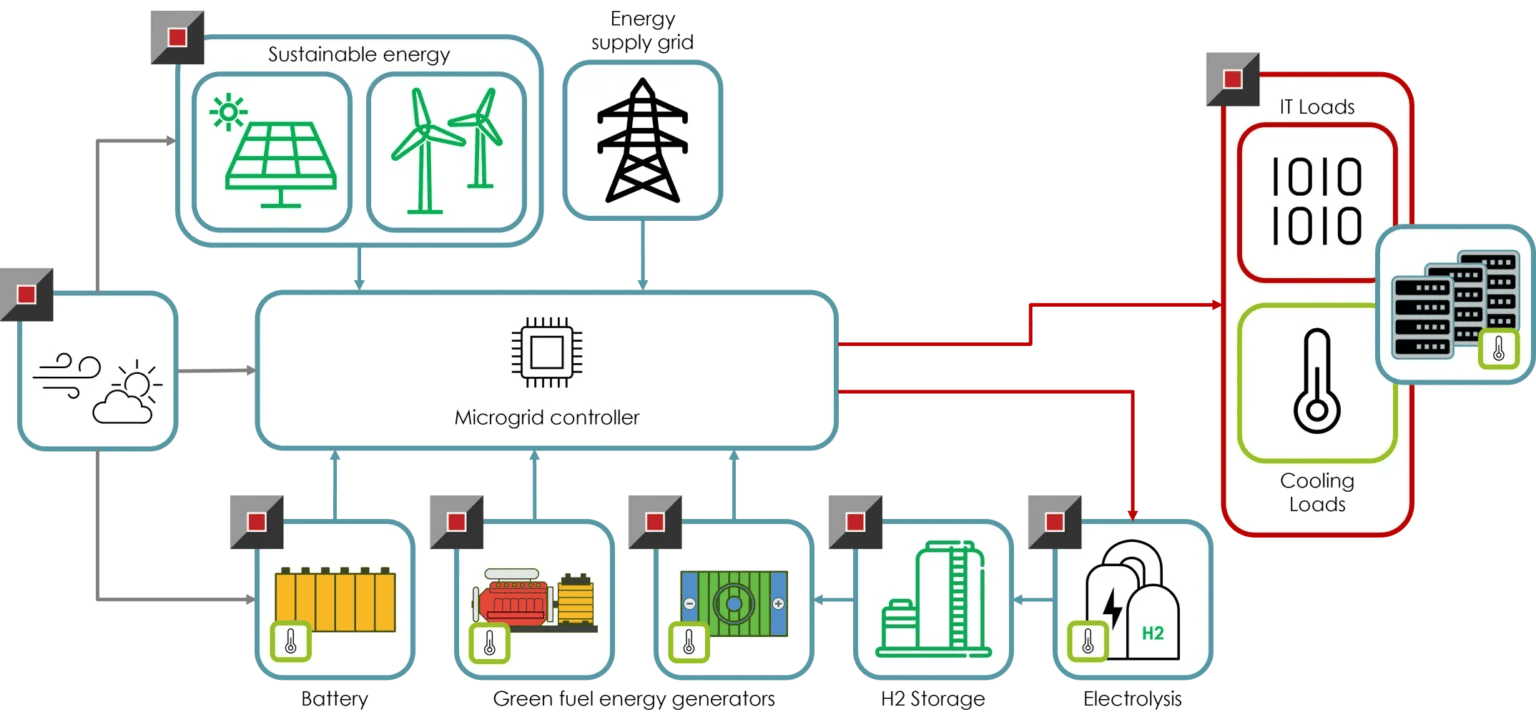
GT-SUITE offers a powerful environment for modeling and optimizing integrated powertrain and microgrid systems in data centers. It enables simulation of renewable sources such as solar, wind, and green fuel generators alongside the main grid, all managed through a microgrid controller. Engineers can analyze how renewables, grid power, and energy storage systems—including batteries and hydrogen—work together to support IT and cooling loads. The platform also models electrolysis and hydrogen storage, allowing excess renewable energy to be converted and reused in fuel cell generators. This integrated approach helps design resilient, efficient, and sustainable power systems that ensure stable operation under varying demand and supply conditions.
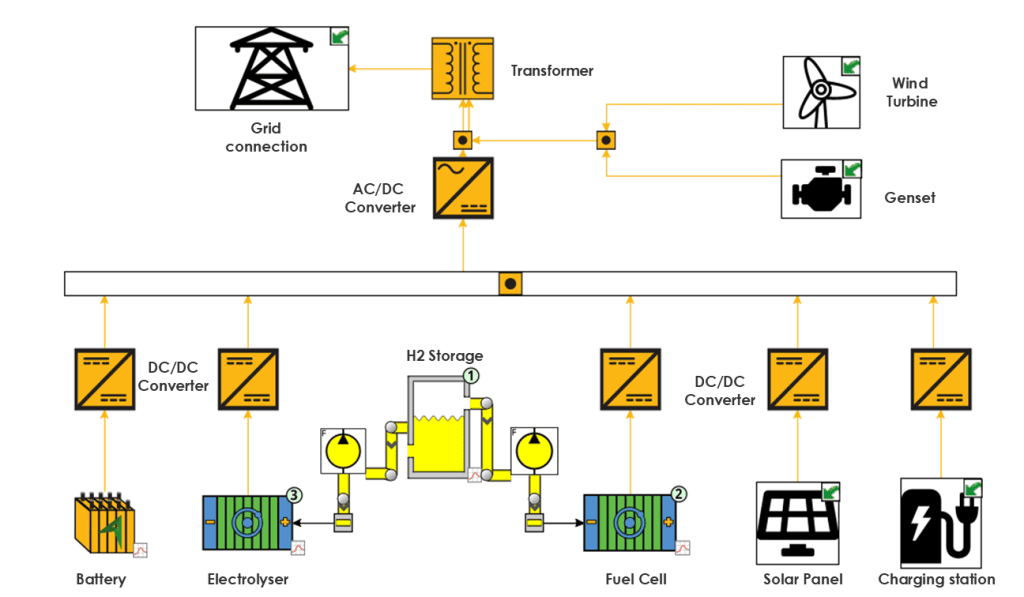
Energy storage solution providers face increasing pressure to integrate batteries, inverters, loads renewables, and control systems into efficient, scalable, and reliable solutions while meeting strict performance targets and regulatory standards.
GT-SUITE addresses these challenges with a multi-physics simulation platform that simplifies system design, accelerates time-to-market, and ensures operational reliability. Its comprehensive modeling capabilities empower engineers to optimize energy flow, enhance system efficiency, and achieve faster, more cost-effective development cycles.
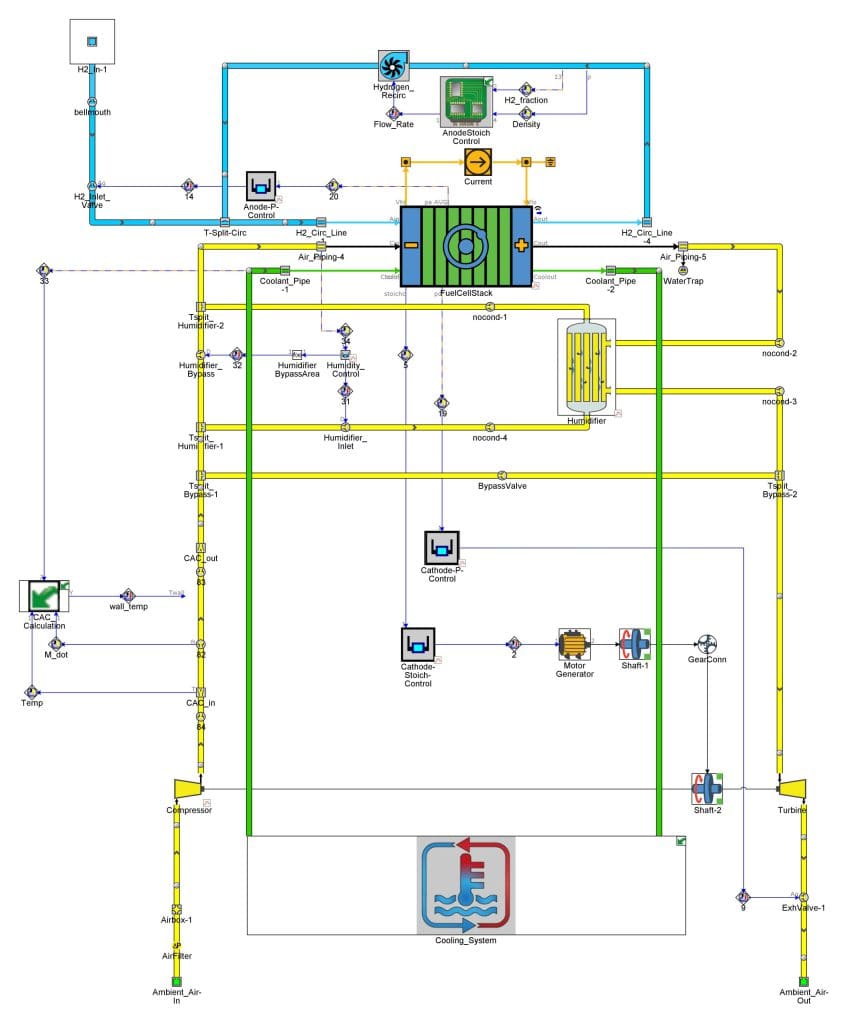
GT-SUITE offers robust multi-physics modeling capabilities that support both electrolysis and fuel cell systems in one unified platform. It provides tools to simulate electrolyzer performance and fuel cell stacks with high fidelity, from electrochemistry and mass transport to thermal and electrical integration. Users can model hydrogen storage, manage humidification, predict degradation, and optimize system controls across plant-level configurations. This allows engineers to design and validate complete hydrogen power systems, from generation through storage to fuel cell conversion, with precision and efficiency.
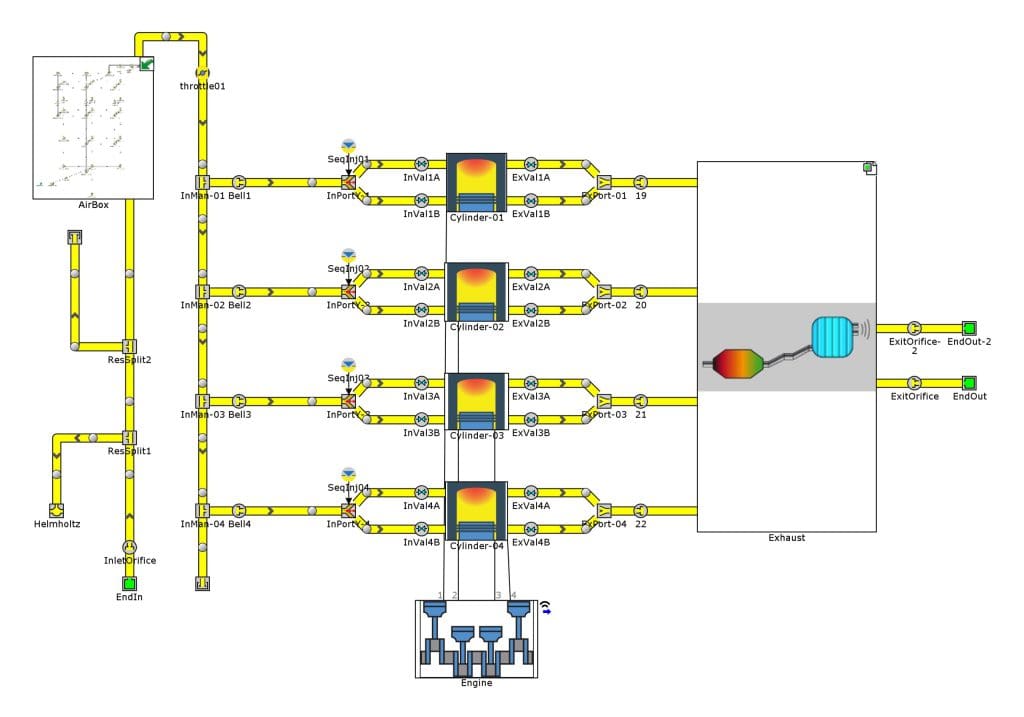
With GT-SUITE, engineers can virtually explore fuel options, optimize control strategies, evaluate different system configurations before implementation and more, saving costs and minimizing risk. In addition, validated GT-SUITE models from suppliers can be directly integrated into data center simulations, enabling faster, more accurate system-level studies that reflect real-world engine performance. The platform also enables analysis of exhaust behavior and emission control performance, helping design cleaner, more efficient backup systems that meet environmental standards without compromising reliability.
Simulation Features
30+ years leading in system simulation
Powering innovation in energy, thermal, and emissions modeling
A comprehensive library of validated, ready-to-use components
Real engineers supporting every project
Easily adapt models from single components to full data center systems
Smarter design powered by analytics, optimization, machine learning and distributed computing
Advanced Features
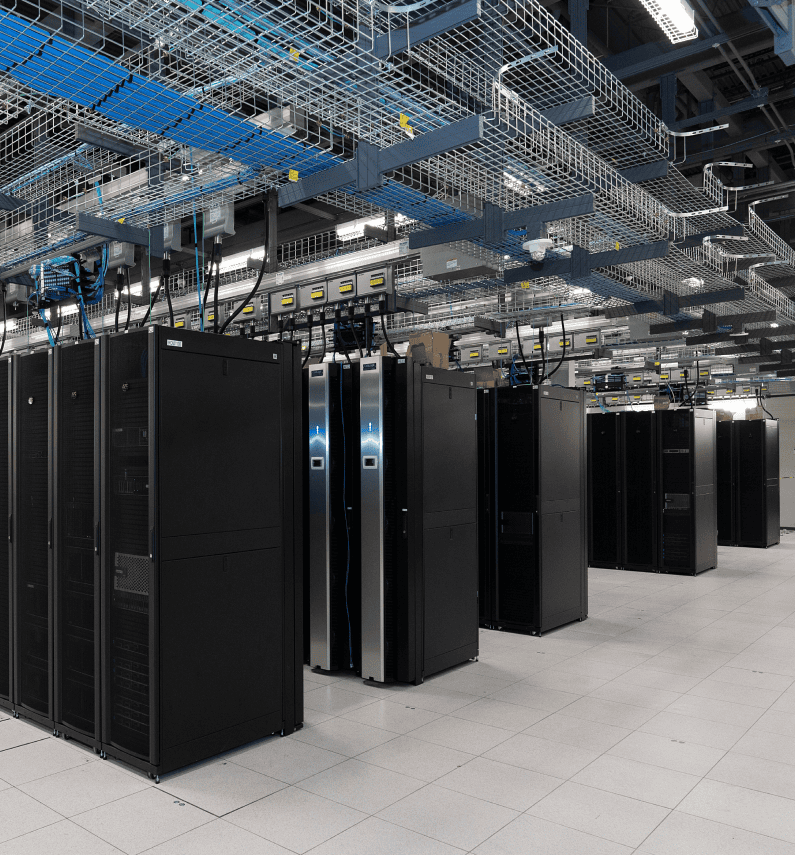
GT-SUITE delivers a complete multi-physics platform for designing and optimizing cooling systems at every level of the data center. From chip-level heat removal to full HVACR plant modeling, engineers can simulate air, liquid, and two-phase cooling technologies, analyze transient loads, size components accurately, and prevent hotspots or overcooling. With fast 1D–3D workflows, advanced heat-exchanger modeling, and seamless integration with power and microgrid systems, GT-SUITE enables reliable, efficient, and scalable thermal designs for modern AI and HPC data centers.
For hyperscale data centers, reliability and efficiency define success. Integrated power distribution, microgrids, UPS, and energy storage systems enable continuous, intelligent, and sustainable operation by combining grid supply with on-site generation and renewables.
GT-SUITE helps engineers design and optimize these connected systems, simulating how renewable sources, on-site power generation systems (including engine-based units), hydrogen storage, and advanced battery technologies work together to deliver stable, cost-efficient, and resilient power. With its integrated modeling approach, GT-SUITE empowers hyperscalers to maximize uptime, reduce energy costs, and accelerate their path toward sustainability.
Case Study
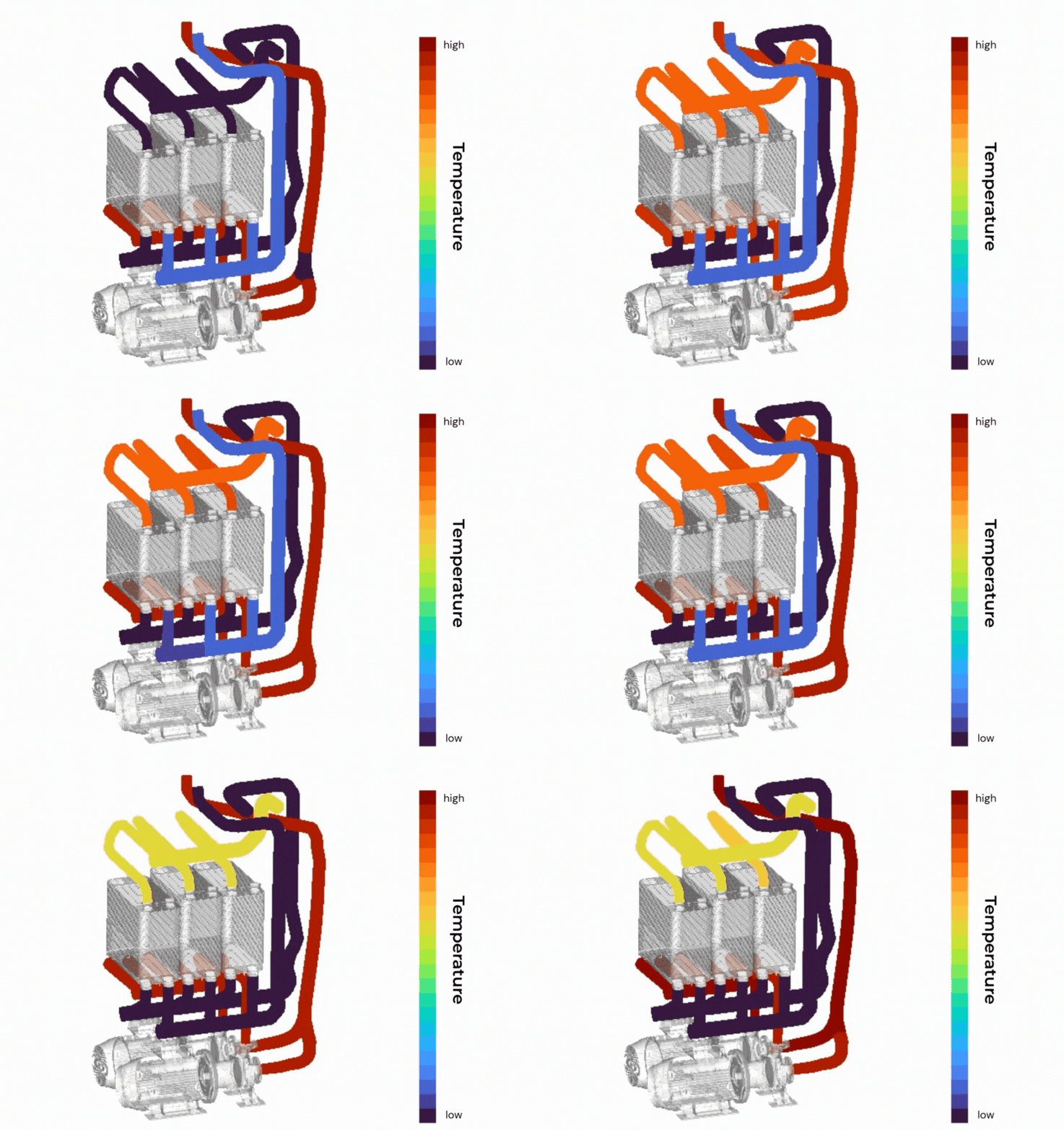
Gamma Technologies developed a physics‑accurate simulation model of the open‑standard Google Deschutes CDU (Coolant Distribution Unit) design, enabling engineers to design, test, and optimize liquid cooling systems without costly hardware prototypes. Built from reference CAD models and performance specifications released through Google’s collaboration with the Open Compute Project (OCP), this validated digital model provides a powerful foundation for integration, scaling, and performance optimization. The result is faster development, improved reliability, and more efficient cooling for high-density, AI-driven data centers.
Gamma Technologies converted the OCP/Google CDU 3D CAD geometry into a validated 1D physics-based simulation model. This approach preserves real-world thermal and hydraulic behavior while enabling fast, system-level analysis.
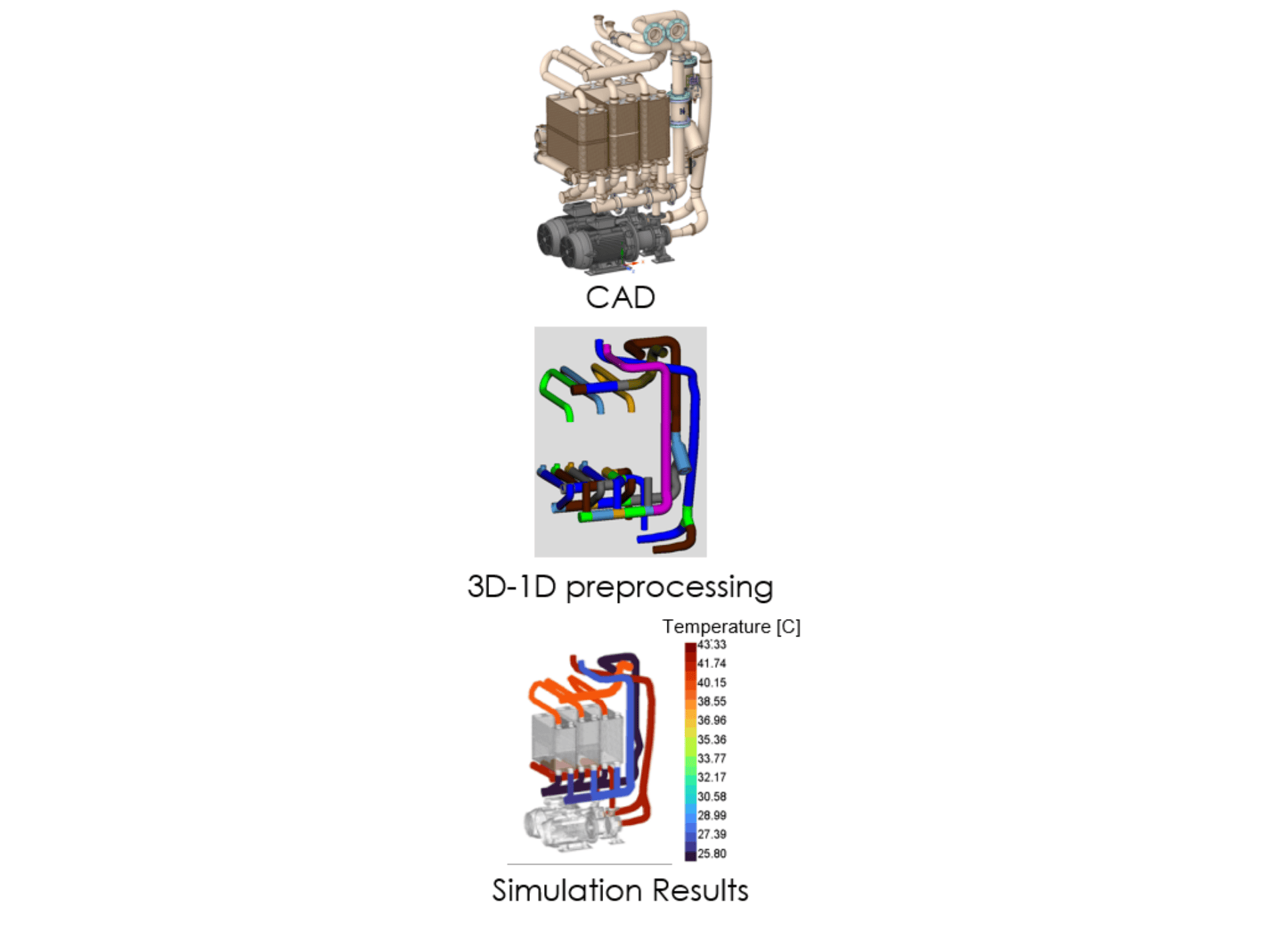
The CDU reference model is validated against published OCP thermal and hydraulic performance specifications, ensuring reliable behavior and seamless system integration.
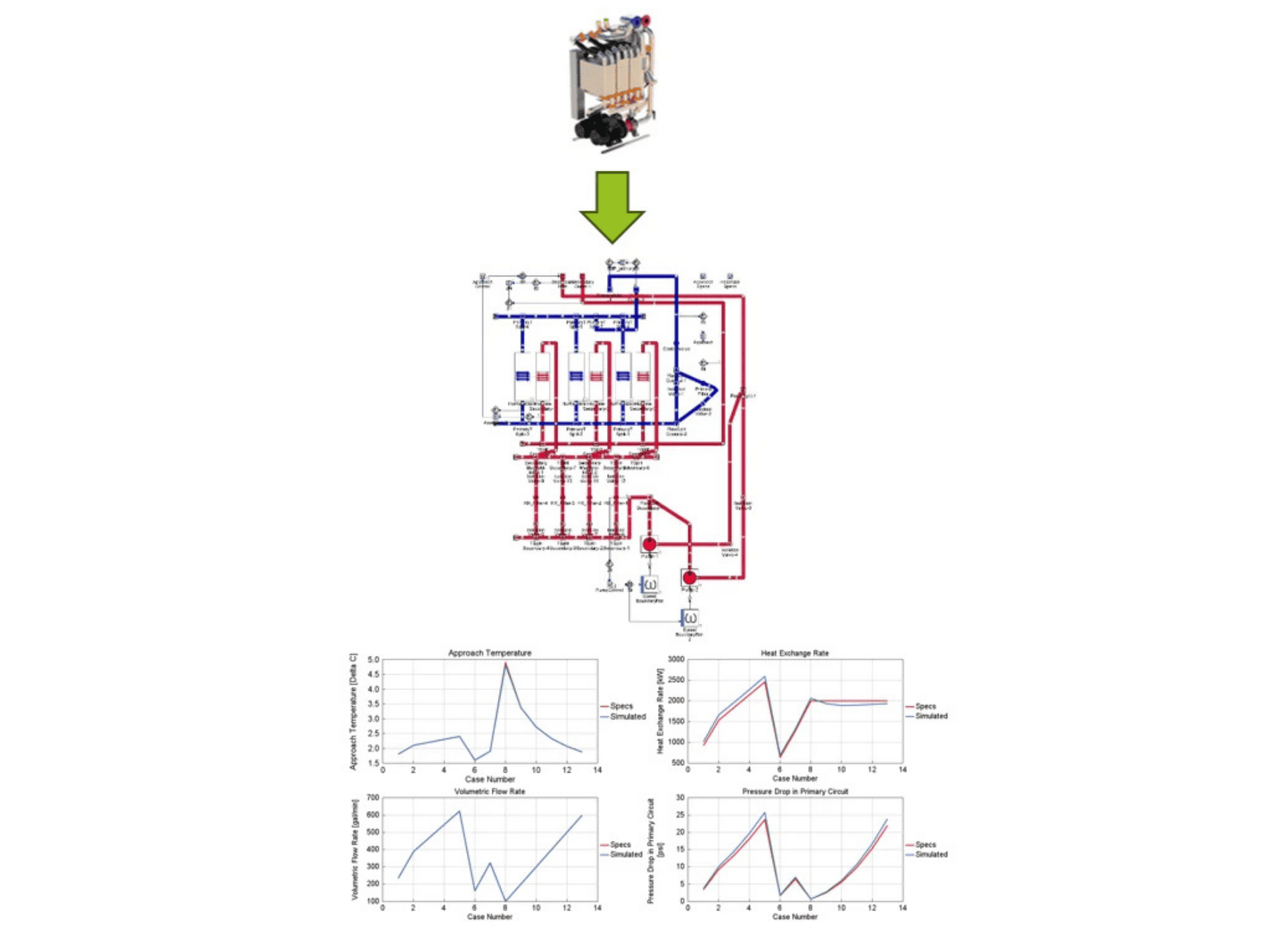
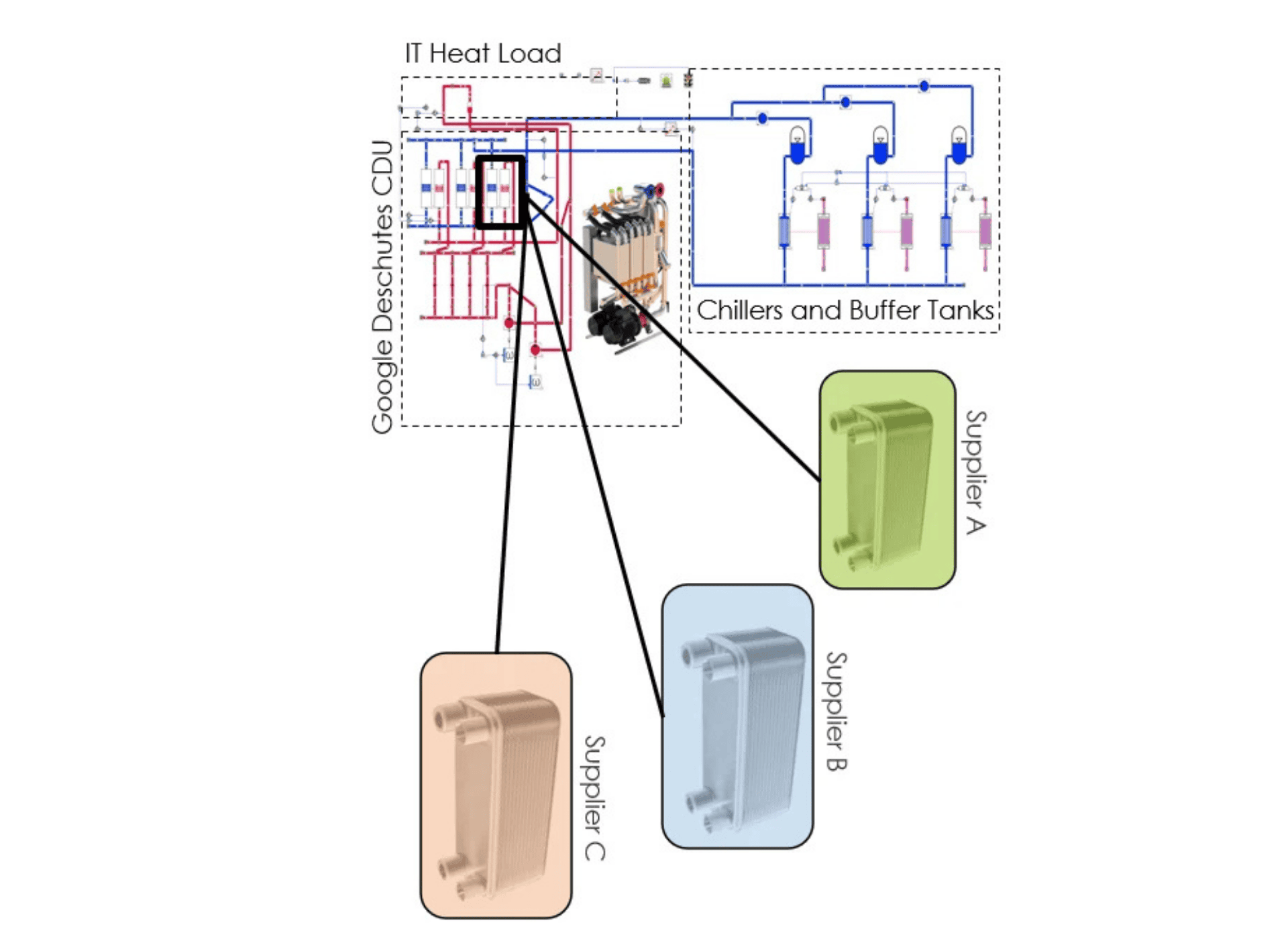
The modular modeling environment enables rapid substitution, comparison, and sizing of components and technologies.
Learn More
Explore the resources below to learn more about this solution, including technical papers, case studies, and application notes.