






Resources

Knowledge & Technical Resources

Access technical papers, case studies, webinars, and training materials to enhance your simulation expertise.

Filters

Infrared Thermal Image of Server Room and Data Center Rack Heat Management Blog

Two-Phase Cooling Design for AI Datacenters with GT-SUITE Scientific AI

Read More
Fuel cell hydrogen truck engine. Eco-friendly commercial vehicle Blog

Replacing a Fuel Cell Circuit with Machine Learning Metamodels: Up to 7x faster vehicle simulation with the Machine Learning Assistant in GT-SUITE

Read More
Autonomous electric car and wireframe rendering of the car body on black background. Digital Twin concept.  3D rendering image. Blog

Part 2 – From ML to Silicon: Deploying a System-Level, ML-Based BEV Digital Twin on an Embedded Microcontroller

Read More
AdobeStock_2035992038-570×400 Blog

Inside the AI Factory, Part 2: Battery Integration and Grid Power Smoothing

Read More
Mechanic holding turbocharger with holographic digital blueprint in workshop Blog

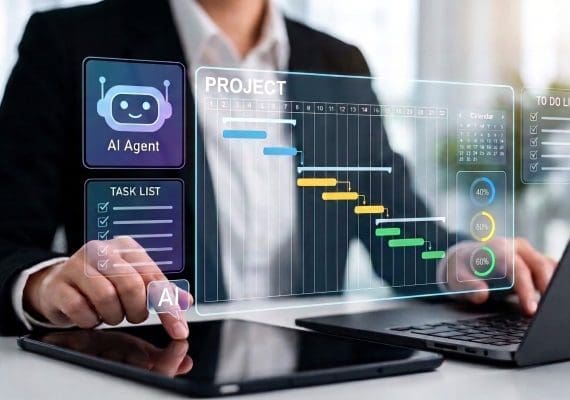
Agentic Workflows in GT-SUITE: Automating Turbocharger Selection

Read More
Transparent electric vehicle with thermal management system simulation. CAE analysis reveals EV battery pack cooling strategy. Ensure optimal temperature for efficiency, longevity. Tech illustration. Blog

Accelerating Two-Phase System Simulation with Machine Learning Metamodels

Read More
Autonomous electric car and wireframe rendering of the car body on black background. Digital Twin concept.  3D rendering image. Blog

Part 1 – From Physics to Machine Learning: Building a System-Level, ML-Based BEV Digital Twin

Read More
AdobeStock_2093632857-570×400 Blog

Debugging Large GT-SUITE Models with GT Intelligence Studio

Read More
AdobeStock_2035992038-570×400 Blog

Inside the AI Factory, Part 1: Simulating High-Fidelity Electrical Dynamics

Read More
AdobeStock_1966106364-570×400 Blog

Scaling Data Center Cooling Expertise with Agentic AI

Read More
AdobeStock_2081541305_01-570×400 Blog

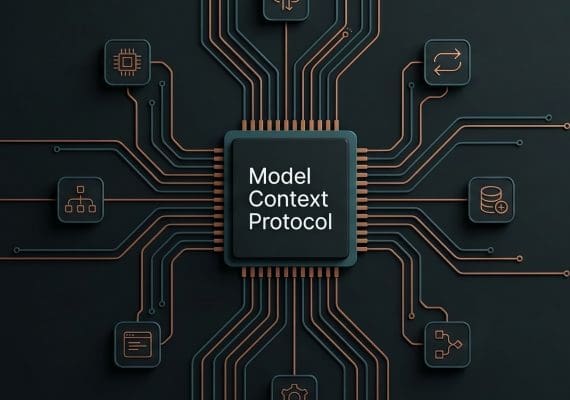
Connecting Agentic Workflows: GT-SUITE’s MCP Integration

Read More
AdobeStock_2095685077-scaled-1-570×400 Blog

Automating Engineering Workflows with AI.modeler Skills

Read More
Electric Car EV charging station people charging in car port Blog

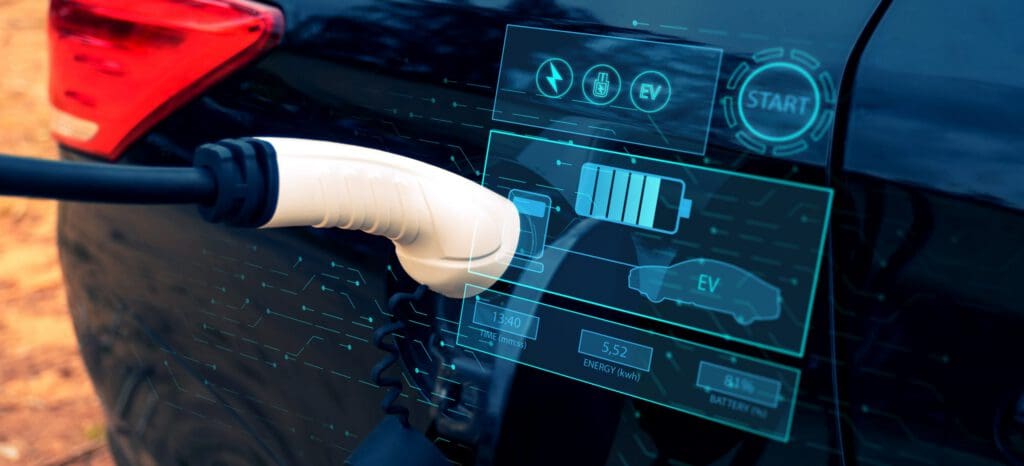
Lithium Plating Detection: How Virtual Sensors Enable Smarter Fast Charging

Fast Charging Pushes Li-ion Batteries Toward a Hidden Risk Fast charging has become a defining requirement for modern electric vehicles and battery-powered systems. Users expect shorter charging times, consistent performance, and reliable operation under all conditions. For simulation, battery control, and engineering teams, this shift raises a shared challenge: predicting and managing internal battery risk […]

Read More
GT IS BLOG|Mild hybrid system model in GT-SUITE|||New pickup trucks on assembly line Blog

When Agents Build the Model: Accelerating Digital Twins with GT Intelligence Studio

Why Building a Digital Twin Model Still Takes Too Long Our three-part series on physics-based digital twins followed a solar-charged, battery-powered Internet of Things (IoT) monitoring device. We covered the availability and battery-health questions that matter for operating it, how GT-SUITE and GT-AutoLion capture its physics and aging behavior, and how the model runs in […]

Read More
New pickup trucks on assembly line Blog

Hybrid Powertrain Simulation for a Pickup Truck: How FEV Optimized Five Architectures with GT-SUITE

Most hybrid powertrain programmes commit to an architecture too early. A configuration that looks promising on paper can fall apart once you account for towing loads, payload constraints, and real-world drive cycles simultaneously. By that point, hardware has been ordered and timelines are fixed. FEV North America took a different approach. Working with a 4WD […]

Read More
electric system of eco car engine Automotive part concept|Futuristic tanker transporting oil or liquefied gas on the high seas Blog

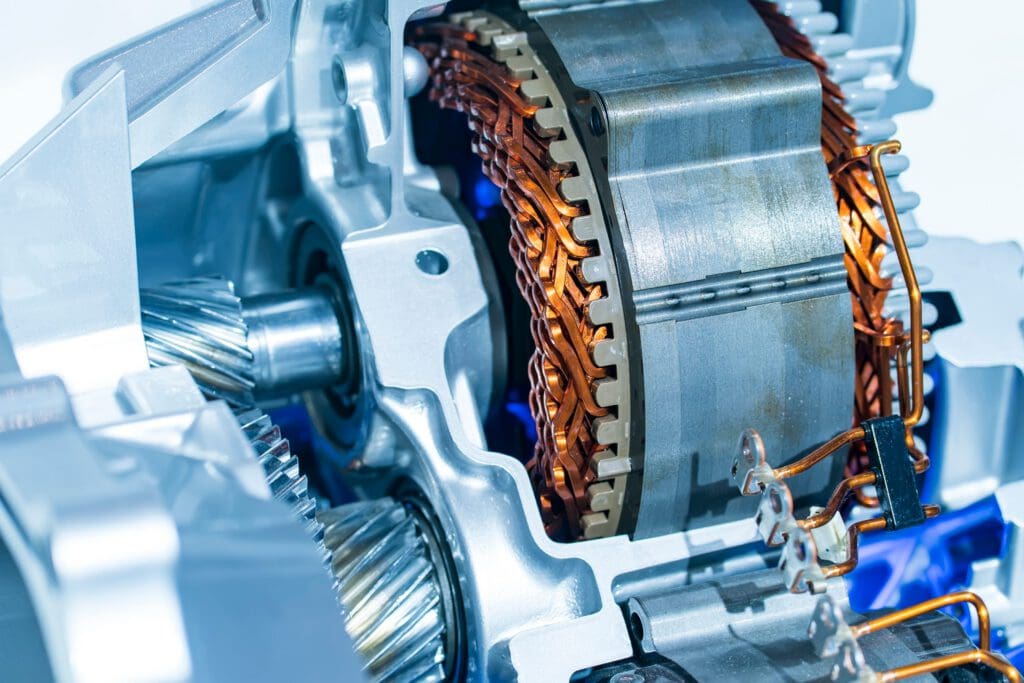
Machine Learning-Based E-Motor Thermal Metamodeling: Replacing FE Models for Fast System-Level EV Simulation

The Challenge with E-Motor Thermal Simulation Thermal simulation of electric motors sits at the intersection of two competing demands: the need for spatial accuracy at the component level, and the speed required for system-level scenario exploration. High‑fidelity 3D Finite Element (FE) thermal models of electric machines are essential for predicting hotspot temperatures, validating cooling strategies, […]

Read More
Futuristic tanker transporting oil or liquefied gas on the high seas Blog

Marine System Simulation for LNG Carriers: Improving Fuel Efficiency and Reducing Emissions

The maritime industry is navigating one of the most significant transitions in its history. As global trade continues to grow, vessel operators face increasing pressure to reduce fuel consumption, lower greenhouse gas emissions, and comply with evolving environmental regulations. The International Maritime Organization (IMO) has established ambitious decarbonization targets, pushing ship owners and operators to […]

Read More
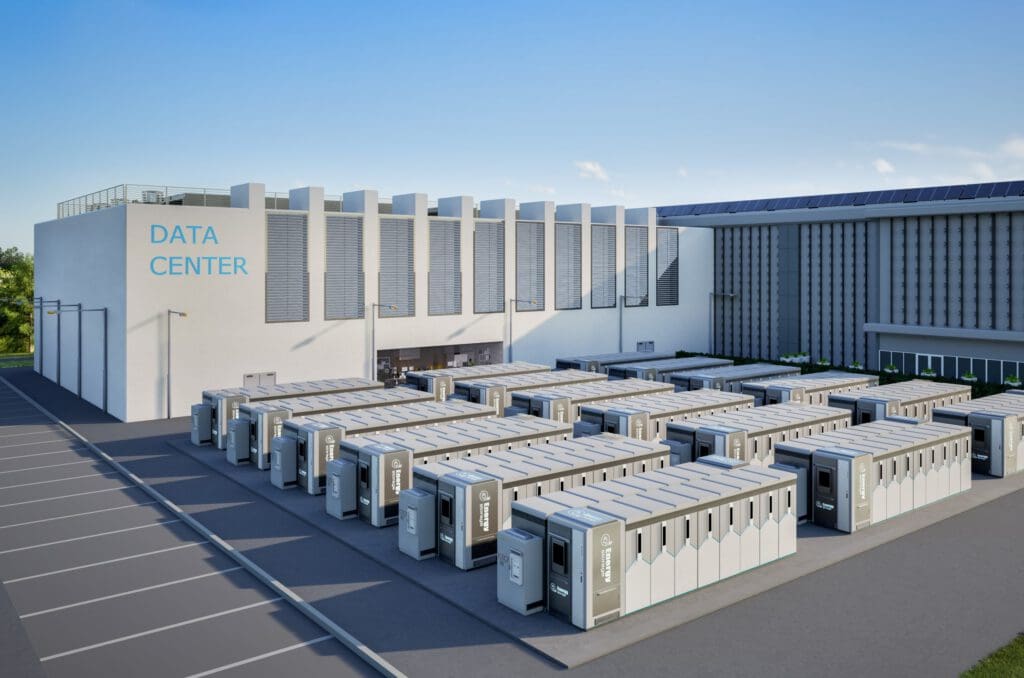
Energy storage systems or battery container units for data center|GT-SUITE and FLIGHTLAB for Mission-Level Aircraft Simulation|Blue Hydrogen filled H2 Aeroplane flying in the sky - future H2 energy concept.|GT-SUITRE and Flight Lab for Mission-Level Aircraft Simulation|Powertrain Model for eVTOL|Blue Hydrogen filled H2 Aeroplane flying in the sky - future H2 energy concept.|Fuel Cell Aircraft System Model|Digital Twin Results in Live Analysis Dashboard||GT-Cloud for Digital Twin Execution|Daily SOH estimation for device leveraging GT-Play|GT-Autilion Digital Twin Models hosted on GT-Play|Digital Twin Cloud Setup|An innovative smart sensor box mounted on a sleek metal pole in a modern urban park Blog

From the Road to the Rack: Using Physics-Based Simulation to Integrate Second-Life Batteries into Data Centers

Today’s data center industry is facing a massive power crunch. Driven by the explosive growth of AI workloads and a strained electrical grid, the industry is desperate for solutions that can provide firm power solutions and resilience. Second-life (2nd life) batteries, repurposed modules from retired EVs, are a tempting solution to fill this gap at […]

Read More
Blue Hydrogen filled H2 Aeroplane flying in the sky - future H2 energy concept.||Battery pack temperature at 60°C charging|Li-plating potential at 60°C|Li-plating potential output at 25°C|Li-plating potential output at -10°C|||Figure 5: SEI and Li-plating formation|Monitor signals for relevant battery pack states|Constant-current charging strategy example|Problems (left column) and solutions (right column) for BMS design|Operational window of a lithium-ion battery|Challenges Addressed||||||GT-SUITE & GT-Autolion model for engineering Blog

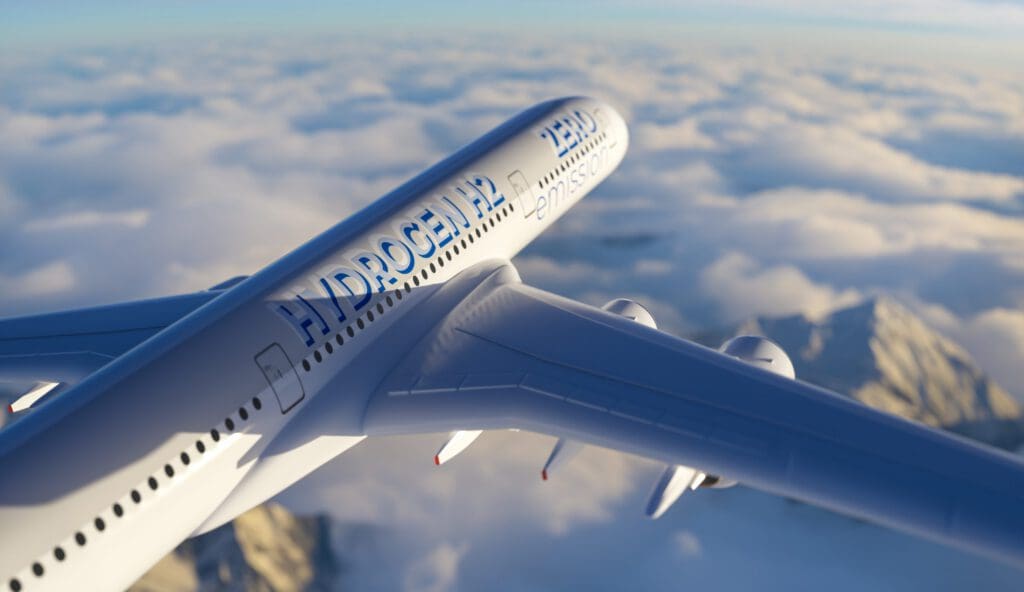
Modeling Hydrogen Fuel Cell Propulsion Systems for Aviation with GT-SUITE

The aviation industry is entering a period of rapid transformation as manufacturers explore new propulsion technologies to meet increasingly ambitious emissions targets. While improvements in conventional engines and sustainable aviation fuels remain important pathways, hydrogen-powered propulsion is emerging as a potential long-term solution for cleaner flights. Among the hydrogen pathways being explored, fuel cell–based propulsion […]

Read More
||Digital Twin Results in Live Analysis Dashboard|GT-Cloud for Digital Twin Execution|Daily SOH estimation for device leveraging GT-Play|GT-Autilion Digital Twin Models hosted on GT-Play|Digital Twin Cloud Setup|An innovative smart sensor box mounted on a sleek metal pole in a modern urban park Blog

Virtual Validation of Lithium-Ion Battery Management Systems

Battery Management Systems (BMSs) play a critical role in ensuring lithium-ion battery packs operate safely, efficiently, and reliably across all operating conditions. As battery systems become more complex and application demands continue to increase, validating BMS algorithms has become significantly more challenging. Building on the previous blog’s overview of BMS architecture for lithium-ion batteries (LIBs), […]

Read More
||||||GT-SUITE & GT-Autolion model for engineering Blog

Part 3 — Integrating Physics‑Based Digital Twins into an IoT and Cloud Environments

Part 1 introduced the operational challenges associated with battery-powered IoT monitoring devices. Part 2 described how GT‑SUITE and GT‑AutoLion models capture the system physics and battery aging mechanisms. This final part explains how these models integrate into an IoT and cloud architecture, allowing each digital twin to operate as an automated, scalable component of the […]

Read More
|An innovative smart sensor box mounted on a sleek metal pole in a modern urban park Blog

Part 2 — Modeling Physical Digital Twins: Battery Behavior and Aging with GT‑SUITE and GT‑AutoLion

In Part 1, we explored why solar-charged, battery-powered IoT monitoring devices require reliable prediction of availability, SOH, and RUL, and why telemetry, statistical methods, or machine learning alone are not sufficient. In this second part, we focus on the modeling foundation: how GT‑SUITE and GT‑AutoLion provide the physics‑based structure that allows each digital twin to […]

Read More
An innovative smart sensor box mounted on a sleek metal pole in a modern urban park Blog

Part 1 — Exploring the Power of Physics-Based Digital Twins

From asset monitoring stations in remote locations to industrial sensors tracking equipment health, many modern systems rely on small, self-powered IoT devices operating far from human reach. These devices are typically equipped with a solar panel, a battery, and a communication module. Their job is simple: collect data, stay powered, and reliably transmit information to […]

Read More
||Illustration of modularity|Geometry conversion of original CAD|furnace Blog

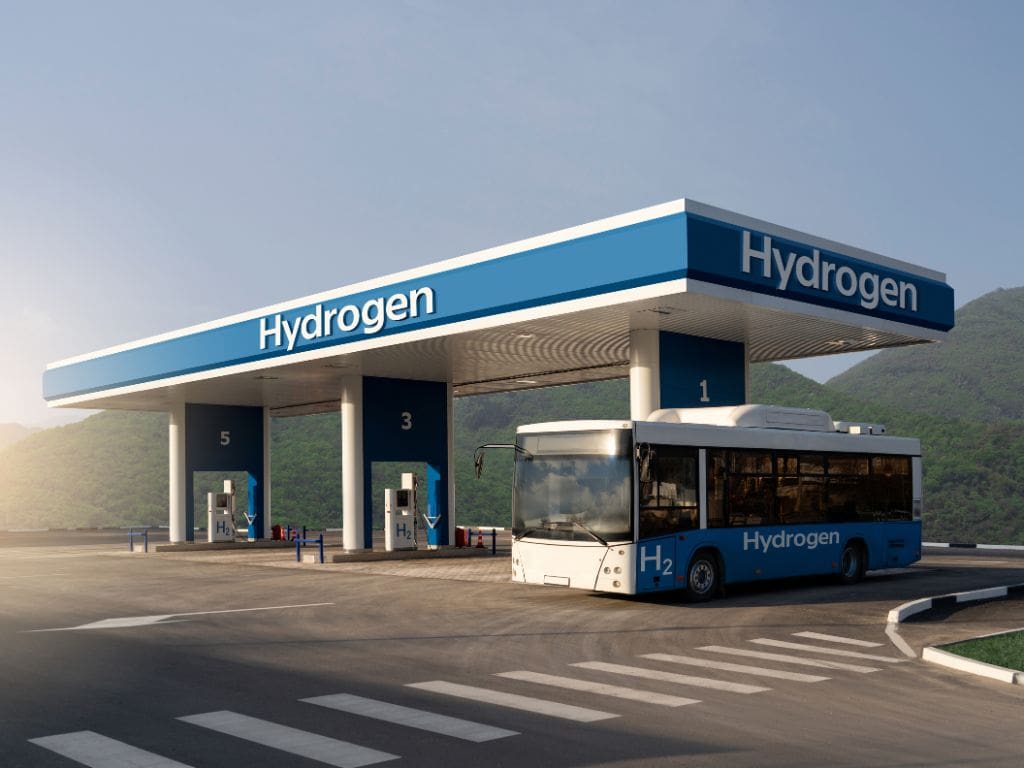
Model Predictive Control with NARX Metamodels: Smarter Torque Requests for Fuel Cell Vehicles

As electrification expands across commercial fleets, engineers are rethinking power management to deliver efficiency, drivability, and robustness under real‑world conditions. By anticipating what the vehicle will need moments ahead, Model Predictive Control (MPC) reduces energy waste, smooths transients, and keeps the power source operating in its most efficient window. MPC paired with a dynamic, data-driven […]

Read More
furnace Blog

Modeling the Google Deschutes CDU in GT-SUITE: A Blueprint for Liquid Cooling Success

A Difficult Balance for Data Centers As data centers push toward higher rack power densities and rapidly scaling AI workloads, liquid cooling has become essential for managing extreme thermal loads efficiently. Designing these next generation cooling systems is challenging – engineers must balance reliability, energy use, water consumption, and safety, all while navigating tight deployment […]

Read More
Server room with cloud on ceiling modern technology data center concept|Futuristic wireless Smart BMS powered by AI Blog

Transforming Data Center Cooling: From Physics-Based Simulation to AI-Powered Control

Data centers face an unprecedented thermal challenge that demands revolutionary approaches to cooling system design and control. As computational demands surge with AI workloads and high-performance computing applications, heat generation has increased dramatically with some next-generation systems producing heat fluxes many times higher than traditional data centers. This exponential growth in thermal loads is pushing […]

Read More
Futuristic wireless Smart BMS powered by AI Blog

BMS Architecture Explained: How a BMS Protects, Balances & Optimizes Batteries

In the previous blog, we discussed how the underlying architecture of a battery management system (BMS) is very similar to our central nervous system. The BMS relies on sensors (sensory organs) to make real-time decisions to ensure safety and optimize performance of the battery pack. From a simulation perspective, this architecture provides the foundation for […]

Read More
Machine Deep learning algorithms Blog

Combining Physics and Machine Learning to Predict Battery Aging with Confidence

Battery technology is evolving rapidly to meet the growing demands of electric vehicles, large-scale energy storage systems, and portable electronics. A major challenge lies in reliably predicting long-term battery performance within practical development timelines. Because batteries degrade gradually during both use and storage, conventional testing methods take a long time to produce accurate lifetime estimates. […]

Read More
Engineering Insights Blog|BMS|BMS|Tilt-Rotor Animation|Operational Window|VTOL|Simulation Result Summary Table|Flight Mission Profile|Simulation Results|Series Hybrid Tilt-Rotor Model Example in GT-SUITE|Comparison of steady and transient model response|IceFraction Animation|fuel cell bus|Schematic of water recirculation|System Workflow of a Series Hybrid Tilt-Rotor in GT-SUITE_01||Ice fraction near cathode catalyst layer||Routes Selected for System Level Simulation|2D flowfield in CAD Blog

A Year of Engineering Insights: Our Top 7 Blogs You Shouldn’t Miss

From smarter thermal systems and next-generation batteries to digital twins, fuel cells, and advanced air mobility, we explored how engineering simulation is reshaping engineering decisions across industries. If you’re working at the intersection of innovation, performance, and efficiency, these seven blogs capture the most impactful ideas we shared in 2025, each addressing real-world engineering challenges […]

Read More
Virtual Calibration|BMS|BMS|Operational Window|Tilt-Rotor Animation|VTOL|Simulation Result Summary Table|Flight Mission Profile|Simulation Results|Series Hybrid Tilt-Rotor Model Example in GT-SUITE|IceFraction Animation|System Workflow of a Series Hybrid Tilt-Rotor in GT-SUITE_01|Comparison of steady and transient model response||fuel cell bus|Schematic of water recirculation|Ice fraction near cathode catalyst layer||Routes Selected for System Level Simulation|2D flowfield in CAD Blog

Introduction to Virtual Calibration: A Smarter Approach to Powertrain Development

The Limitations of Conventional Calibration and Testing Testing and calibrating powertrains is crucial for product development yet traditionally requires years of work and millions in investment. Over time, requirements have expanded considerably to address regulatory compliance (OBD/emissions), customer expectations (efficiency), and manufacturer standards (reliability). Meeting these demands involves extensive physical testing through in-house facilities, on-road […]

Read More
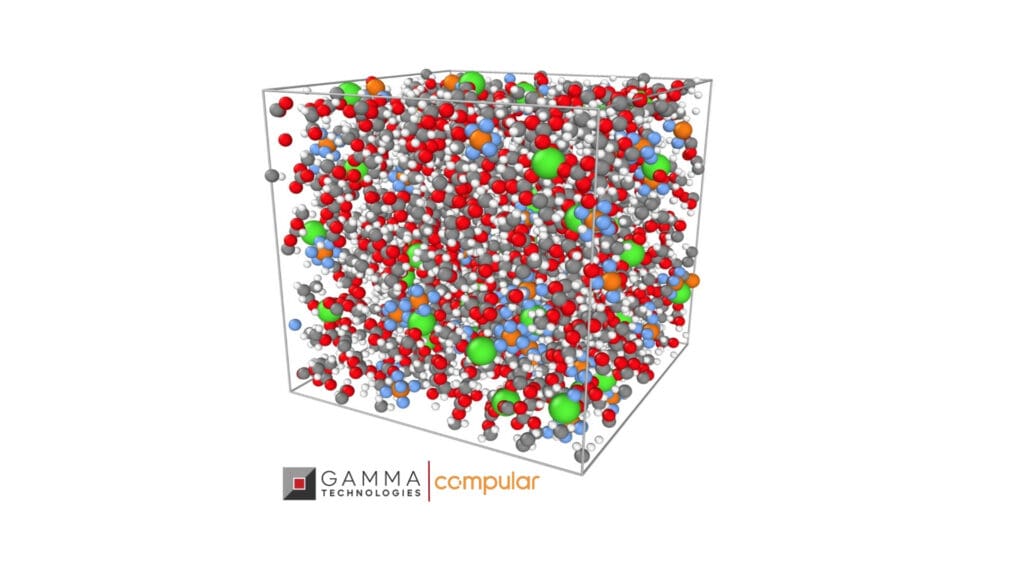
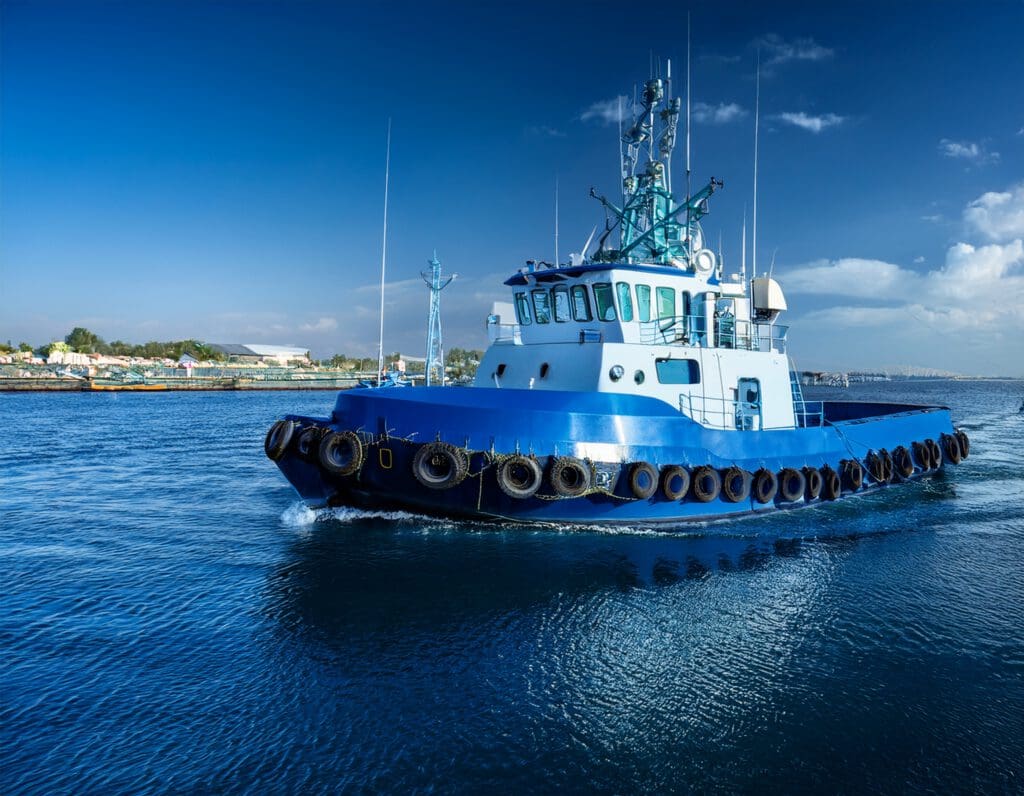
BMS|System-level simulation of engine architecture in GT-SUITE|Performance calibration of a 2 Ah solid-state pouch cell at 303 K and 1C rate|Cutaway view of a Solid-State Battery module on black background. Next Generation Electric Vehicle Battery concept. Generic design. Isometric view. 3D rendering illustration.|Key differences between conventional LIB and SSB|Schematic view of conventional lithium-ion vs. solid-state batteries||||Experimental validation of GT-AutoLion Na-ion battery model at different C-rates||Schematic view of Na-ion battery|Voltage vs. capacity for power-dense and energy-dense Li-Ion cells at different temperatures and C-rates|Multi-scale Modeling with Compular Labs and Gamma Technologies|Transport properties as a function of salt concentration|P2D model used in the GT-AutoLion tool|Schematic representation of the MD simulations|Molecular Dynamic Simulation|Digital Twin Simulation||Virtual Model using Digital Twin|Fault Detection on OBD_02|Engineers interacting with a virtual digital twin model on a tablet||Data driven ML model|Data cleaning|Real time integration|||Virtual model building|Digital Twin Orchestration Workflow|Digital Twin Image|Data collection||Cabin Comfort Model in GT-TAITherm|||||||Table: Results of preliminary study on battery sizing for the tugboat application. Daily fuel consumption as a function of battery configuration.||Figure 8. Simulation results of a single mission comparing two different battery designs. The Toshiba 20 Ah SCiBTM cells are arranged in 250S/170P (light grey) and 250S/142P (black).||||Toshiba GT-SUITE blog||Toshiba GT-AutoLion blog||RDE AUTOMATION GIF|Unwrapped view of the RDE Blog

What is a Battery Management System (BMS)? The Brain Behind Lithium-Ion Batteries

The Human Analogy: How BMS Brings Batteries to Life Imagine walking into your favorite bakery. Your eyes scan the variety of treats in the glassed casing. Your ears pick up the humming and whirring of the ovens. Your skin senses the warmth in the room. Your nose picks up the smells of freshly baked bread […]

Read More
Aerial view of a large data center powered by solar power.|Tilt-Rotor Animation|VTOL|Simulation Result Summary Table|Simulation Results|Flight Mission Profile|Series Hybrid Tilt-Rotor Model Example in GT-SUITE|System Workflow of a Series Hybrid Tilt-Rotor in GT-SUITE_01|fuel cell bus|IceFraction Animation||Schematic of water recirculation|Ice fraction near cathode catalyst layer|Comparison of steady and transient model response|2D flowfield in CAD Blog

What Powers a Data Center? Understanding the Power Systems

In January 2023, a major Microsoft outage disrupted millions of users worldwide. People could not access Teams, Outlook, or other cloud services for hours. This event showed how quickly a small power interruption can ripple across the globe. Imagine if a cloud provider faces even a few minutes of downtime. Banking systems, hospitals, and AI-driven […]

Read More
VTOL|Cutaway view of a Solid-State Battery module on black background. Next Generation Electric Vehicle Battery concept. Generic design. Isometric view. 3D rendering illustration.|Performance calibration of a 2 Ah solid-state pouch cell at 303 K and 1C rate|Key differences between conventional LIB and SSB|Schematic view of conventional lithium-ion vs. solid-state batteries||||Experimental validation of GT-AutoLion Na-ion battery model at different C-rates||Schematic view of Na-ion battery|Voltage vs. capacity for power-dense and energy-dense Li-Ion cells at different temperatures and C-rates|Multi-scale Modeling with Compular Labs and Gamma Technologies|Transport properties as a function of salt concentration|Schematic representation of the MD simulations|P2D model used in the GT-AutoLion tool|Molecular Dynamic Simulation|Digital Twin Simulation|Virtual Model using Digital Twin||Fault Detection on OBD_02|Engineers interacting with a virtual digital twin model on a tablet|Data cleaning||Data driven ML model|Real time integration|||Virtual model building|Digital Twin Image|Data collection||Cabin Comfort Model in GT-TAITherm|Digital Twin Orchestration Workflow|||||||Table: Results of preliminary study on battery sizing for the tugboat application. Daily fuel consumption as a function of battery configuration.||Figure 8. Simulation results of a single mission comparing two different battery designs. The Toshiba 20 Ah SCiBTM cells are arranged in 250S/170P (light grey) and 250S/142P (black).|||||Toshiba GT-SUITE blog|Toshiba GT-AutoLion blog||RDE AUTOMATION GIF|Unwrapped view of the RDE Blog

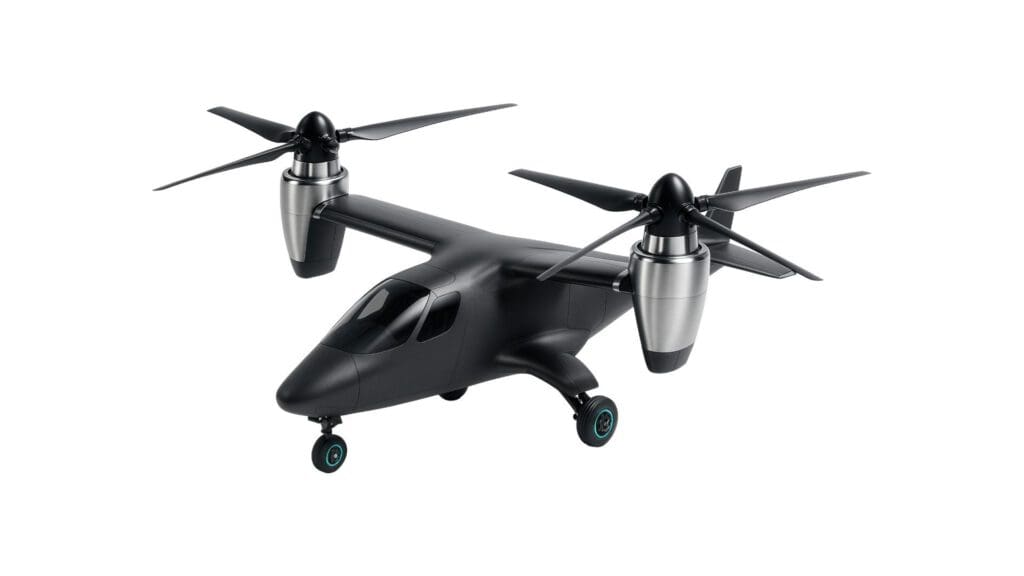
Simulating Series Hybrid Tilt-Rotor Aircraft in GT-SUITE

The rise in demand for electric and hybrid-electric aircraft, particularly in the Urban Air Mobility (UAM) sector, has fueled innovation in aircraft powertrain design. One promising configuration is the series hybrid tilt-rotor system, which combines the power and efficiency of hybrid-electric propulsion with the versatile flight dynamics of tilt-rotor technology. In this blog, we’ll dive […]

Read More
Data center servers illuminate blue floor Blog

Data Center Solutions: A Strategic Imperative for Competitive Advantage

In an era defined by rapid advances in AI, machine learning, and large-scale GPU-driven workloads, data centers are no longer passive utilities—they are strategic assets. Data center optimization is core to achieving sustainable competitive advantage, operational excellence, and environmental stewardship. 1. Market Forces Reshaping the Industry The data center sector is currently undergoing a major […]

Read More
Cutaway view of a Solid-State Battery module on black background. Next Generation Electric Vehicle Battery concept. Generic design. Isometric view. 3D rendering illustration.|fuel cell bus|IceFraction Animation|Schematic of water recirculation|Ice fraction near cathode catalyst layer|Comparison of steady and transient model response|2D flowfield in CAD Blog

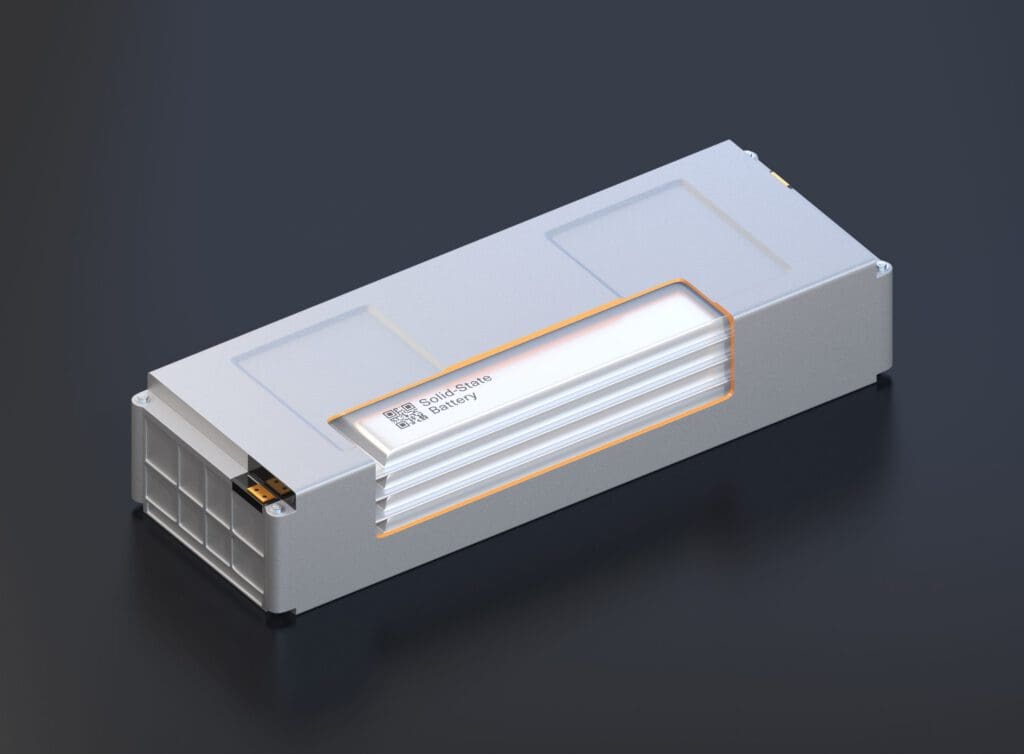
Solid-State Batteries: Why Virtual Modeling and Simulation are the Only Way Forward

Solid-State vs Lithium-Ion Batteries | What’s Driving the Shift The push for safer, longer-lasting, and higher-energy batteries is accelerating change across the energy storage industry. Solid-state batteries (SSB) are gaining attention as a promising solution to meet these growing demands. Unlike conventional lithium-ion batteries (LIB), which use flammable liquid electrolytes, SSB relies on solid materials, […]

Read More
fuel cell bus|||||Experimental validation of GT-AutoLion Na-ion battery model at different C-rates|Schematic view of Na-ion battery|Voltage vs. capacity for power-dense and energy-dense Li-Ion cells at different temperatures and C-rates|Multi-scale Modeling with Compular Labs and Gamma Technologies|Transport properties as a function of salt concentration|Schematic representation of the MD simulations|P2D model used in the GT-AutoLion tool|Molecular Dynamic Simulation|Digital Twin Simulation|Virtual Model using Digital Twin||Fault Detection on OBD_02||Data driven ML model|Engineers interacting with a virtual digital twin model on a tablet|Virtual model building|Data cleaning|Real time integration|||Digital Twin Image|Data collection|Cabin Comfort Model in GT-TAITherm|Digital Twin Orchestration Workflow|||||||||Figure 8. Simulation results of a single mission comparing two different battery designs. The Toshiba 20 Ah SCiBTM cells are arranged in 250S/170P (light grey) and 250S/142P (black).|||Table: Results of preliminary study on battery sizing for the tugboat application. Daily fuel consumption as a function of battery configuration.|||Toshiba GT-SUITE blog|Toshiba GT-AutoLion blog|||RDE AUTOMATION GIF|Unwrapped view of the RDE Blog

Perfecting PEM Fuel Cell Water Management Strategies with GT-SUITE

The Rise of PEM Fuel Cell Technology in Mobility The origin of fuel cells dates back to the 19th century, but interest in the technology has surged over the past decade, especially within the mobility industry. This can be attributed to their ability to generate power without harmful emissions, similar to batteries, while also maintaining […]

Read More
||Routes Selected for System Level Simulation|1-D Simulation Model Built in GT-SUITE|Schematic diagram of hydrogen fuel cell. Electrochemical cell. Vector illustration isolated on white background.|Modern rail freight powered by hydrogen fuel cells Blog

Everything You Wanted to Know About Sodium-Ion Batteries

From Lithium-Ion to Sodium-Ion Batteries: A New Era in Battery Technology As the demand for energy storage continues to rise, sodium-ion batteries (NIBs) are gaining momentum as a compelling alternative to lithium-ion batteries (LIBs). Leveraging more abundant and cost-effective materials, NIBs are especially well-suited for low-speed electric vehicles—where range is less critical and affordability is […]

Read More
|Multi-scale Modeling with Compular Labs and Gamma Technologies|Voltage vs. capacity for power-dense and energy-dense Li-Ion cells at different temperatures and C-rates|Transport properties as a function of salt concentration|Schematic representation of the MD simulations|P2D model used in the GT-AutoLion tool|Molecular Dynamic Simulation|Digital Twin Simulation|Virtual Model using Digital Twin|Fault Detection on OBD_02|||Data driven ML model|Engineers interacting with a virtual digital twin model on a tablet|Virtual model building|Data cleaning|Real time integration|Digital Twin Image|Data collection|Cabin Comfort Model in GT-TAITherm|Digital Twin Orchestration Workflow|||||||||||Figure 8. Simulation results of a single mission comparing two different battery designs. The Toshiba 20 Ah SCiBTM cells are arranged in 250S/170P (light grey) and 250S/142P (black).|||Table: Results of preliminary study on battery sizing for the tugboat application. Daily fuel consumption as a function of battery configuration.||Toshiba GT-SUITE blog||Toshiba GT-AutoLion blog|||RDE AUTOMATION GIF|RDE SIMULATION RESULTS|Unwrapped view of the RDE Blog

Fuel Cell System Modeling: Powering the Future of Hybrid Locomotives

Transitioning from Diesel to Hydrogen Locomotive Power: Modeling the Future of Rail Transport Can a fuel cell-powered locomotive haul freight as reliably as diesel while significantly reducing emissions?   As the transportation sector accelerates toward net-zero goals, hydrogen fuel cells are emerging as a clean alternative to conventional diesel locomotives. In fact, the hydrogen fuel […]

Read More
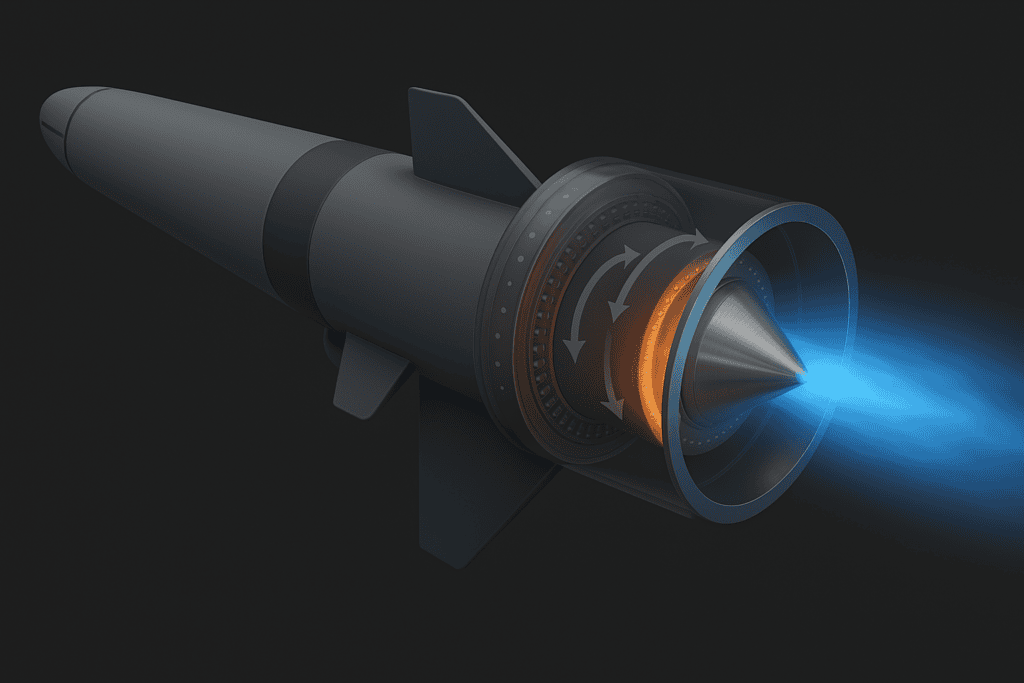
Multi-scale Modeling with Compular Labs and Gamma Technologies|RDE Diagram|Concept Image of a Rotating Detonation Engine|Concept Image of a Rotating Detonation Engine||Unwrapped view of the RDE Blog

How Multi-scale Models Are Enhancing Battery Performance and Design

Beyond Experimentation: Predicting Battery Performance with Multi-Scale Models In today’s electrified world, designing better batteries goes far beyond trial-and-error testing. Engineers and researchers are increasingly turning to simulation to accelerate innovation and reduce development costs. Lithium-ion batteries power modern energy storage systems, from electric vehicles to grid storage. As demand grows for higher performance, longer […]

Read More
Concept Image of a Rotating Detonation Engine|Digital Twin Simulation|Virtual Model using Digital Twin||Fault Detection on OBD_02||Engineers interacting with a virtual digital twin model on a tablet|Real time integration|Data driven ML model|Virtual model building|Data cleaning|Data collection|Cabin Comfort Model in GT-TAITherm|Digital Twin Orchestration Workflow|Digital Twin Image|||||||||||||Table: Results of preliminary study on battery sizing for the tugboat application. Daily fuel consumption as a function of battery configuration.||Figure 8. Simulation results of a single mission comparing two different battery designs. The Toshiba 20 Ah SCiBTM cells are arranged in 250S/170P (light grey) and 250S/142P (black).||Toshiba GT-SUITE blog|Toshiba GT-AutoLion blog|||RDE AUTOMATION GIF|Unwrapped view of the RDE Blog

Simulating the “Impossible”? Automation Meets Rotating Detonation Engines

Enabling Rotating Detonation Engine (RDE) Innovation Through Simulation and Automation The Rotating Detonation Engine (RDE) stands out as a leading technology that can advance performance and efficiency for future propulsion systems. Simulation software plays a critical role in accelerating development and tackling complex design challenges while engineers and researchers strive to unlock the full capabilities […]

Read More
Digital Twin Simulation|Toshiba GT-AutoLion blog||Toshiba GT-SUITE blog|Table: Results of preliminary study on battery sizing for the tugboat application. Daily fuel consumption as a function of battery configuration.||Figure 8. Simulation results of a single mission comparing two different battery designs. The Toshiba 20 Ah SCiBTM cells are arranged in 250S/170P (light grey) and 250S/142P (black).|||||||||||||Digital Twin Image|Digital Twin Orchestration Workflow|Cabin Comfort Model in GT-TAITherm|Data collection|Data cleaning|Virtual model building|Data driven ML model|Real time integration|Engineers interacting with a virtual digital twin model on a tablet||Fault Detection on OBD_02||Virtual Model using Digital Twin Blog

Digital Twin Simulation: Engineering Smarter, Faster, and More Reliable Products

Why Digital Twins are Necessary and Important Imagine being able to predict equipment failures before they happen, optimize system performance in real time, and reduce expensive physical testing. This is the power of digital twins. A digital twin is a virtual replica of a physical asset, enabling real-time monitoring, simulation, and optimization. With increasing system […]

Read More
Toshiba GT-AutoLion blog|eVTOL battery simulation||||||||||||Figure 8. Simulation results of a single mission comparing two different battery designs. The Toshiba 20 Ah SCiBTM cells are arranged in 250S/170P (light grey) and 250S/142P (black).||Table: Results of preliminary study on battery sizing for the tugboat application. Daily fuel consumption as a function of battery configuration.|Toshiba GT-SUITE blog| Blog

Using Toshiba’s Battery Electrochemical Models to Make System-level Decisions Faster

Eliminate the Guess Work in Battery Modeling Selections System-level design engineers have a difficult task. They deal with challenging questions such as: What Lithium-ion cells work best for a particular application; How many cells should be placed in series and parallel; or What type of motor and drive technology should be used? They have to […]

Read More
HVACR simulation machine learning|hvac machine learning simulation|EV thermal system model with physics-based solution and feedforward neural net|machine learning simulation in hvac industry Blog

Simulation for the HVACR Industry: How to Leverage Machine Learning

The HVACR Industry is Evolving As we step into 2025, major trends in systems simulation are emerging. The heating, ventilation, air conditioning, and refrigeration (HVACR) industry is seeing accelerated growth in the adoption of simulation throughout the design and development process. This industry is looking to further modernize, appeal to consumers, and demand energy-efficient, sustainable […]

Read More
making music with mutiphysics|eVTOL battery simulation||||||anc GT-SUITE simulation|ANC system simulation model Blog

Making Music with Multiphysics

The capabilities of simulation software appear to be endless (not really, but you know what I mean…) when it comes to modeling different systems and things that may not have been simulated before. This can be especially true when considering how model-based systems engineering (MBSE) has advanced in the past few decades from single-purpose tools […]

Read More
eVTOL battery simulation||||| Blog

How Simulation Accelerates the Development of eVTOL Aircraft for Taxi Services

Unlocking the Potential of eVTOL Aircraft for Taxi Services: Advancing On-Demand Transportation Safely and Efficiently The world is rapidly advancing towards an integrated and accessible on-demand transportation network. Electric Vertical Takeoff and Landing (eVTOL) vehicles have emerged as the ideal solution for the near future, offering faster and more efficient travel options. However, ensuring the […]

Read More
single cylinder and multi cylinder engine simulation|cabin model order reduction simulation workflow results|3D GT-TAITherm Cabin Model|HVAC system simulation GT-SUITE|cabin modelling simulation|3d cabin modelling simulation|cabin modelling simulation fidelities|vehicle cabin temperature simulation|temperature cabin simulation results|dynamic and static neural networks|dynamic machine learning simulation|battery call model simulation|neural network structure|predicted vs. target stored ammonia coverage and NO outlet mass flow rate|metamodel predictions of battery thermal performance simulation|neural network and a linear interpolating lookup map|doe simulation|Transient neural network predictions of voltage and state of charge (SOC)|neural network structure|machine learning simulation|||||machine learning neural networks simulation|Torsional and Transverse Vibration in an Accessory Drive|GT-SUITE accessory drive model|belt tension and global slip simulation|Main Effects Plots for Specified Attributes or Inputs Ranking|Variational Analysis for Specified Attributes|accessory drive machine learning simulation|single cylinder and multi cylinder engine simulation|||| Blog

Combining Measurements and Simulation to Streamline Combustion/Controls Development

How to use Simulation to Improve the Engine Development Process for Carbon Neutral Fuels The need for clean, renewable energy sources requires exploring carbon neutral fuels and their combustion behaviors. This is typically done using single-cylinder (SC) engines. The advantages of this process are to make quick hardware changes such as replacing the head or […]

Read More
cabin modelling simulation|accessory drive machine learning simulation|Variational Analysis for Specified Attributes|Main Effects Plots for Specified Attributes or Inputs Ranking|belt tension and global slip simulation|Torsional and Transverse Vibration in an Accessory Drive|GT-SUITE accessory drive model|||machine learning neural networks simulation|||neural network and a linear interpolating lookup map|doe simulation|Transient neural network predictions of voltage and state of charge (SOC)|neural network structure|machine learning simulation|metamodel predictions of battery thermal performance simulation|battery call model simulation|neural network structure|predicted vs. target stored ammonia coverage and NO outlet mass flow rate|dynamic and static neural networks|dynamic machine learning simulation|temperature cabin simulation results|vehicle cabin temperature simulation|cabin modelling simulation fidelities|3d cabin modelling simulation|HVAC system simulation GT-SUITE|3D GT-TAITherm Cabin Model|cabin model order reduction simulation workflow results|HVAC system simulation GT-SUITE|3d cabin modelling simulation|vehicle cabin temperature simulation|cabin model order reduction simulation workflow results Blog

How Vehicle Cabin Model Order Reduction Can Optimize Passenger Comfort and Range

Why Cabin Modelling? Efficient cabin modelling has become crucial for the new age battery electric vehicles (BEVs) as every bit of energy that can be conserved will help increase the range of a BEV. The goal of a design engineer is to achieve an optimal balance between passenger comfort and the energy consumption of the […]

Read More
accessory drive machine learning simulation|dynamic machine learning simulation|neural network structure|predicted vs. target stored ammonia coverage and NO outlet mass flow rate|dynamic and static neural networks|metamodel predictions of battery thermal performance simulation|battery call model simulation|Transient neural network predictions of voltage and state of charge (SOC)|neural network structure|machine learning simulation|||neural network and a linear interpolating lookup map|doe simulation|||machine learning neural networks simulation|GT-SUITE accessory drive model|Torsional and Transverse Vibration in an Accessory Drive|belt tension and global slip simulation|Main Effects Plots for Specified Attributes or Inputs Ranking|Variational Analysis for Specified Attributes|belt tension and global slip simulation Blog

Leveraging Machine Learning for Early Design Decisions on an Accessory Belt Drive Simulation

There are various challenges faced by an automotive engineer while designing a robust and optimized accessory drive system. Most original equipment manufacturers (OEMs) rely on different suppliers for their engine belt(s) and accessories (e.g. water pumps, alternators, A/C compressors, etc.). This leads to challenges in obtaining a comprehensive set of input data to incorporate in […]

Read More
dynamic machine learning simulation|machine learning neural networks simulation|||||neural network and a linear interpolating lookup map|doe simulation|machine learning simulation|neural network structure|Transient neural network predictions of voltage and state of charge (SOC)|battery call model simulation|metamodel predictions of battery thermal performance simulation|dynamic and static neural networks|predicted vs. target stored ammonia coverage and NO outlet mass flow rate|neural network structure Blog

Dynamic Machine Learning for Modeling and Simulation

Incorporating Dynamic Metamodeling Simulation To save computational time, engineers are persistently trying to speed up physical models, and some situations absolutely require faster simulation speeds. These situations might include more advanced co-simulation tasks, performing model-based optimization on a slower physical model, or the need to have a surrogate model for XiL (X-in-the-Loop) applications or to […]

Read More
|GT SUITE and SUMO traffic simulation|Co-simulation GT SUITE SUMO vs SUMO|co simulation GT-SUITE and SUMO EV example|co simulation GT-SUITE|simulate driving in traffic|NASA hydrogen rocket simulation||| Blog

Gamma Technologies and GT-SUITE: Pioneering the Future of Simulation

Unveiling the Power of GT-SUITE This year, Gamma Technologies celebrated a significant milestone: its 30th anniversary. Since its inception in 1994, Gamma Technologies has been at the forefront of engineering simulation, revolutionizing how industries approach design and innovation. At the heart of this transformation is GT-SUITE, the company’s flagship systems simulation software that has become […]

Read More

Training & Academic Programs

Structured learning and academic access to support engineering teams and research institutions

GT-University

Structured learning materials, tutorials, and training modules supporting GT-SUITE users and engineering teams through comprehensive educational content.

Explore GT-University

pattern-1

Academic Programs

Structured academic access to GT-SUITE for universities and research institutions supporting engineering education and graduate research programs.

View Academic Programs

pattern-2-bottom