







Post-Processing Built In, Not Bolted On
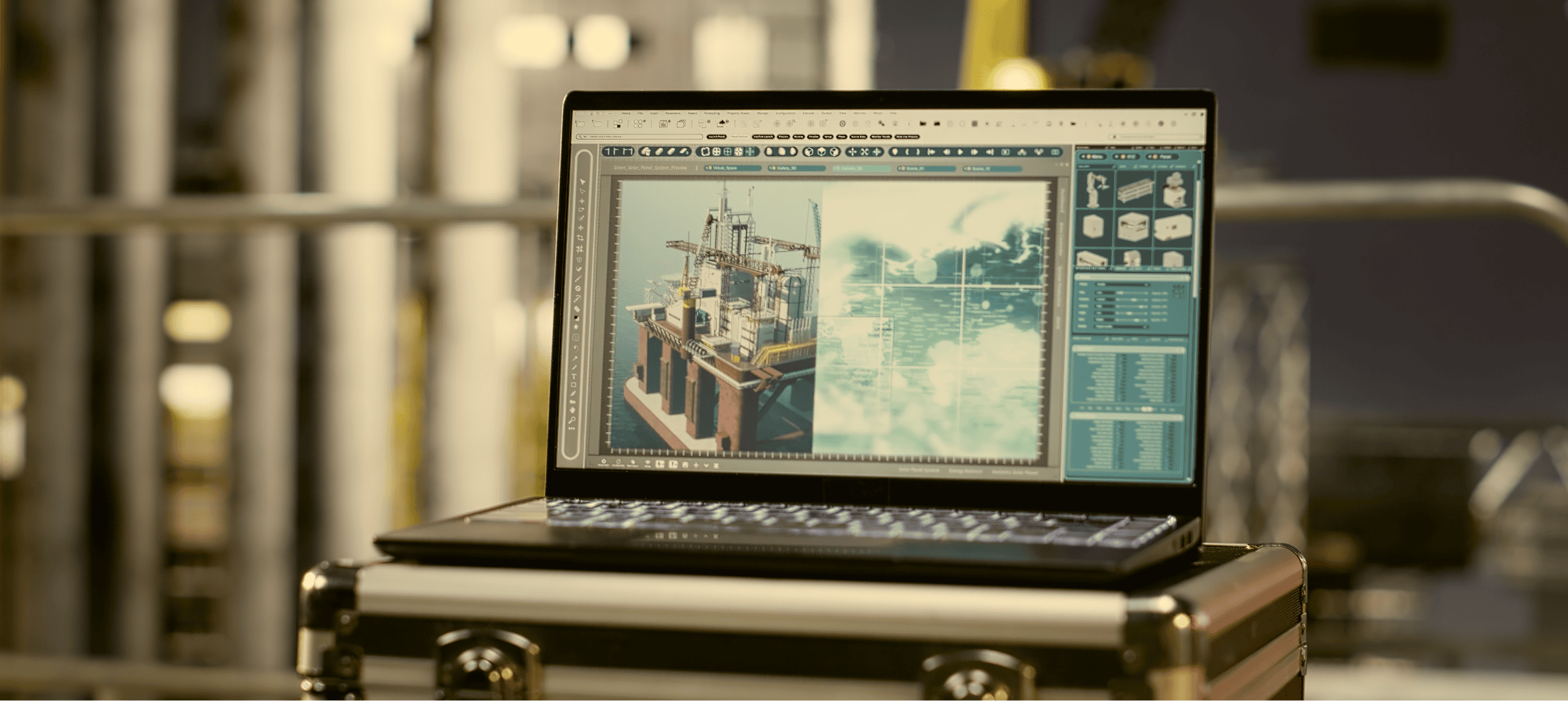
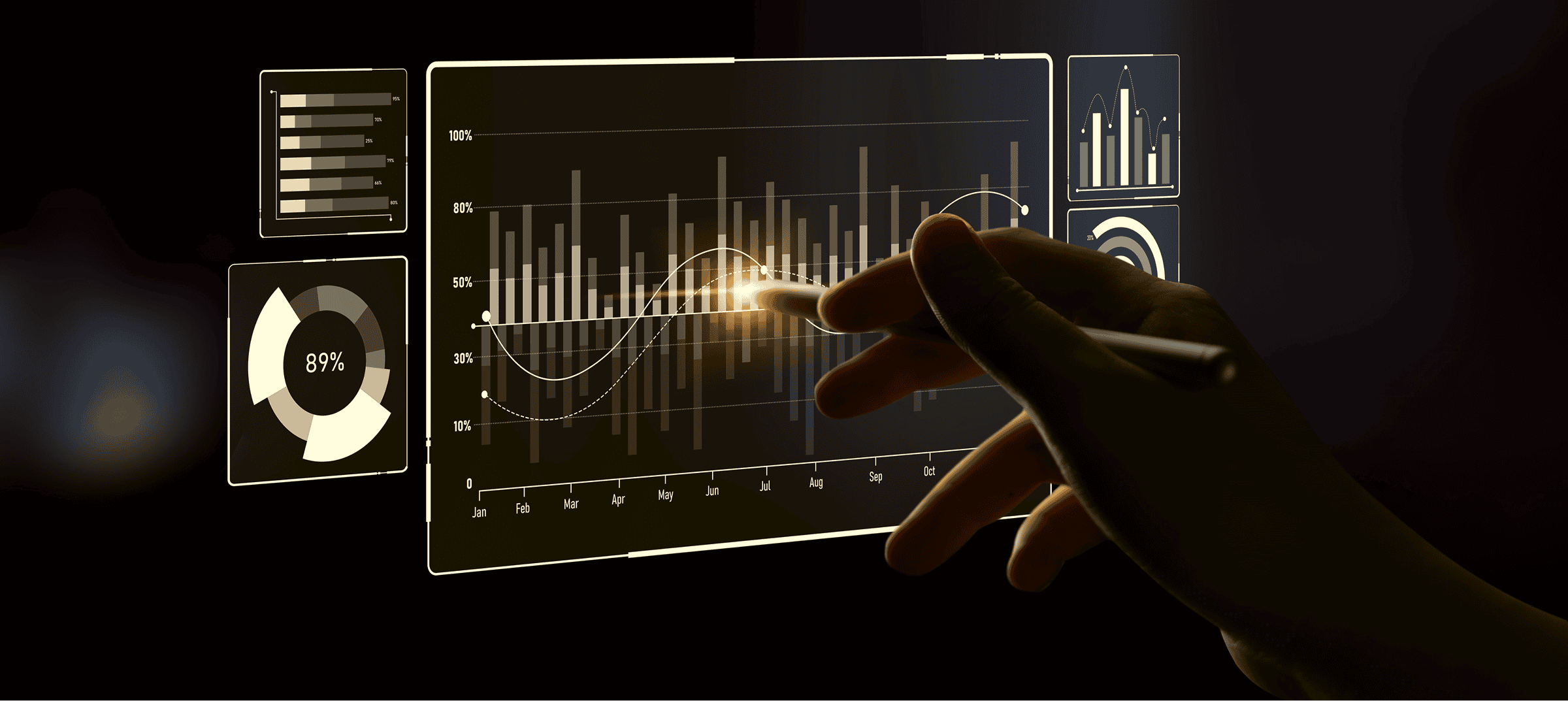
GT-POST is a dedicated post-processing environment for reviewing and comparing results, not a generic plotting add-on.
Industries
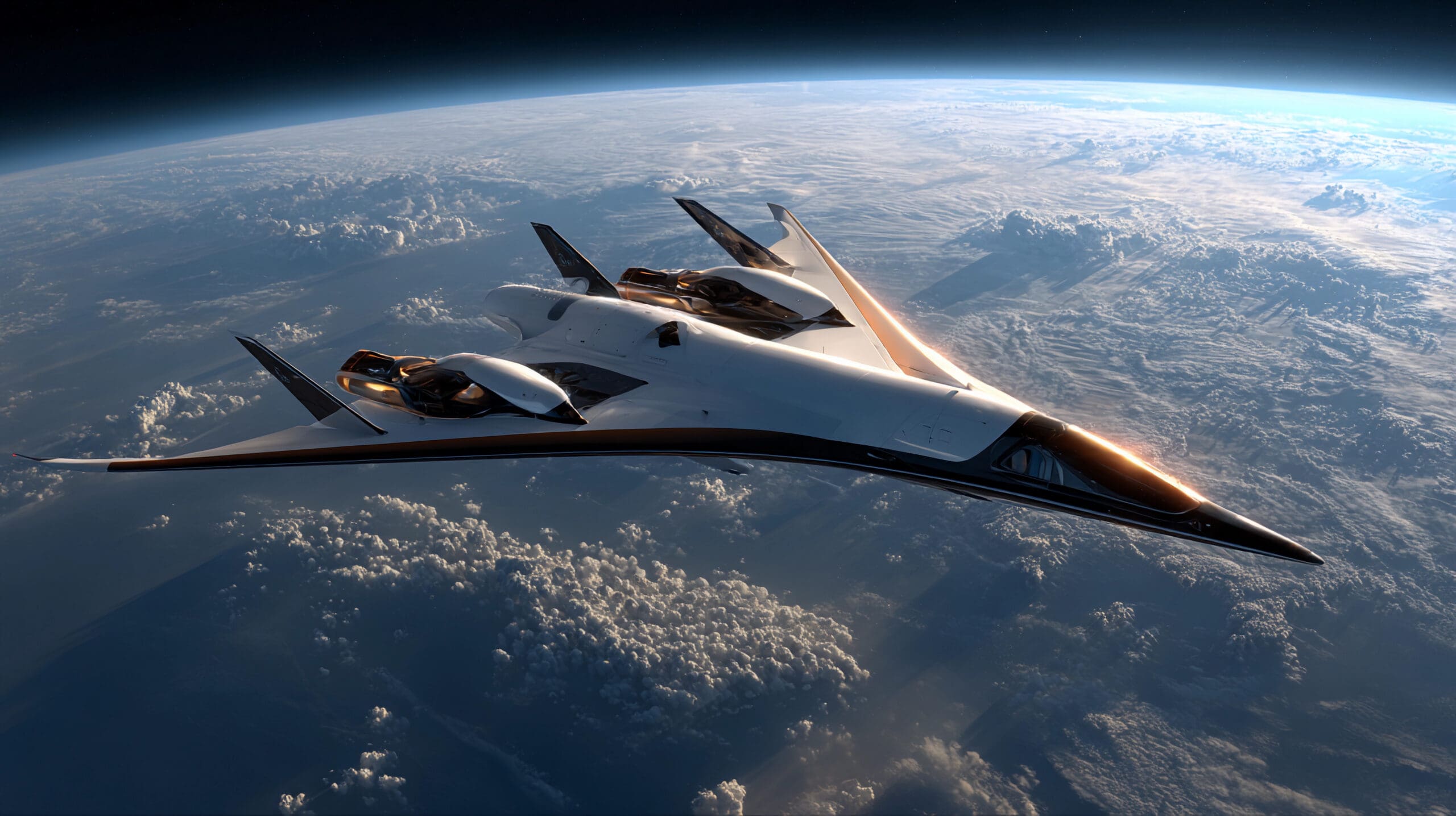
Supporting thermal, fluid, and propulsion system modeling for aircraft and spacecraft applications.
OVERVIEW
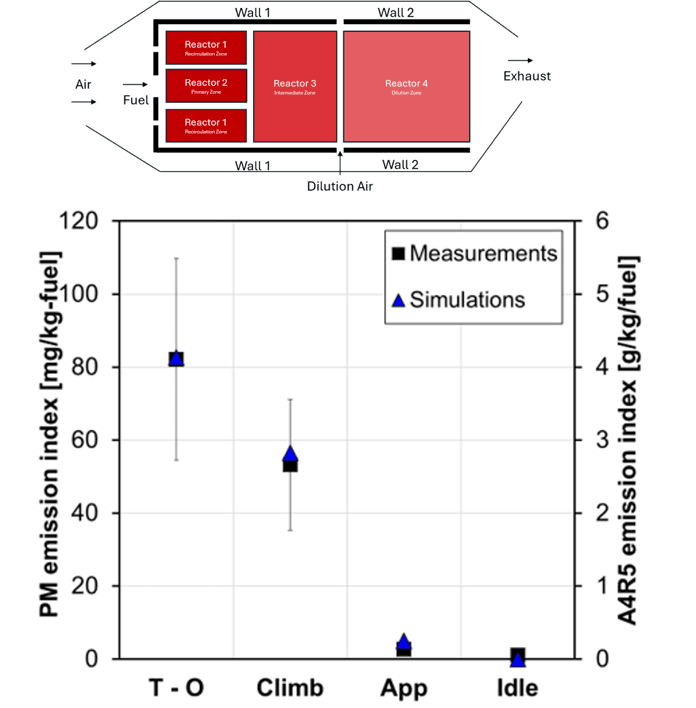
GT-SUITE is a 0D/1D/3D multi-physics system simulation platform, with validated, robust solvers to tackle fluid, thermal, mechanical, electrical, magnetic, chemistry, and controls multi-physics problems. This unified platform enables domains that don’t usually share a vendor: launch vehicles and spacecraft, electrified and hybrid aircraft including eVTOL, and conventional gas-turbine and piston-engine aircraft. Whether the question is tank boil-off on a cryogenic upper stage, thermal runaway risk in an eVTOL battery pack, or predicting emissions of sustainable fuels, it’s the same coupled-physics approach and the same environment.
SPACE & LAUNCH SYSTEMS
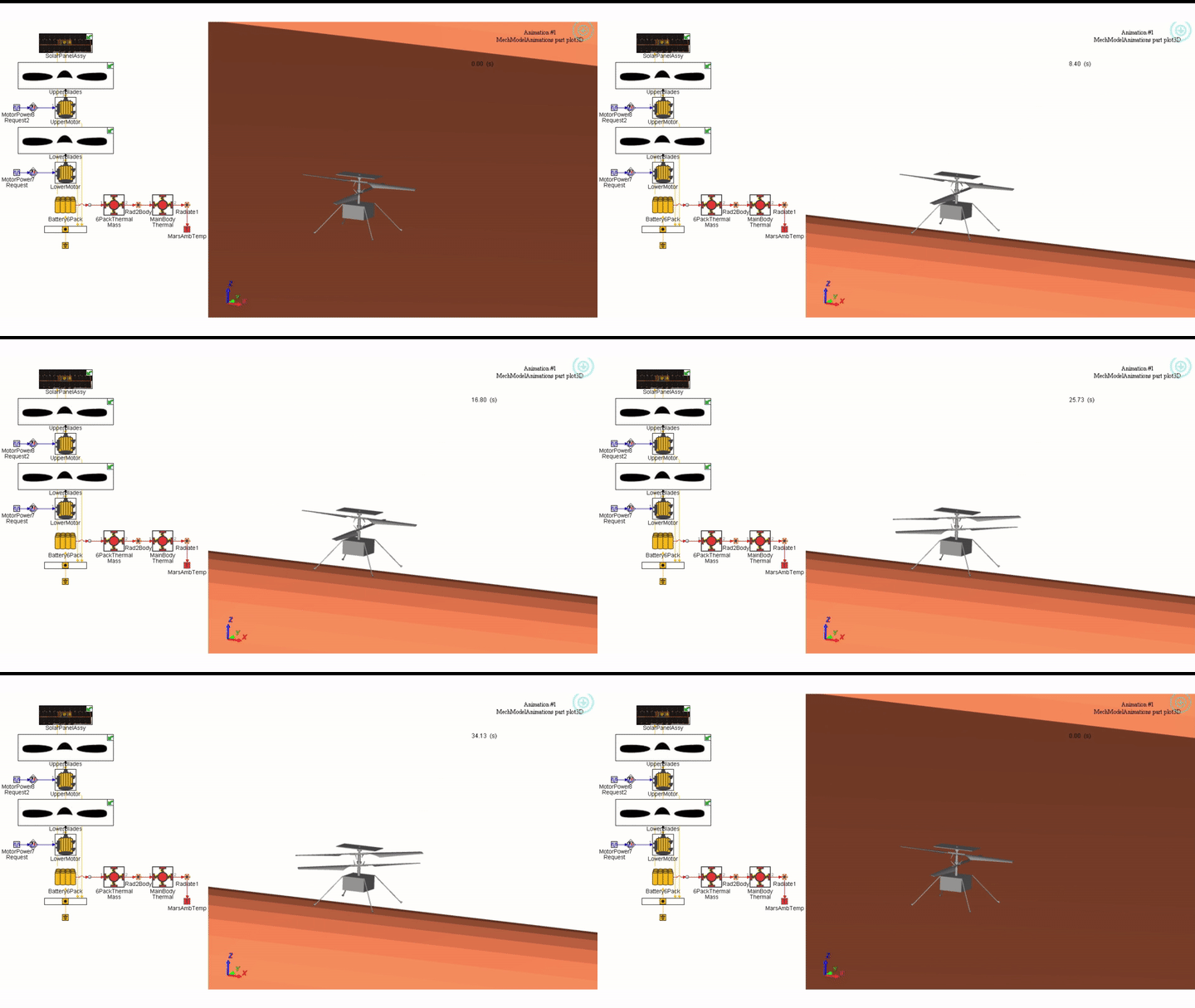
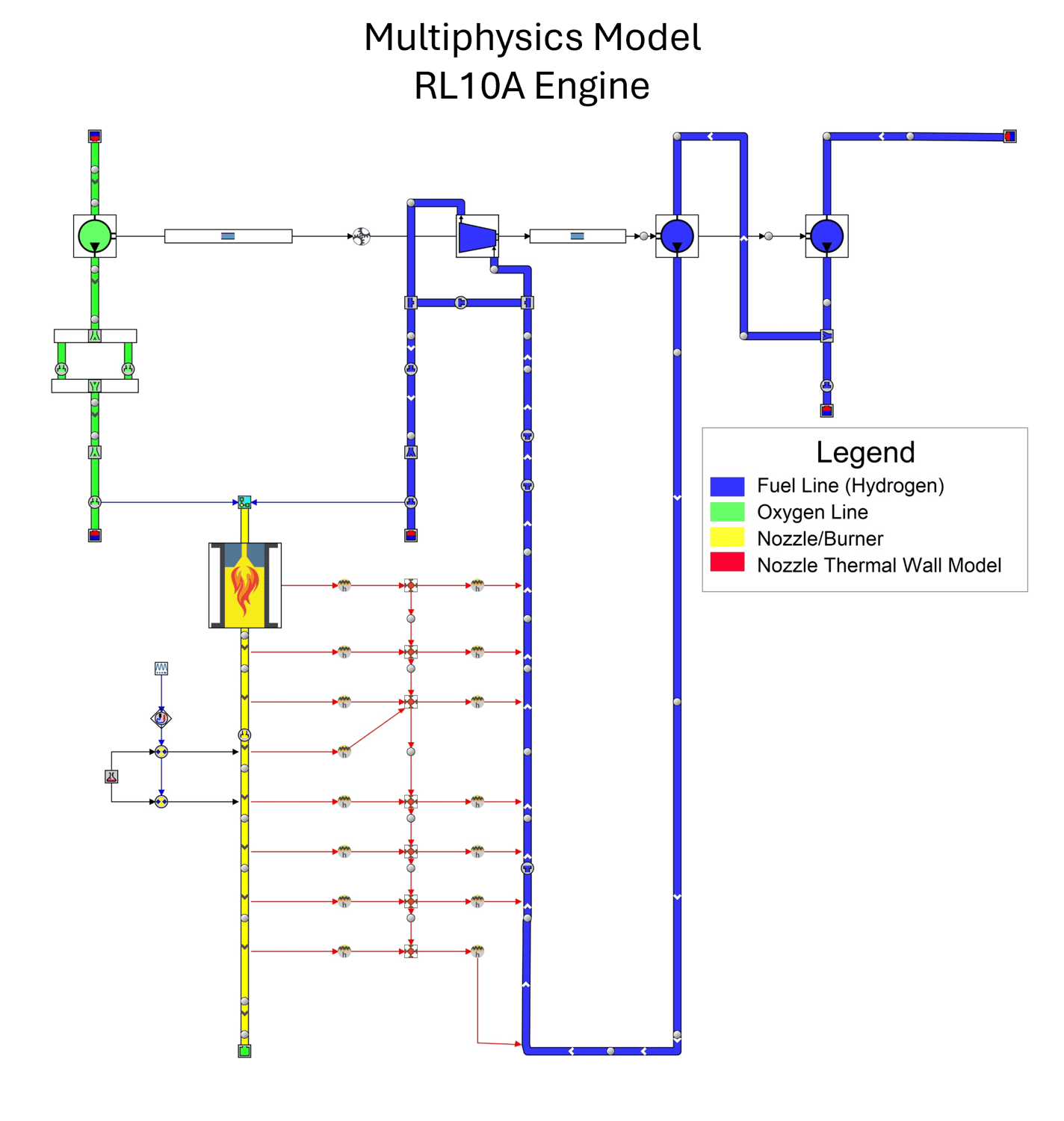
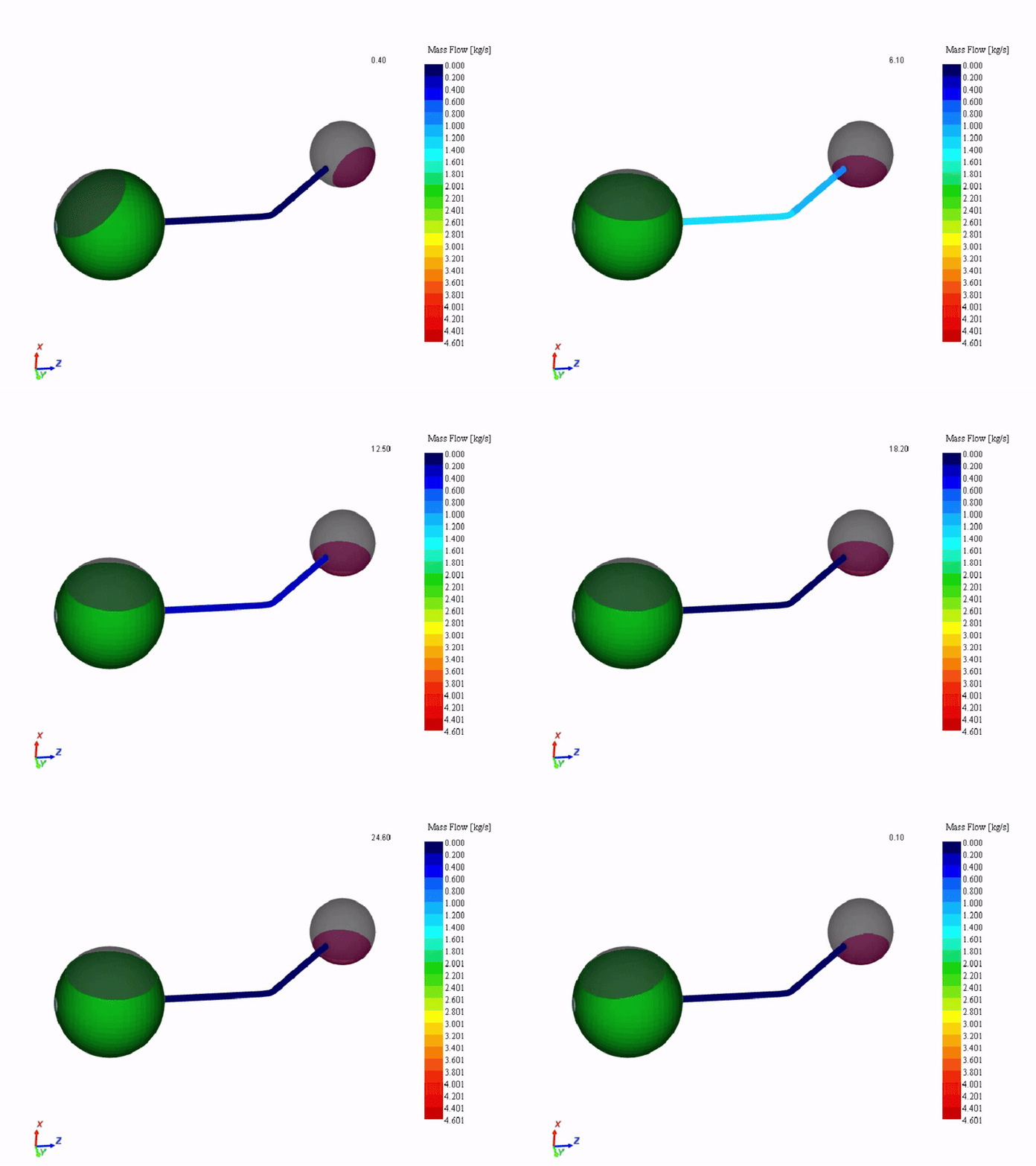
From feed system to thruster, GT-SUITE models the full propellant path in one place, propellant composition to combustion, tank to orbit. That single model is what let organization perform transient simulation of
ELECTRIFIED AIRCRAFT & EVTOL
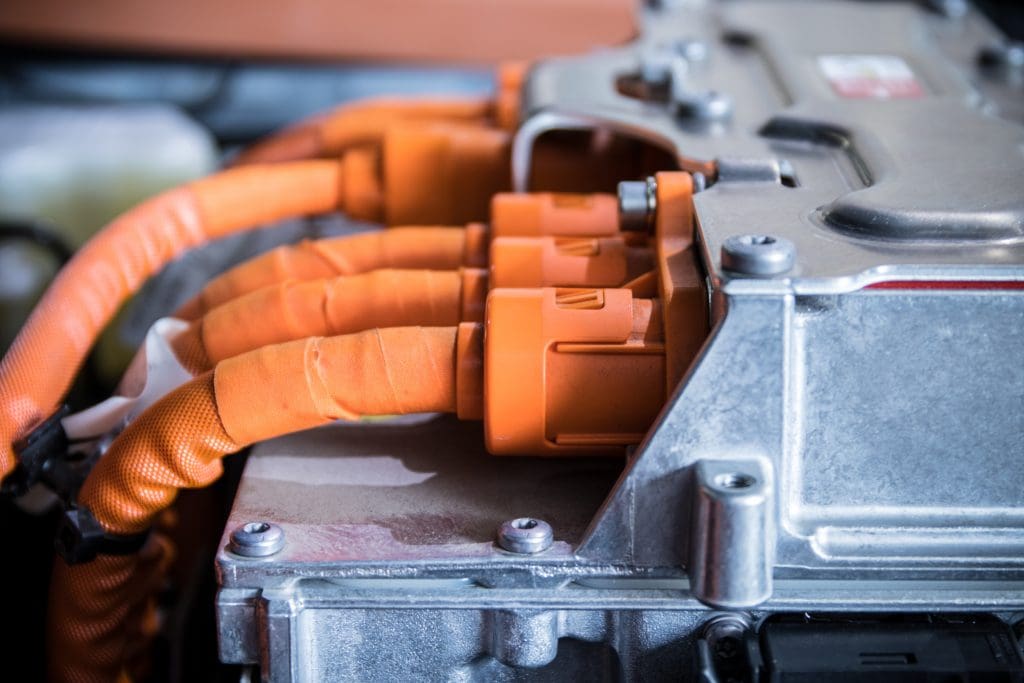
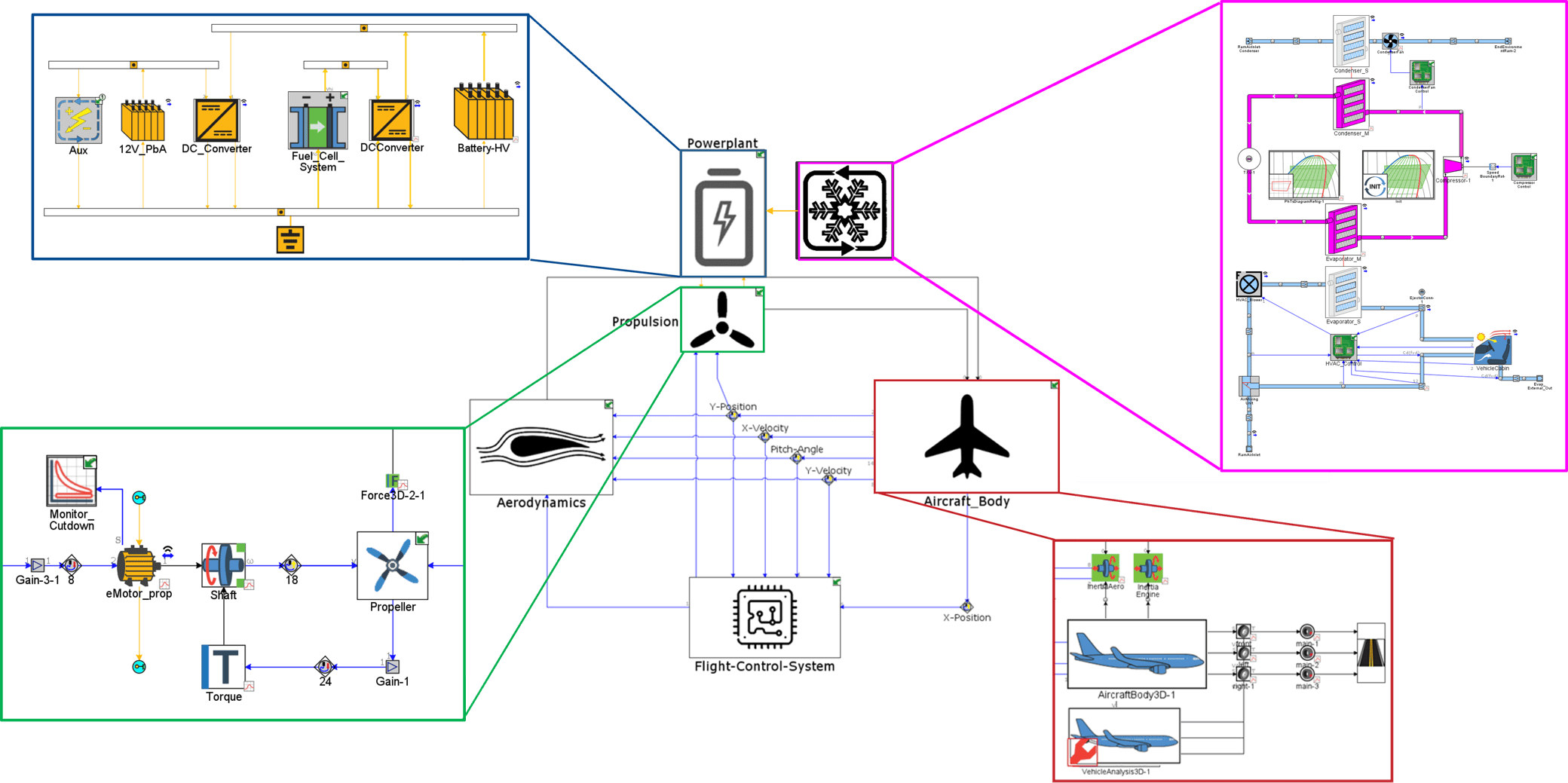
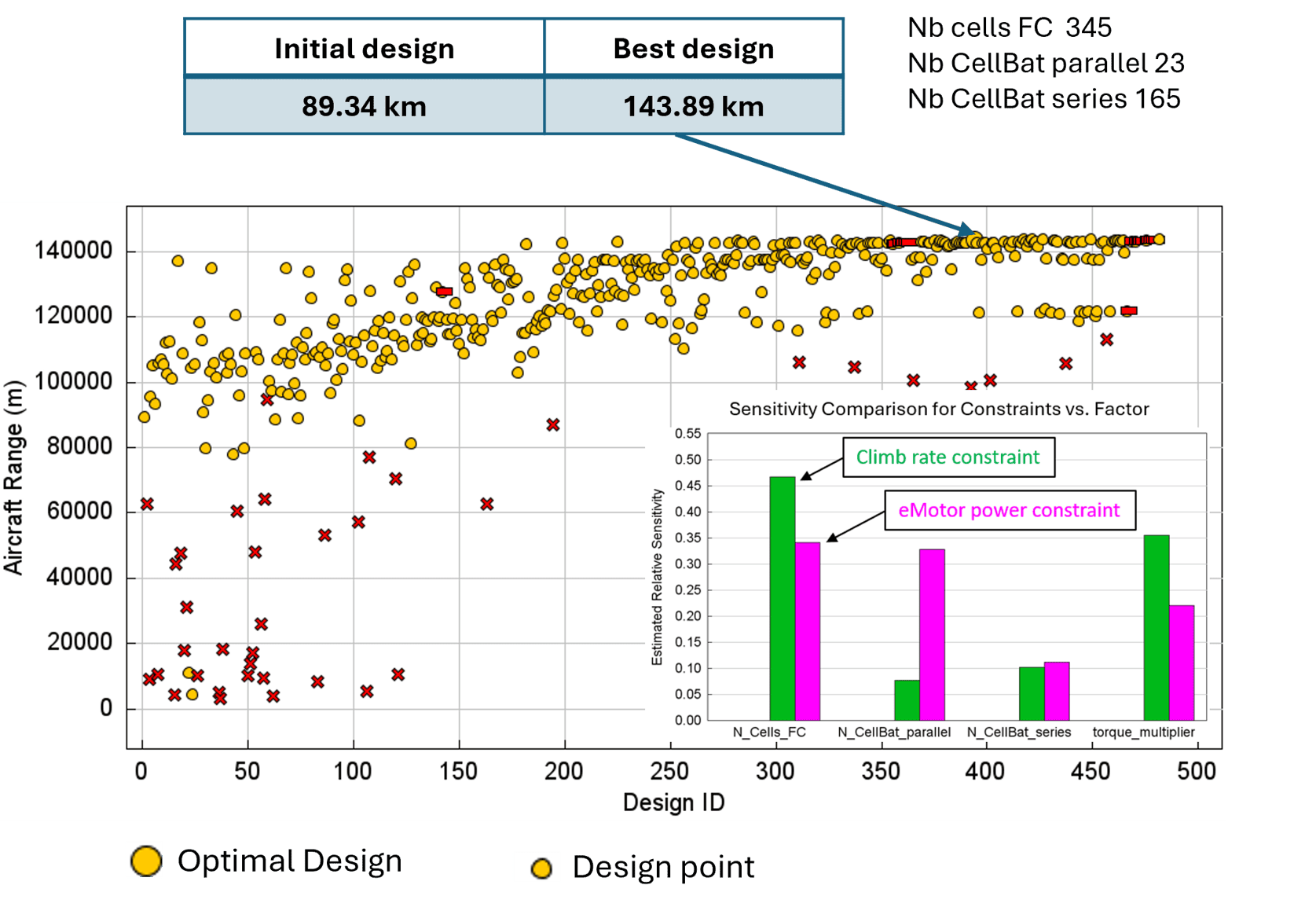
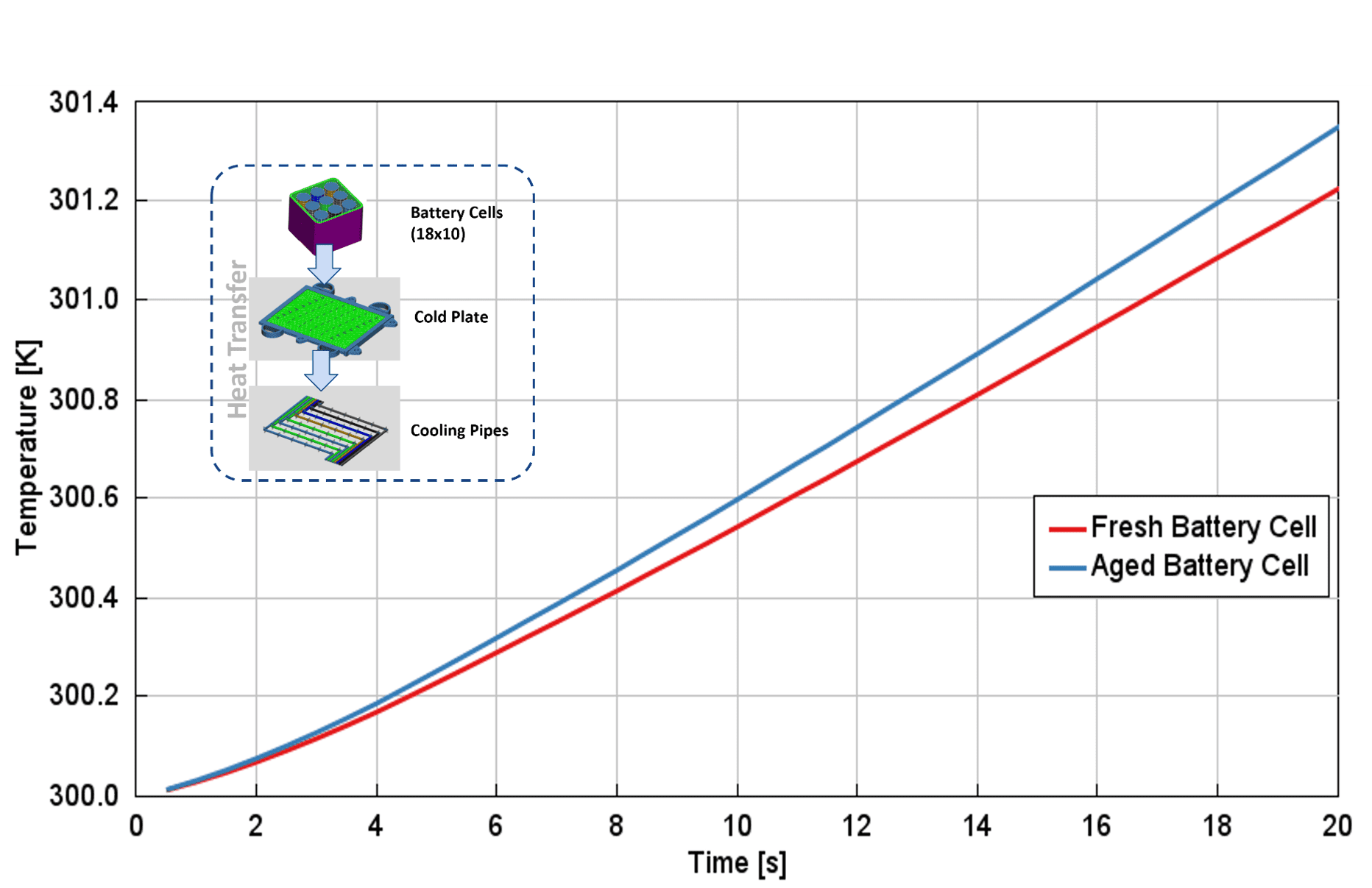
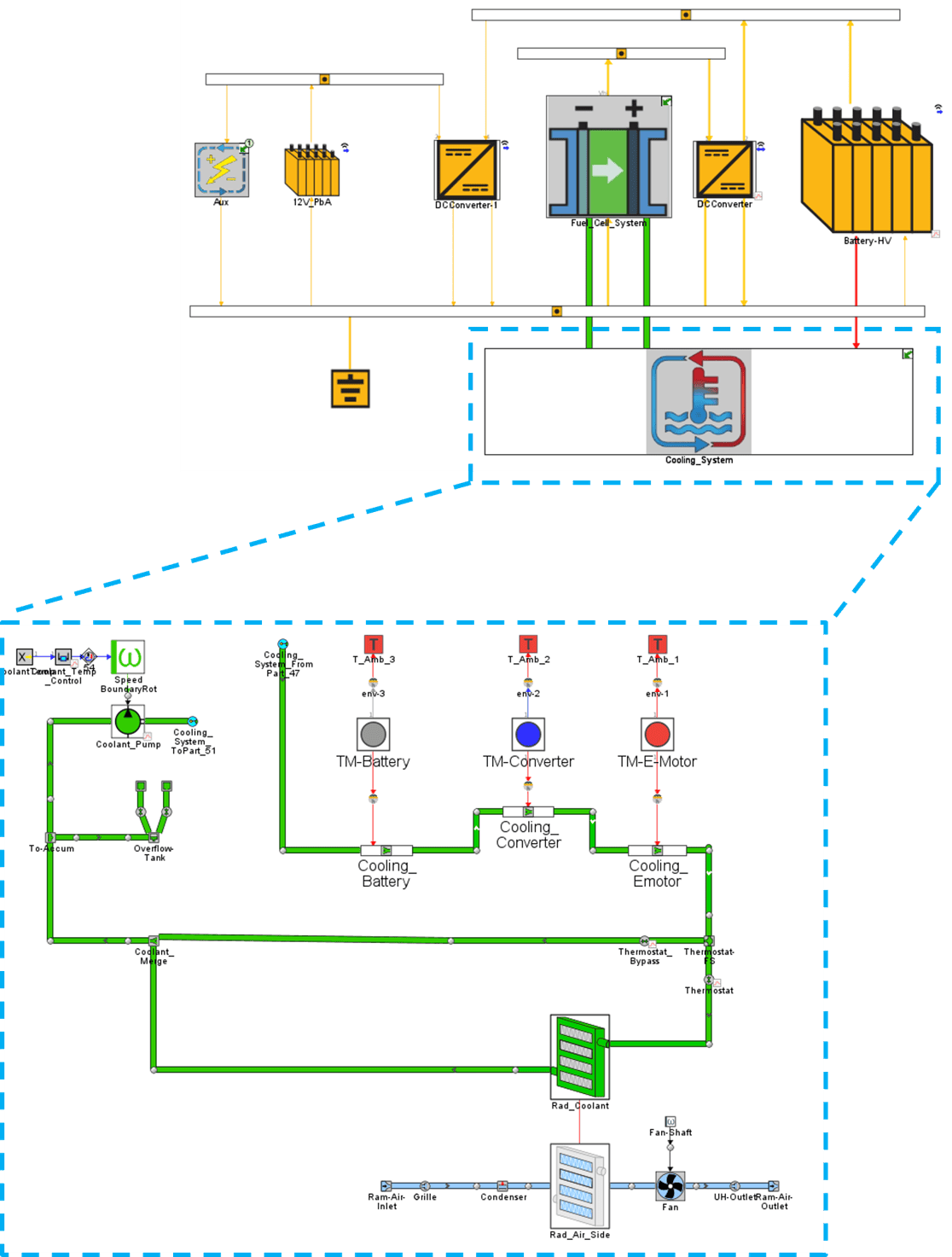
GT-SUITE models the full electric propulsion chain, cell to propeller, in one connected model.
CONVENTIONAL & HYBRID PROPULSION
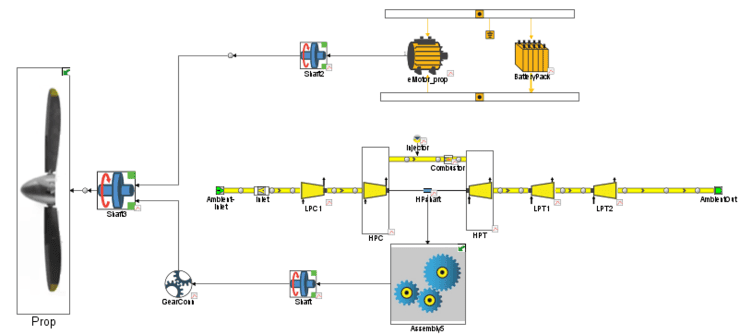
One modular engine-building approach covers turbine, piston, and hybrid architectures, without switching platforms.
THERMAL AND ENVIRONMENTAL CONTROL
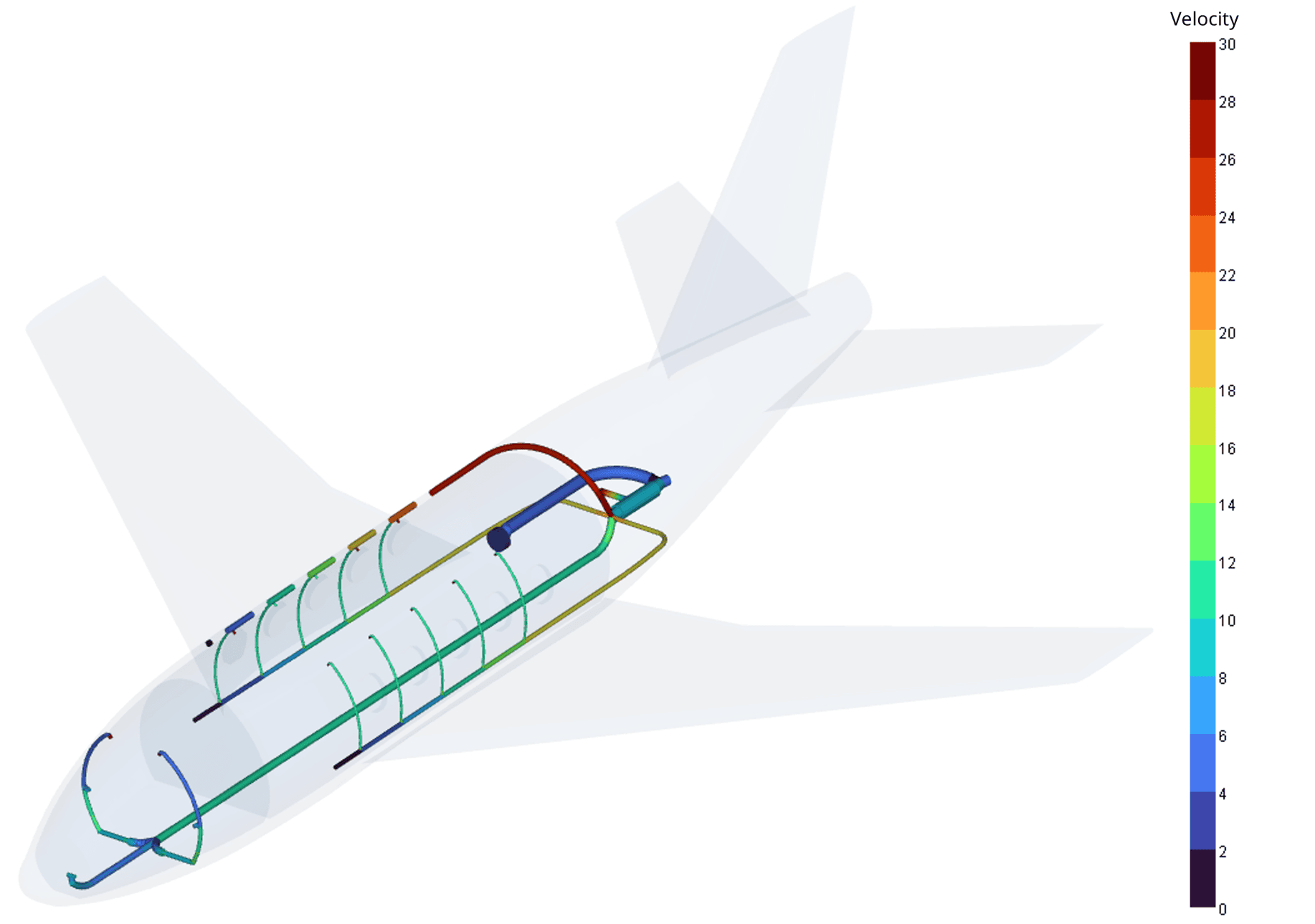
One thermal modeling approach covers cabin comfort, avionics, and battery or propulsion system cooling, so nothing gets sized in isolation.
SIMULATION FEATURES
One modular engine-building approach covers turbine, piston, and hybrid architectures, without switching platforms.
GT-POST is a dedicated post-processing environment for reviewing and comparing results, not a generic plotting add-on.
Export as FMU or reduced-order model, so results and models move into your existing toolchain and digital-twin environment without format friction.
Fluid, thermal, mechanical, electrical, magnetic, chemistry and controls solved together, not coupled across separate tools for the core physics.
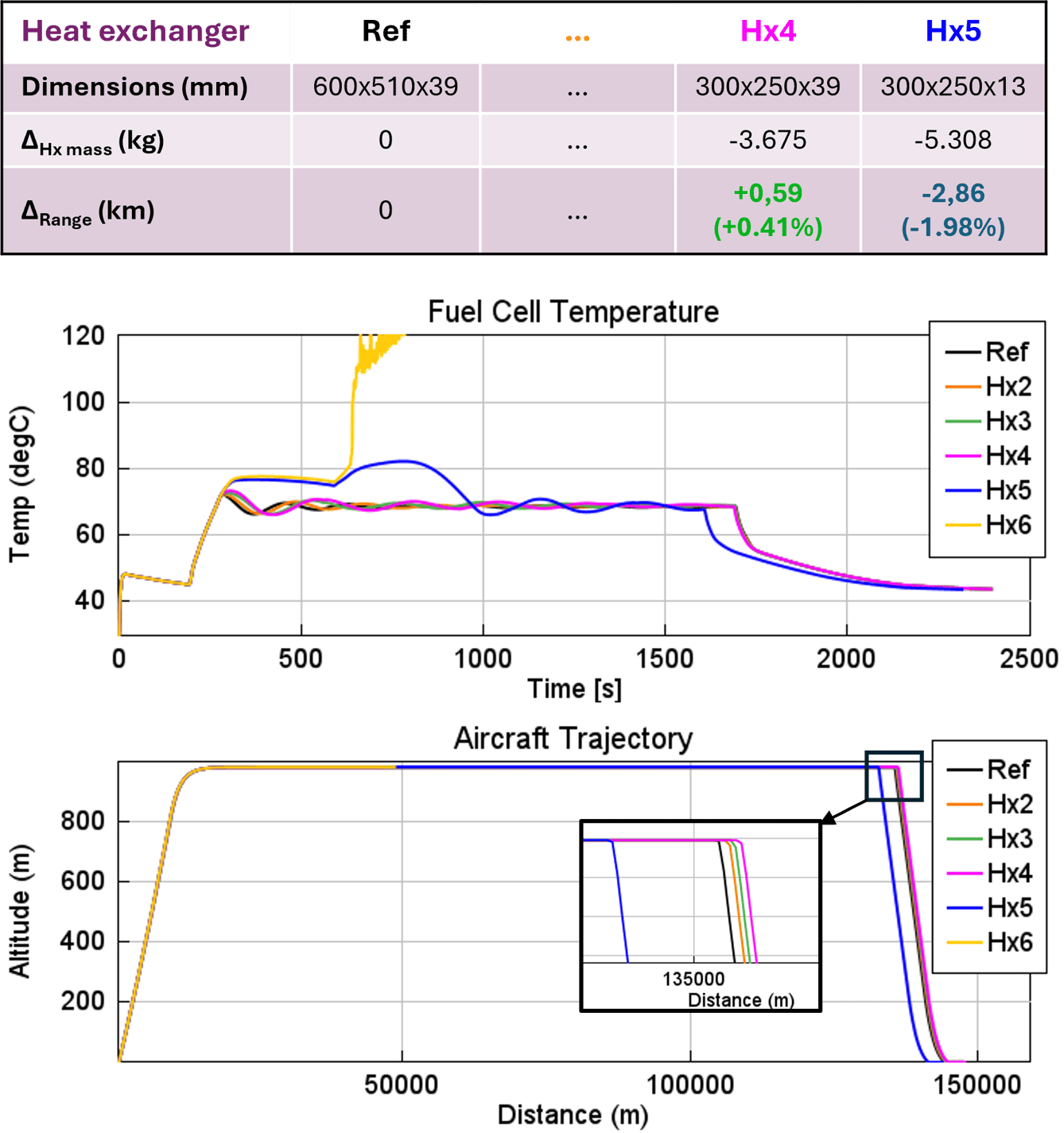
Model heat exchangers from simple initial studies to full detail in the same environment, a known pain point for legacy thermal-fluid tools.
Resolve unevenly distributed flow through a component with 3D CFD results, without leaving the system-level model to do it.
Two-phase cryogenic and refrigerant properties, including hydrogen, oxygen, methane, helium and nitrogen, for spacecraft and launch systems.
Batteries, fuel cells, motors and power electronics in one connected model, for electric and eVTOL aircraft.
The same model supports desktop study and hardware-in-the-loop testing, so nothing gets rebuilt for the next program phase.
3D radiation boundary conditions feed straight into GT-SUITE, for on-orbit cryogenic loads or cabin occupant comfort.
Learn More
Explore the resources below to learn more about this solution, including technical papers, case studies, and application notes.