







Electrochemical Materials Database
GT-AutoLion includes a comprehensive, ready-to-use electrochemical materials database, giving engineers immediate access to validated cell chemistries without extensive laboratory testing.
Understand how a battery will perform, degrade, and behave under real-world stress, with GT-SUITE and GT-AutoLion.
SOLUTION OVERVIEW
Batteries are now central to how the world moves and powers itself, from electric vehicles and eVTOLs to consumer electronics, medical devices, and grid-scale energy storage. As demand accelerates, engineers face a harder problem: cells and packs must be safer, last longer, and perform reliably across an expanding range of chemistries and operating conditions, while development timelines shrink.
Gamma Technologies’ battery solutions give engineers, researchers, and programming teams a way to understand and predict battery behavior, performance, degradation, and safety before committing to costly physical prototypes and testing cycles. They combine physics-based modeling, which captures the real electrochemical, thermal, and mechanical mechanisms driving battery behavior, with AI and data-driven techniques that speed up analysis, fill in gaps where first-principles models are expensive to run, and help teams explore design spaces far faster than testing alone allows. The result is a single environment where cell-level insight connects to system-level decisions, giving teams across automotive, aerospace, electronics, and energy storage a faster, more confident path from concept to reliable, production-ready battery designs.
APPLICATION HIGHLIGHTS
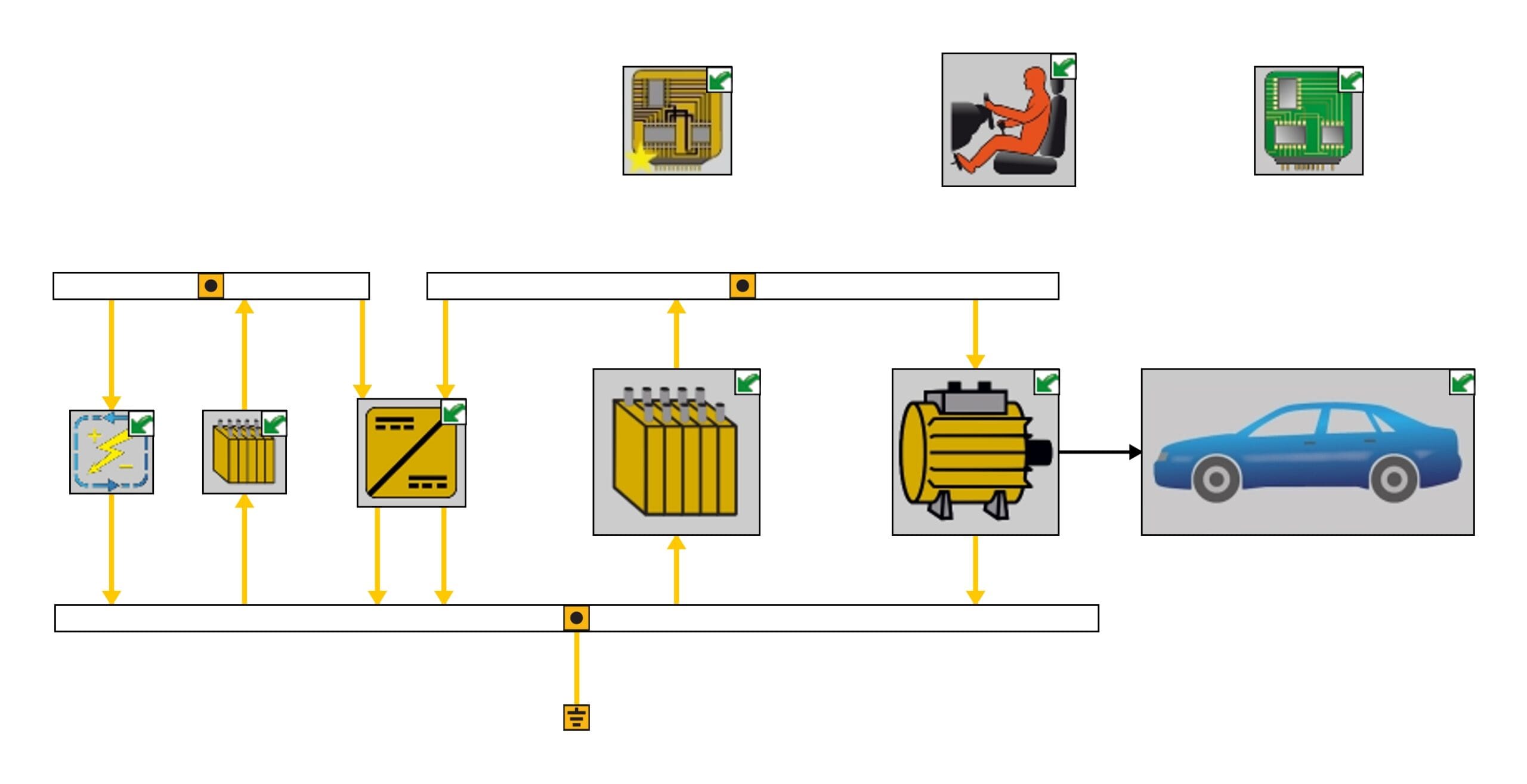
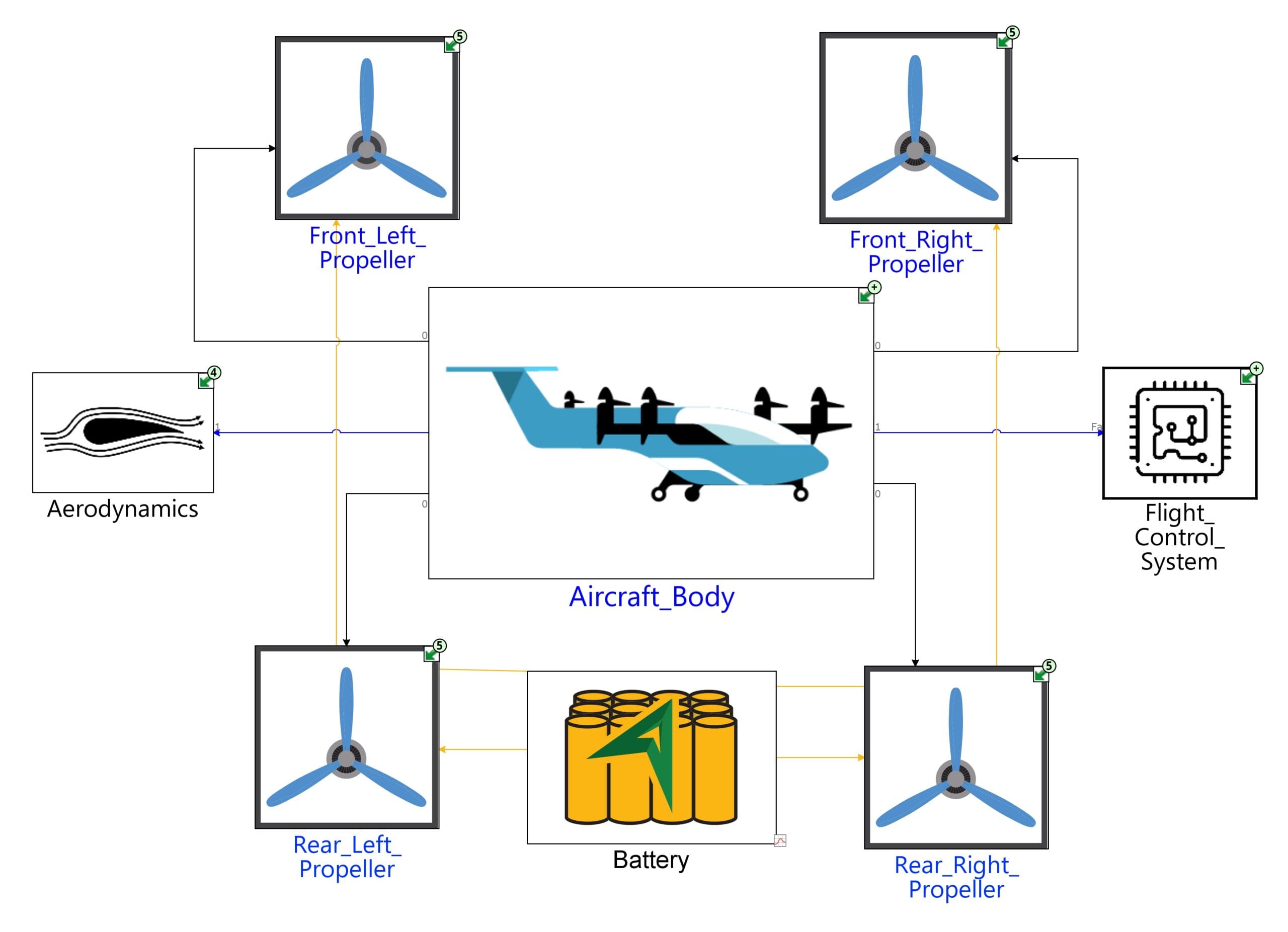
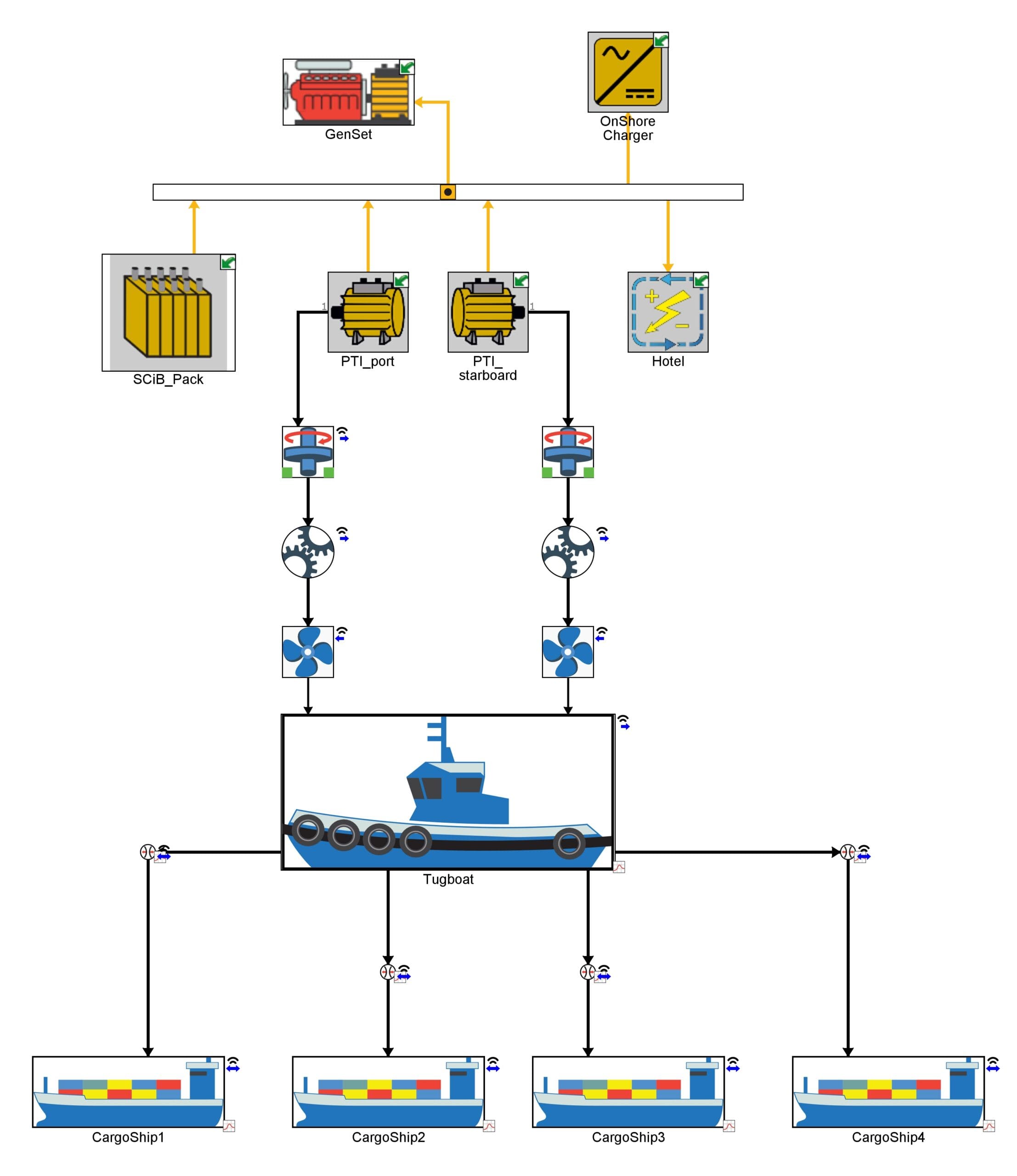
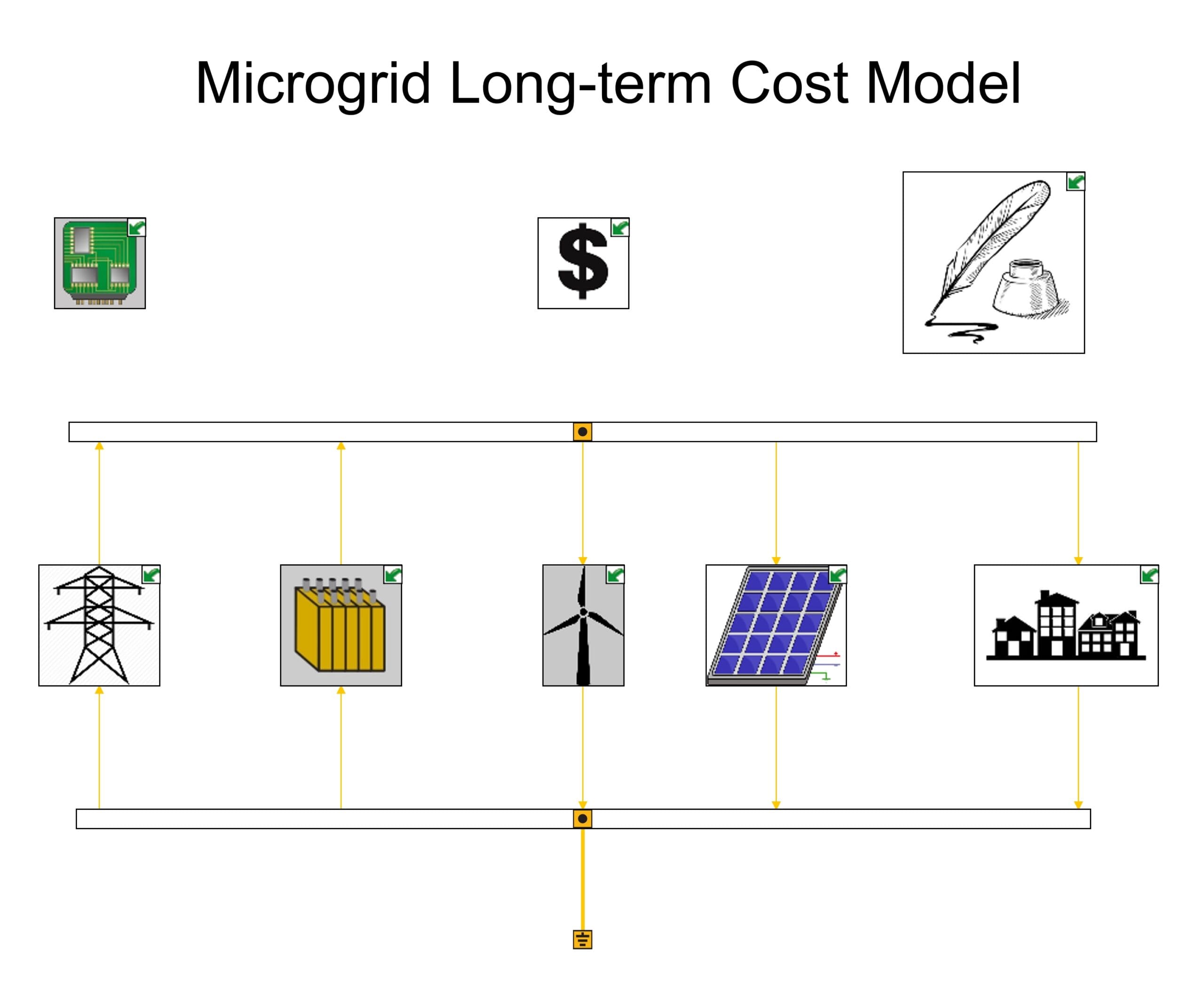
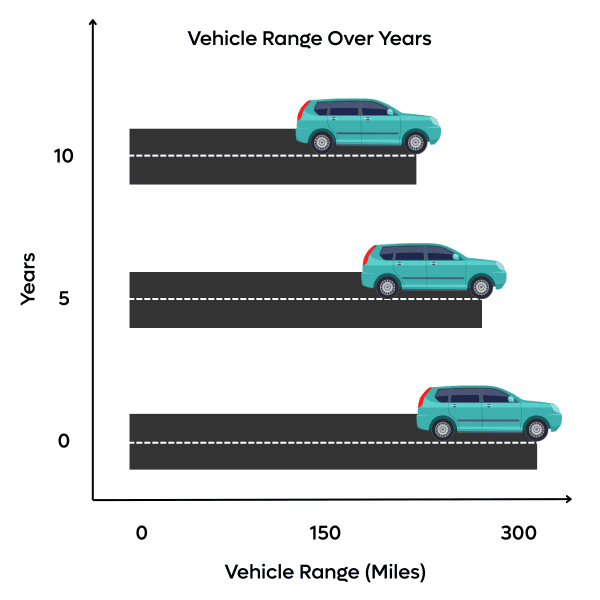
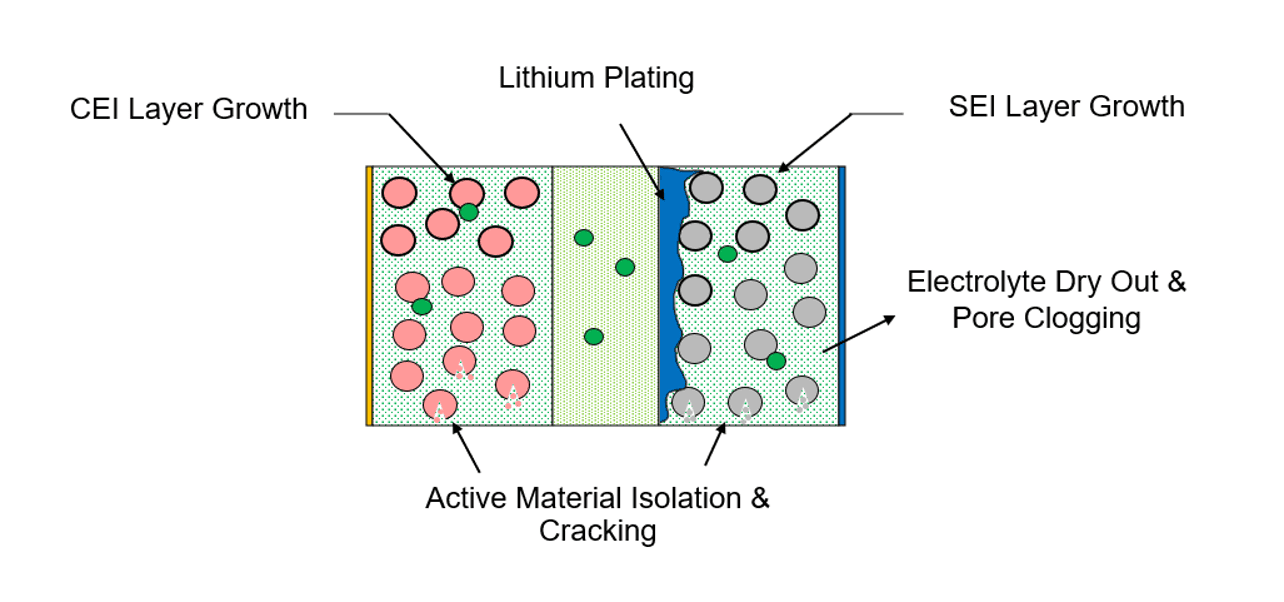
Batteries degrade over time, and understanding how fast, and why, is critical for warranty planning, fleet management, and second-life strategies, but waiting years for real-world aging data isn’t practical. GT-AutoLion’s physics-based aging models predict calendar and cycle degradation, calibrated to available test data and extrapolated beyond it, while machine learning techniques help identify degradation patterns and speed up analysis across large datasets and design variations. Together, teams can forecast long-term battery life with confidence, without running multi-year physical test campaigns.
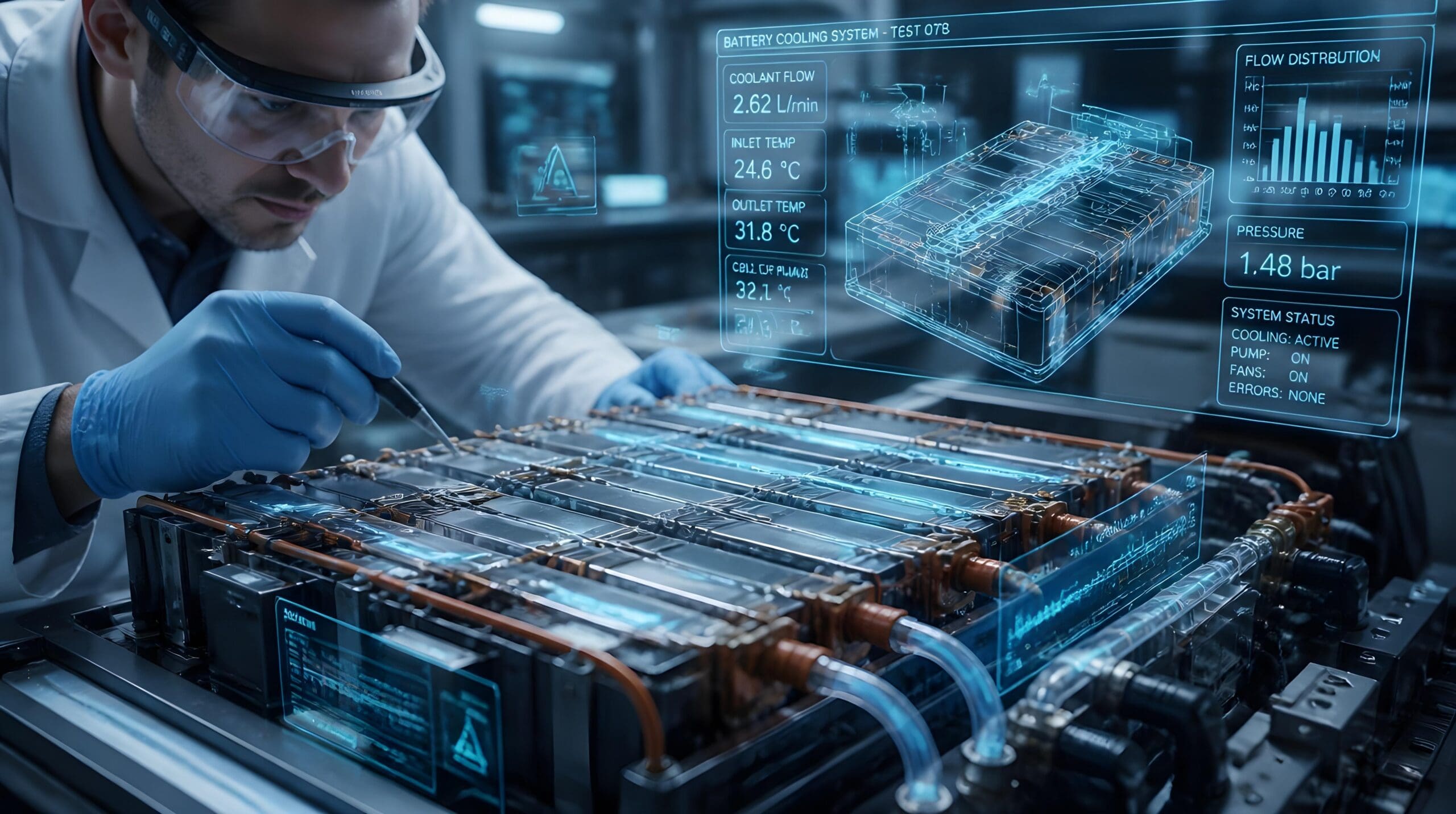
A battery pack that runs too hot, or unevenly, loses performance, safety margin, and lifespan, making thermal management one of the most critical design challenges in any battery system. By coupling electrochemical and thermal models directly to system-level thermo-fluid simulation, engineers can evaluate cooling strategies at both the cell and pack level, catching thermal risks early and designing cooling systems that hold up under real usage.
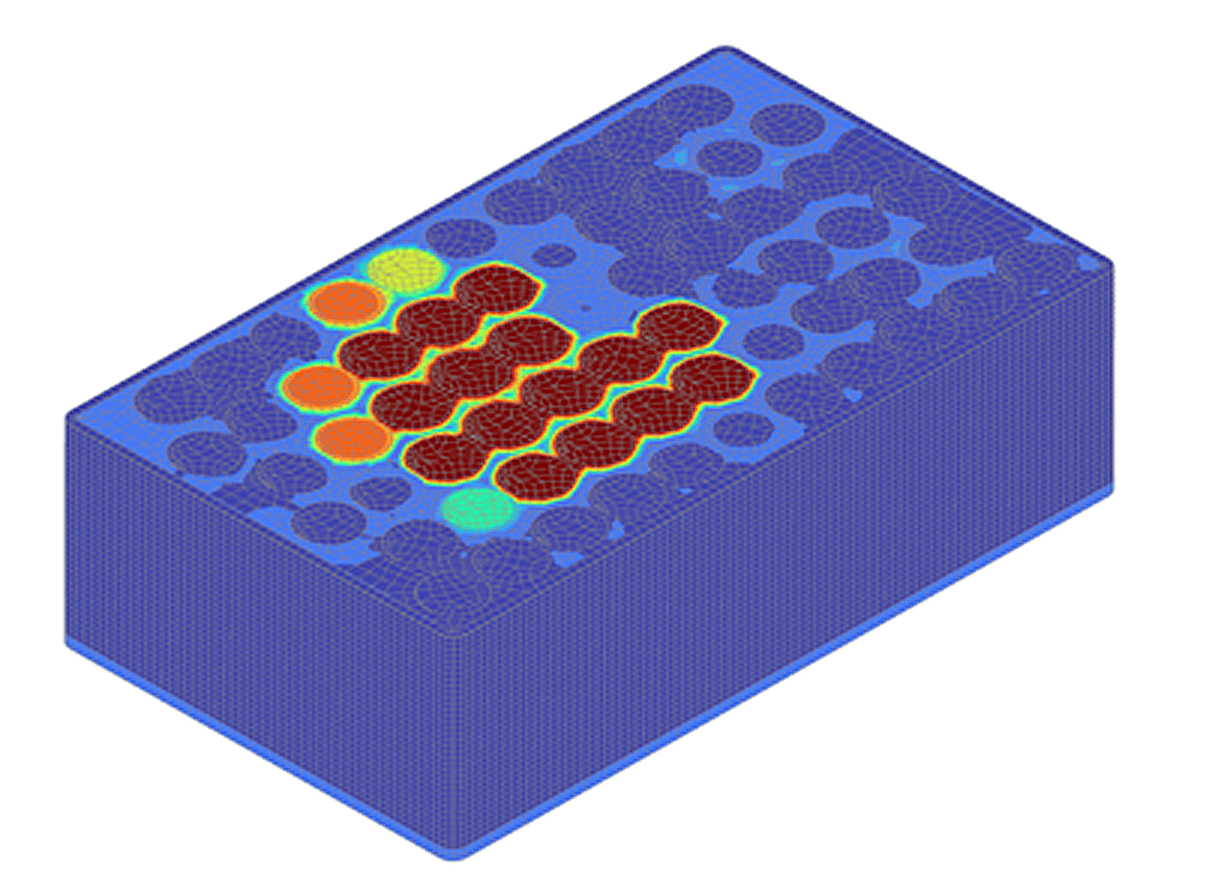
Every battery starts as a set of design choices: chemistry, electrode structure, cell geometry. Getting those choices right early avoids costly redesigns later. GT-AutoLion gives engineers a way to model and evaluate cell designs at the electrochemical level, exploring trade-offs in capacity, power, and longevity before a single physical cell is built.
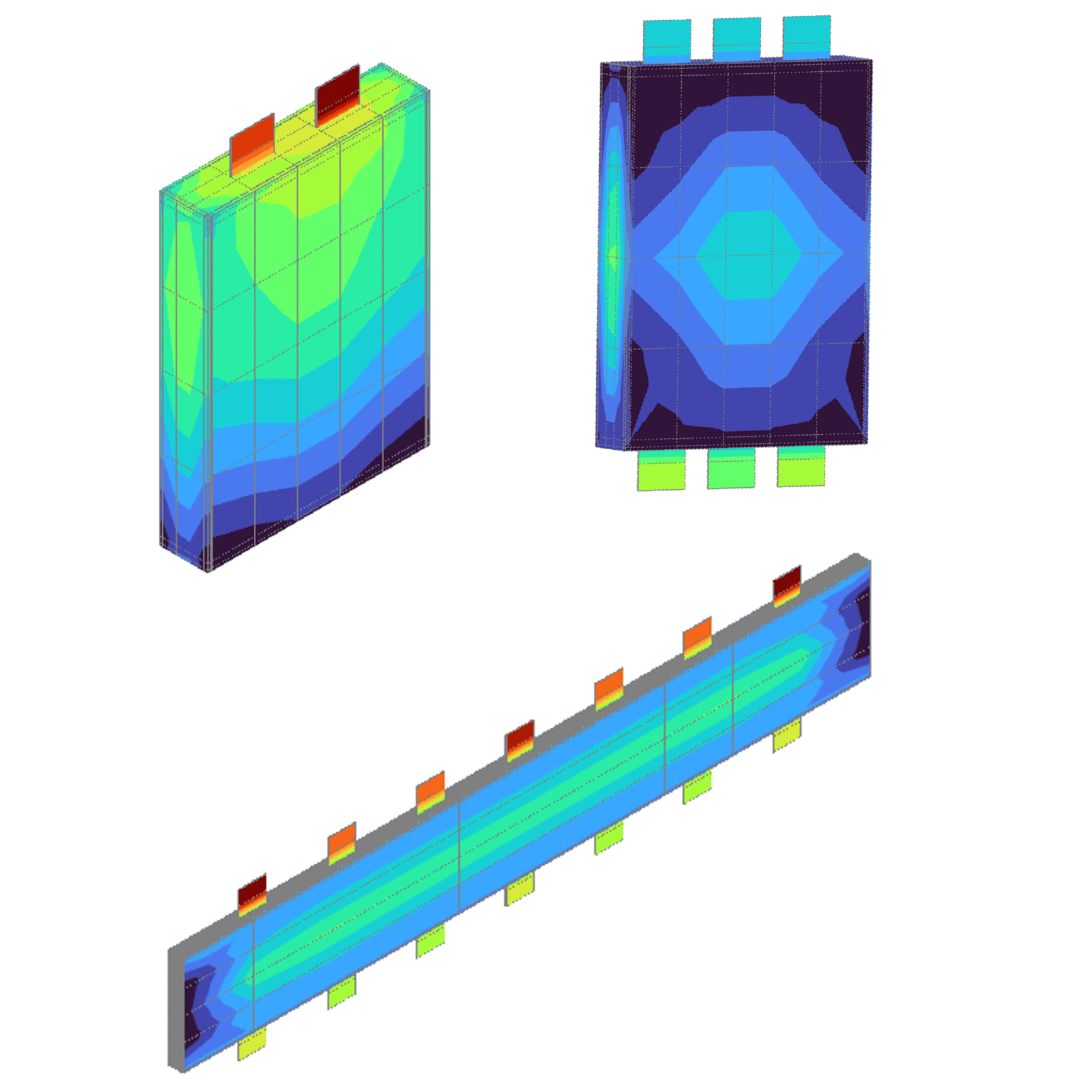
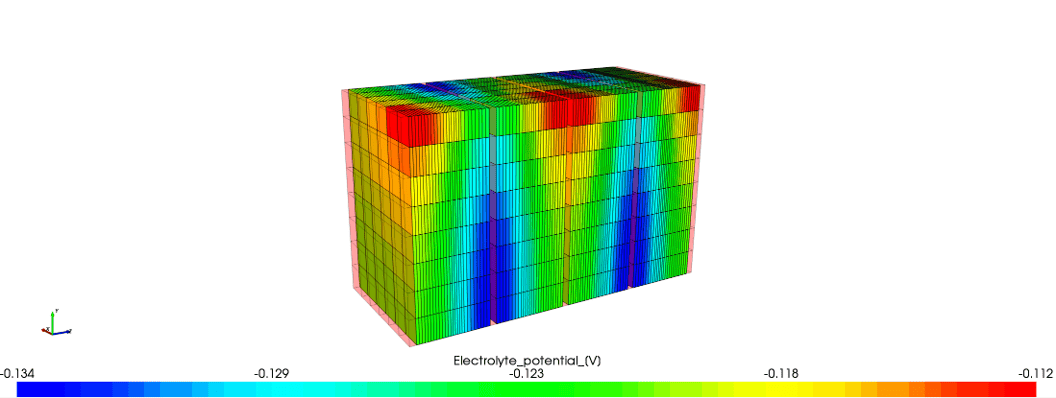
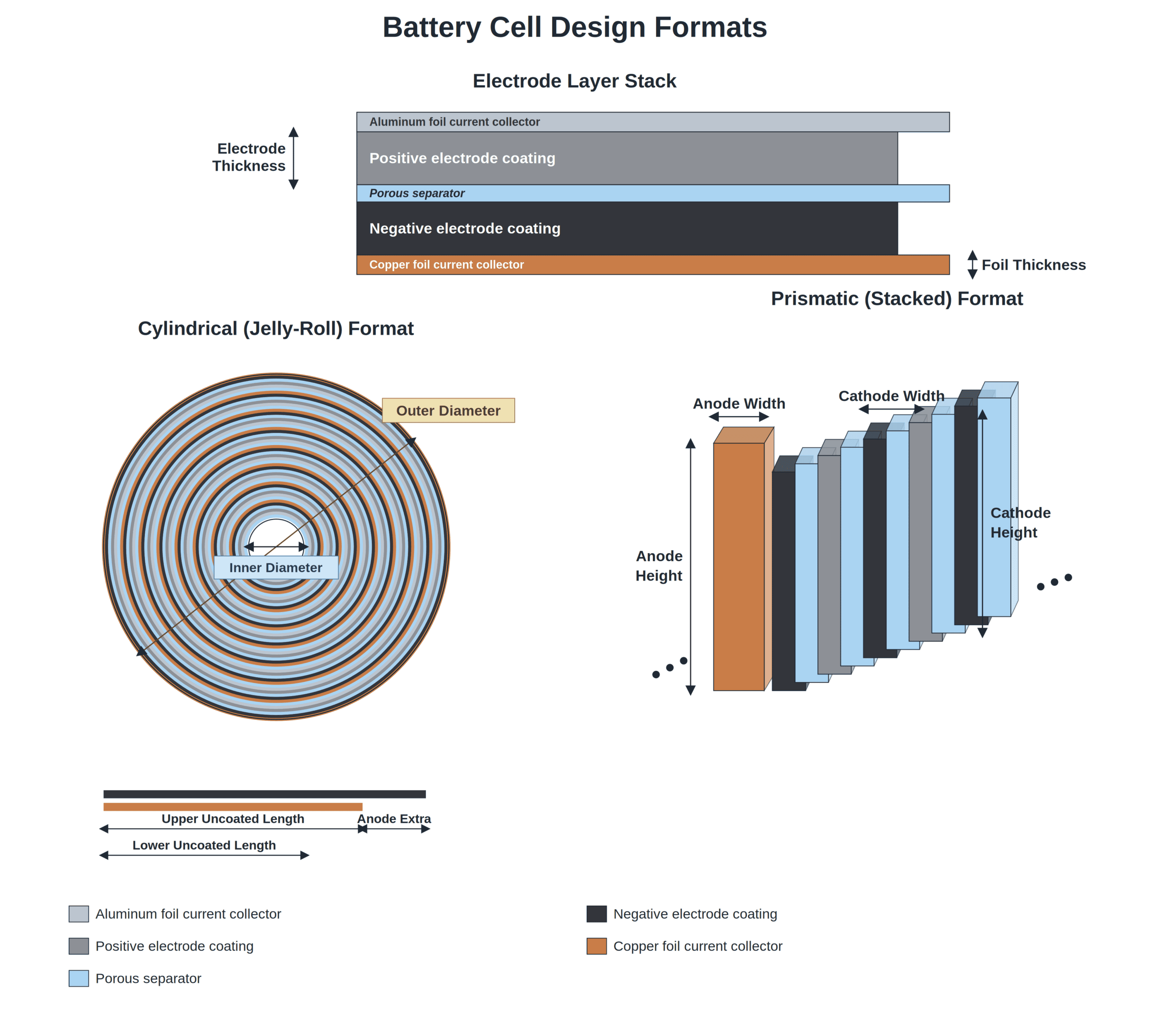
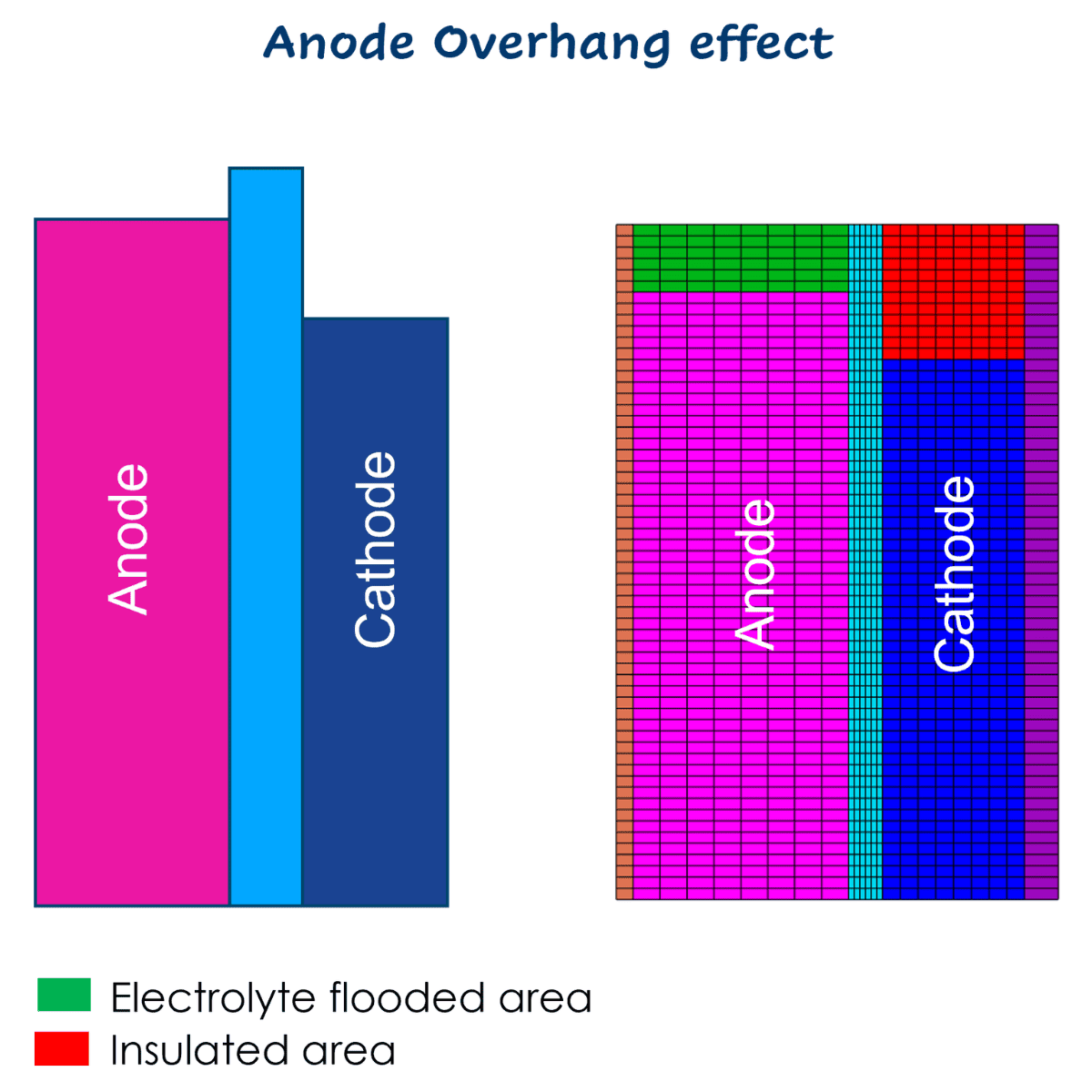
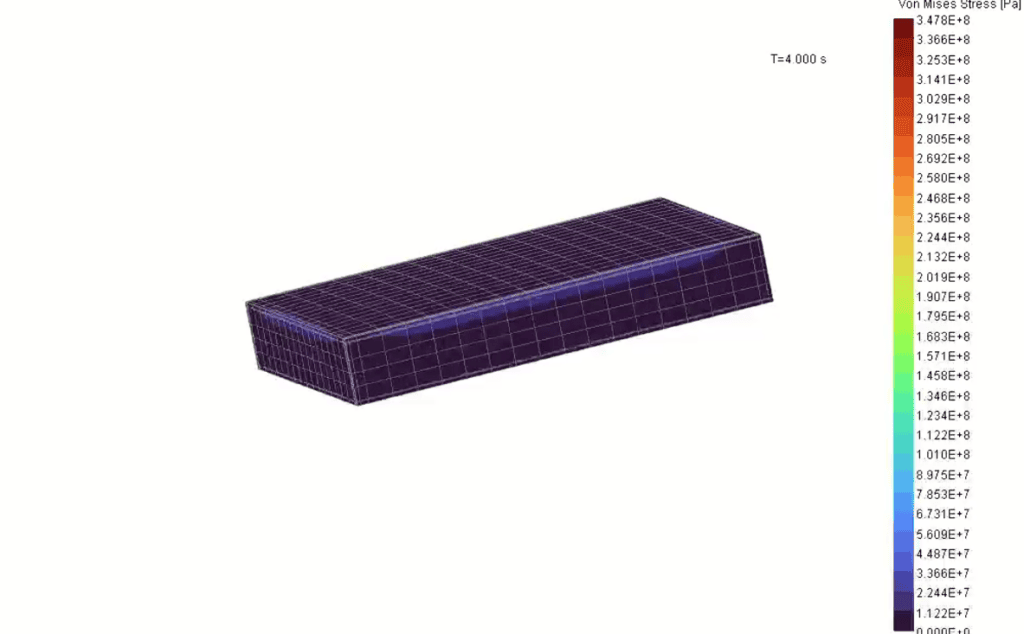
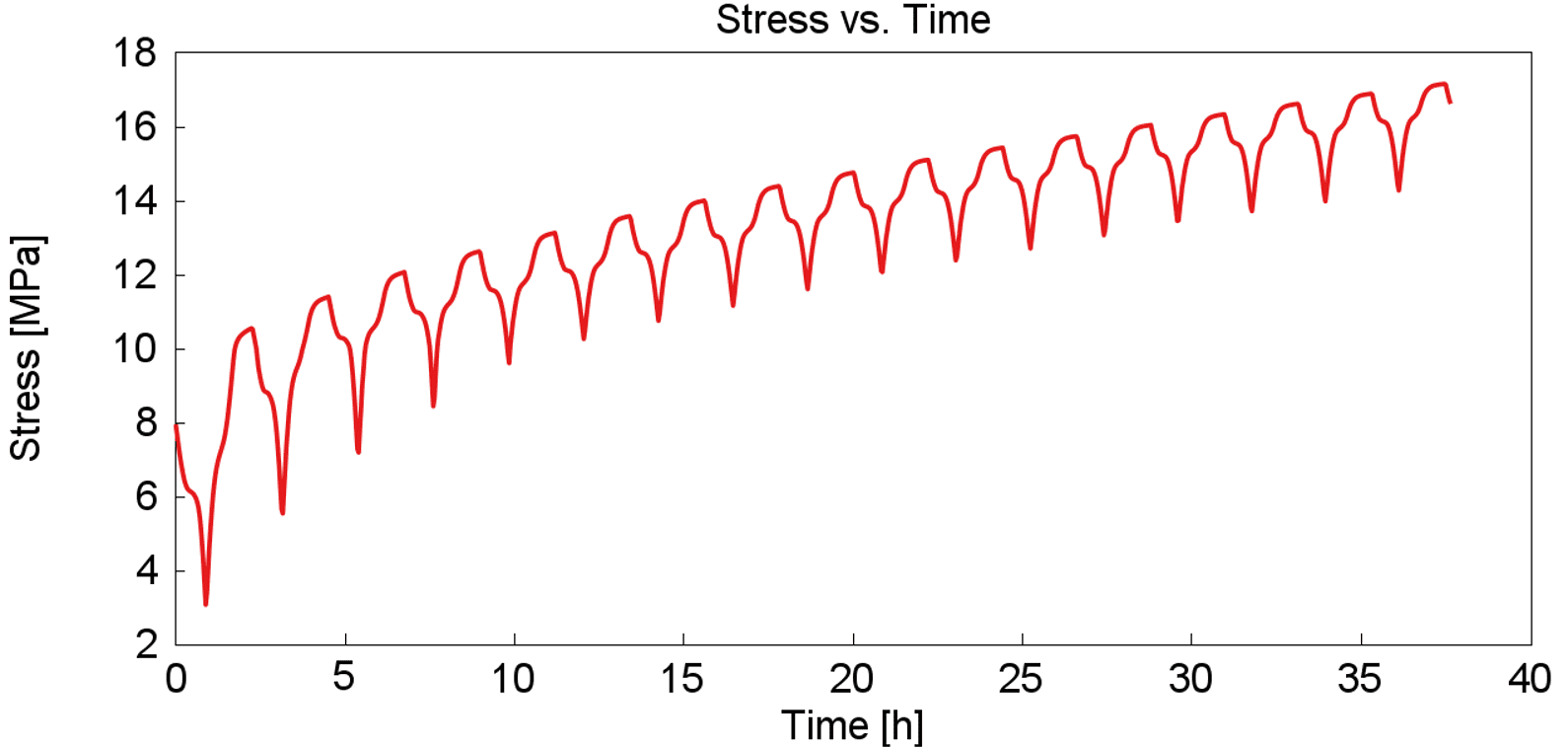
Swelling and deformation in lithium-ion batteries (LIBs) arise from multiple mechanisms, including volume changes in electrode particles during lithium intercalation and de-intercalation, surface film growth due to side reactions, and elastic deformation of electrodes under external mechanical loads. These changes can affect both the electrochemical performance and structural mechanical properties of the battery. GT-AutoLion predicts particle-level stress, strain, and spatial deformation throughout a battery’s lifecycle, giving engineers paramount insight on the mechanical behavior of the cell.
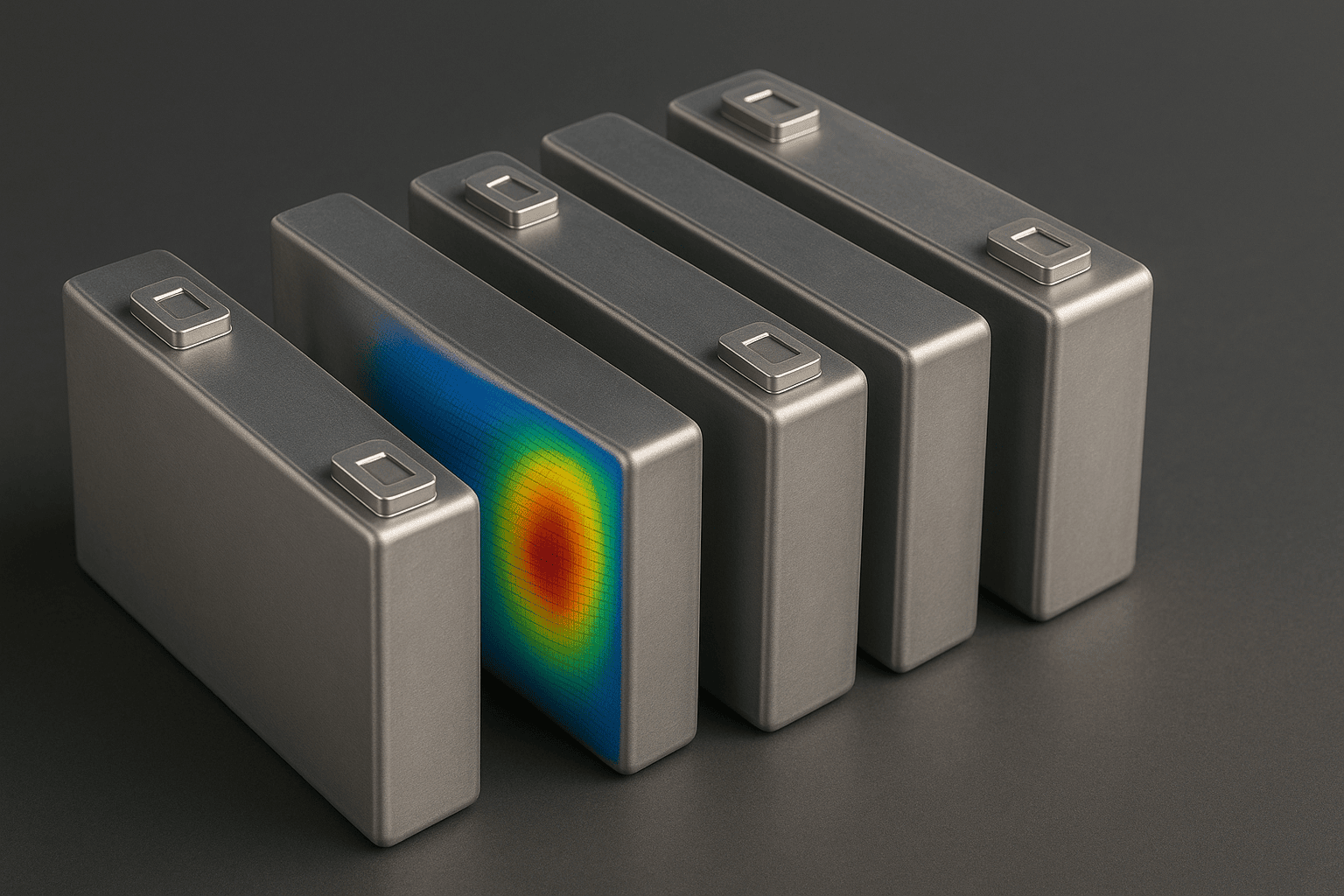
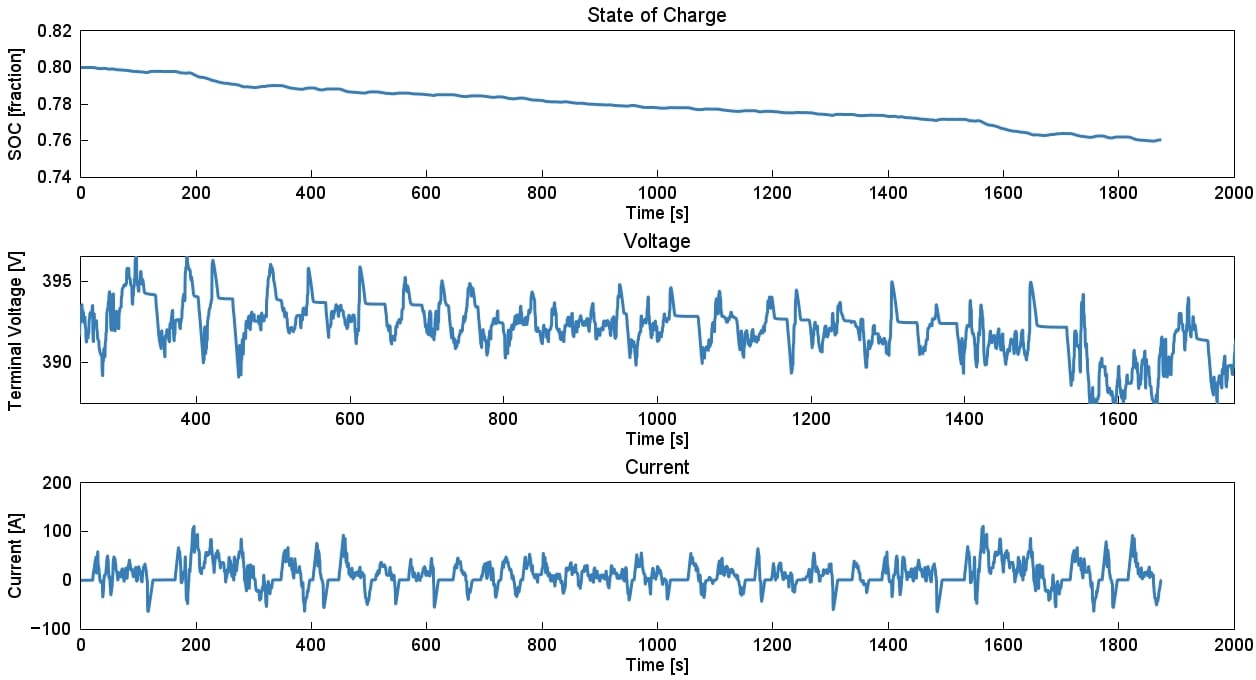
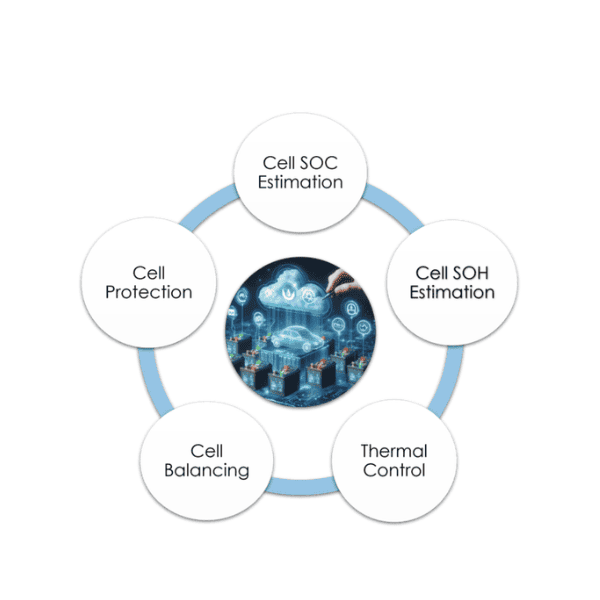
A Battery Management System is only as good as the models behind it. If it’s tuned against oversimplified assumptions, it will underperform in real conditions. GT–AutoLion‘s physics-based battery models give control engineers an accurate foundation for developing and validating BMS algorithms such as SOC estimation, SOH tracking, cell balancing, and thermal protection with direct deployment paths into MiL, SiL, and HiL environments.
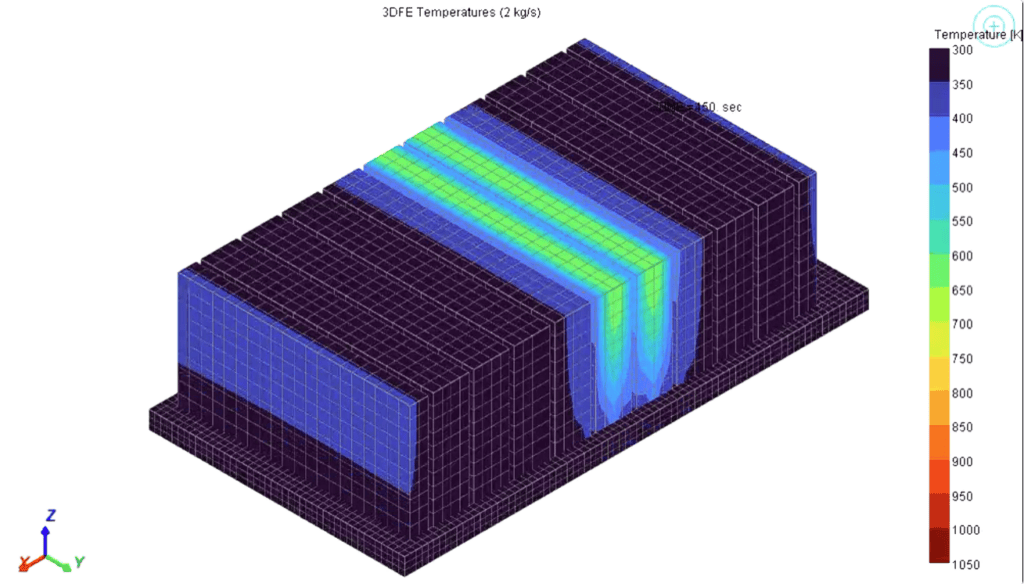
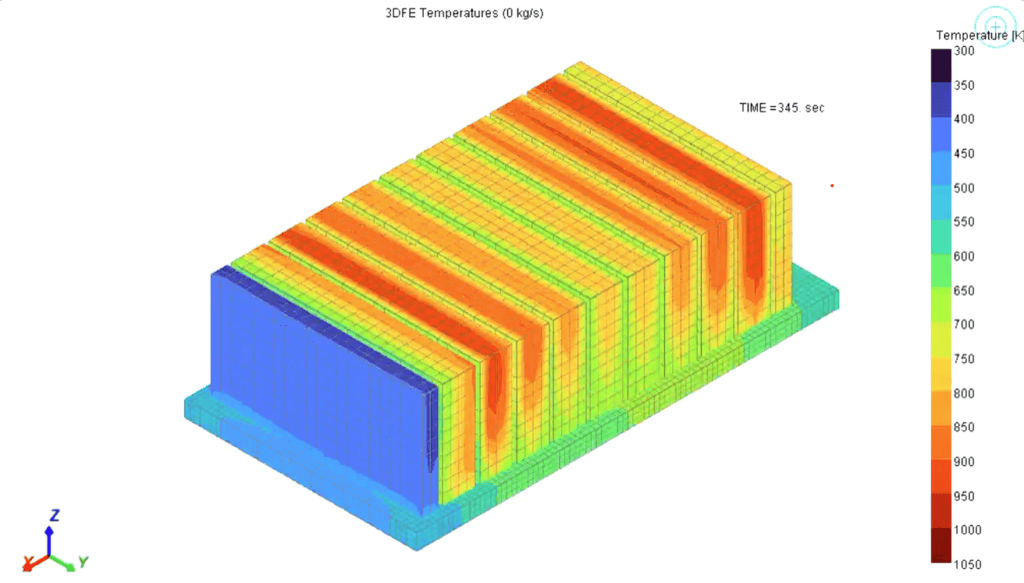
Thermal runaway is one of the most serious risks in battery design, and understanding how it propagates, cell to cell, and cell to pack, is essential for building in safety margin from the start, not discovering gaps during certification testing. GT–AutoLion and GT-SUITE electrochemical and thermal models couple directly to system-level simulation to predict propagation risk, while AI and machine learning techniques help engineers design anomaly detection strategies to catch dangerous thermal runaway events from minutes to hours before it occurs. This combination lets safety-critical decisions get made early, well before physical validation.
Advanced Features
Predict battery range, temperature distribution, and degradation in a unified simulation environment.
GT-AutoLion includes a comprehensive, ready-to-use electrochemical materials database, giving engineers immediate access to validated cell chemistries without extensive laboratory testing.
GT-AutoLion's physics extends beyond conventional lithium-ion to emerging chemistries like sodium-ion, solid-state, and lithium-sulfur letting engineers evaluate next-generation cell designs before manufacturing infrastructure exists.
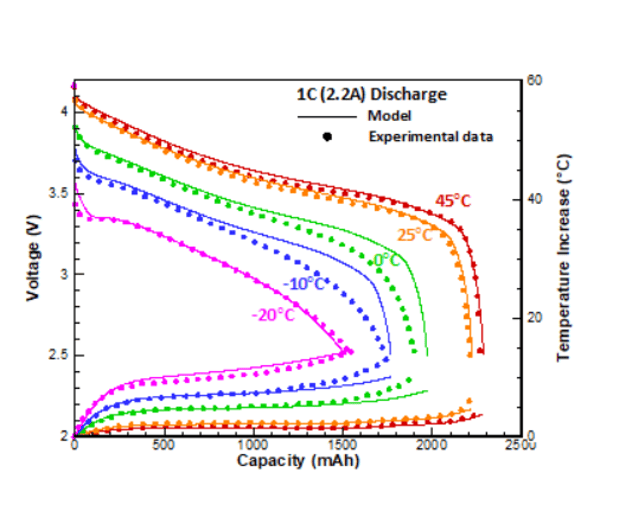
Engineers can calibrate electrical-equivalent and electrochemical battery models against experimental test data, including capacity fade and resistance growth, to ensure simulation results reflect real-world cell behavior.
Predict key electrolyte properties, ionic conductivity, diffusivity, ion activity, and lithium transference number, for custom multi-salt, multi-solvent compositions across a range of temperatures and concentrations, without expensive laboratory testing.
Machine Learning Assistant transforms simulation or test data into fast-executing metamodels using deep neural networks, dynamic regression algorithms, classification methods or polynomial regression to replace computationally expensive physics-based sub-models where speed is critical, without sacrificing accuracy where it matters most.
Utilize GT’s built-in optimization capabilities, including GT’s design-of-experiments and machine-learning assistant tools, GT’s direct optimization capabilities, and GT-ProcessMap for multi-step, procedural, optimization routines.
Explore frequently asked questions about GT-SUITE battery modeling capabilities.
Yes. GT-AutoLion offers a hierarchy of model fidelities, from fast, reduced order electrochemical models suitable for real time and controller development, to full order electrochemical models for detailed design work. Automated workflows can also convert a high-fidelity electrochemical model into an equivalent circuit model, so teams aren’t forced to choose between accuracy and real time performance.
No. While calendar aging data improves calibration accuracy, GT–AutoLion‘s aging models can still be calibrated using limited aging data alone. A dataset with a “knee” (the point where degradation accelerates) is useful for verifying the model, but it’s not required to calibrate the core lithium plating behavior. This means teams can start predicting degradation trends even with limited test history.
GT–AutoLion and GT-SUITE predictive models let you evaluate cooling topologies such as immersion cooling vs. cold plate, or single phase coolant vs. refrigerant, at a system level before committing to hardware. Because these models are physics based rather than purely empirical, cell level calibrations extend reliably up to module and pack level simulations, so you’re not starting from zero at each stage of integration.
GT-AutoLion comes preloaded with a validated materials database covering common chemistries (NMC, LFP, Graphite, Si alloy), giving you strong starting estimates for intrinsic material properties. From there, you only need to calibrate the most sensitive, design-depending parameters, like porosity, thickness, or active material loading, using built in optimization algorithms that automatically fit the model to your available data.
It’s built for design decisions. The tool helps reduce prototype loops by identifying promising design regions and flagging risky configurations, like foam thickness or stack pressure choices, before physical hardware is built, rather than serving purely as a research or academic exercise.
This is a common concern, and the answer is to use different model fidelities for different stages: high fidelity physics-based models for understanding battery behavior and validating control logic, and reduced order models for real time execution in HiL environments. This gives you the accuracy of physics-based insight during development without sacrificing real time performance where it matters.
Learn More
Explore the resources below to learn more about this solution, including technical papers, case studies, and application notes.