← Back to All Solutions

Solutions

Friction and Tribology Simulation

GT-SUITE predicts friction, wear, and lubrication performance across engines, compressors, and mechanical systems, using physics-based oil film and contact models to drive low-friction, high-durability designs.

Solution Overview

Predictive Models of Friction Losses in Engines and Other Systems

Friction and wear at bearings, gears, pistons, and other moving contacts erode efficiency and shorten component life across engines, drivelines, and industrial machinery, and problems are often only caught in physical testing, late in the design cycle when fixes are expensive. GT-SUITE’s Friction and Tribology solution lets engine, driveline, and machinery design teams find and fix these issues virtually, before hardware is ever built.
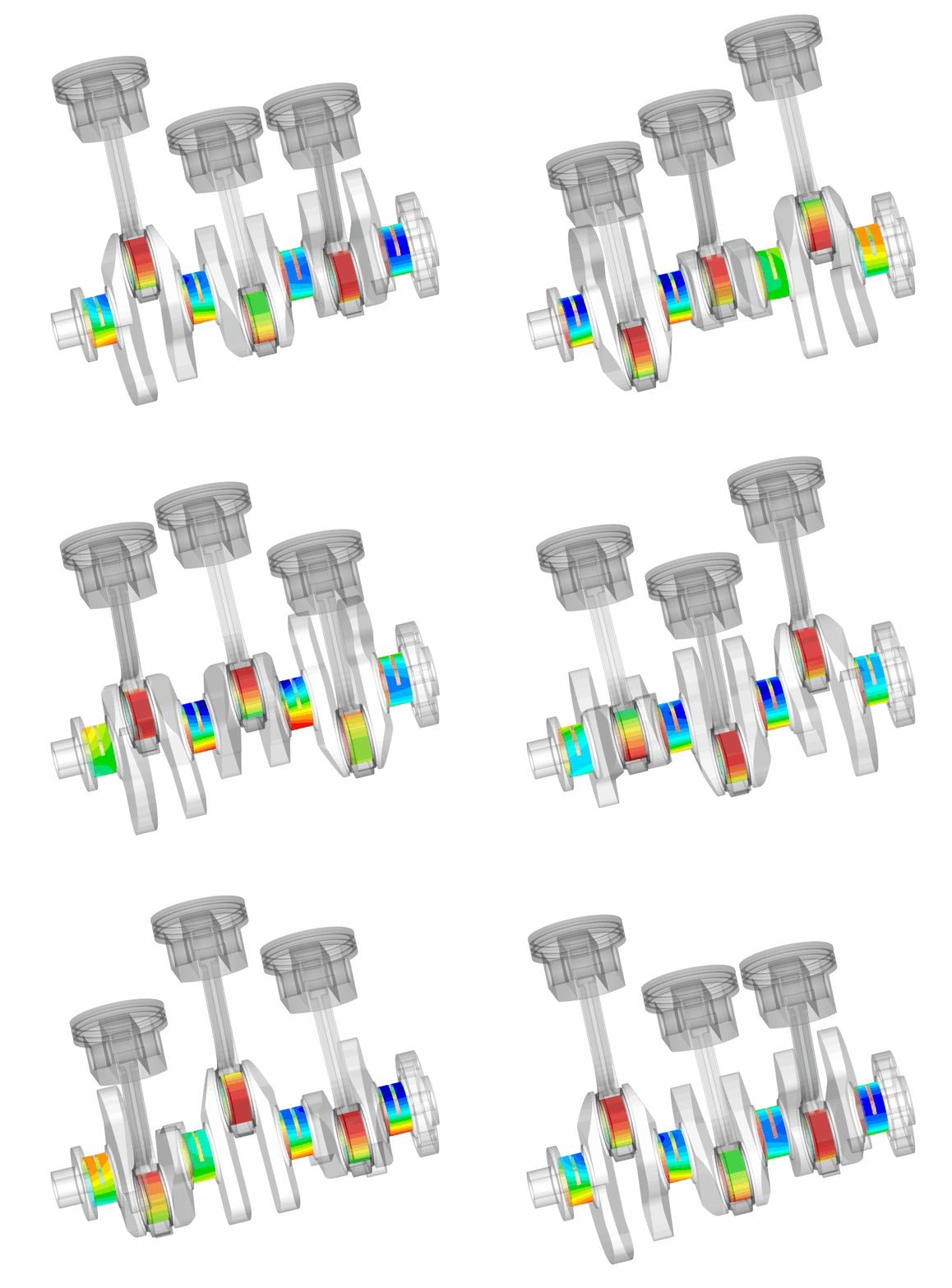
The solution is built on validated physics: oil film hydrodynamics, elastohydrodynamic (EHD) contact models, and a statistical asperity contact model that together capture how load is shared between the lubricant film and direct surface contact at every interface, accounting for how temperature, pressure, and shear rate affect lubricant viscosity and surface geometry. Because these tribology models run directly inside GT-SUITE’s multibody models of cranktrains, valvetrains, and other moving assemblies, they use the real loads and speeds the system generates rather than simplified estimates, giving physics-accurate friction predictions engineers can trust.
Teams can explore far more design and operating combinations than manual testing allows, converging faster on low-friction, high-durability designs and root-causing wear or seizure issues before they reach the field.

Application Highlights

Bearing & Lubrication Modeling

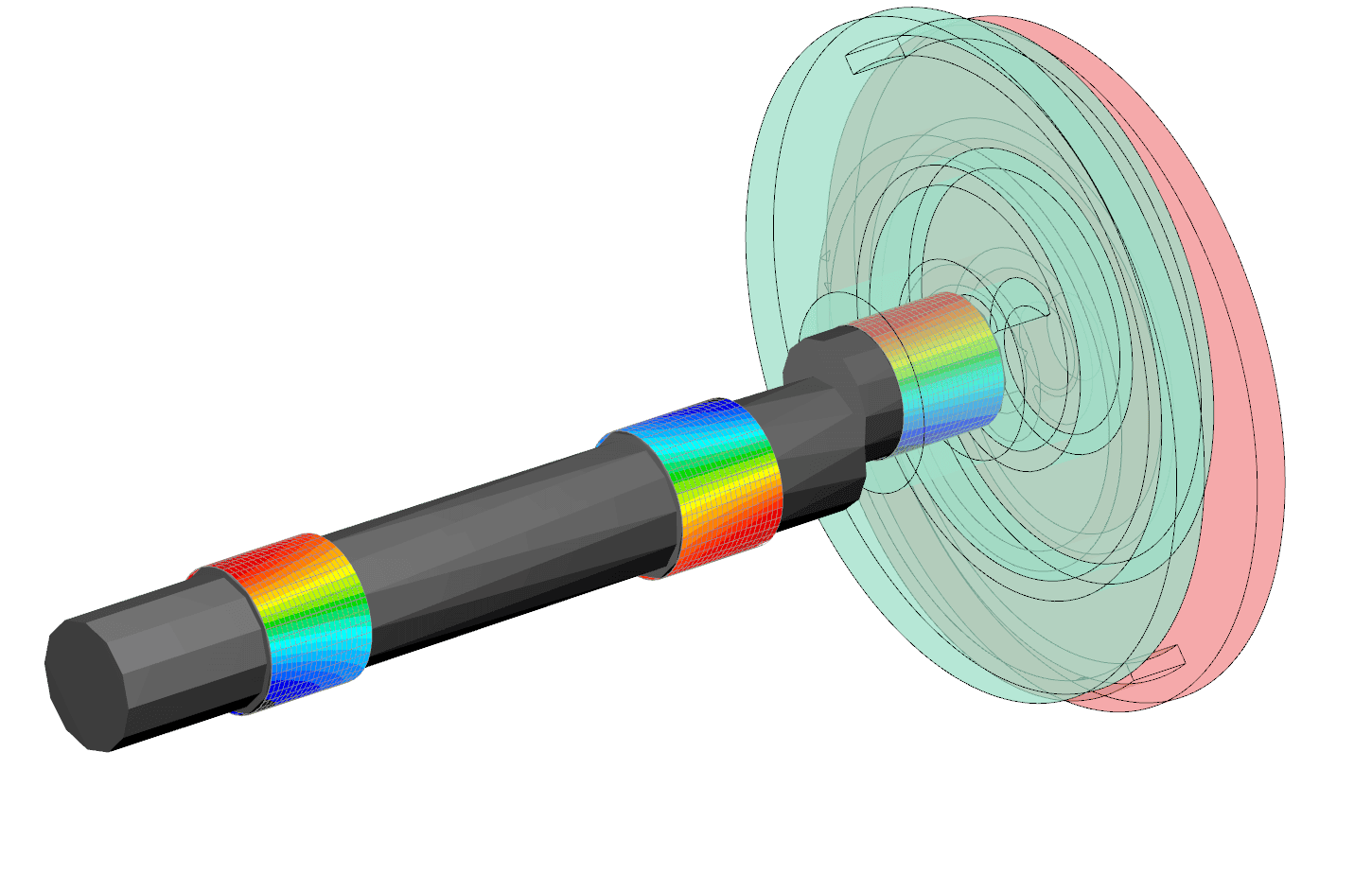
  • Journal bearing modeling and performance: fast map-based methods to detailed 2D and 3D FE hydrodynamic and elastohydrodynamic methods with cavitation, predicting orbit, minimum oil film thickness, flow, friction, oil temperature rise, and wear load.
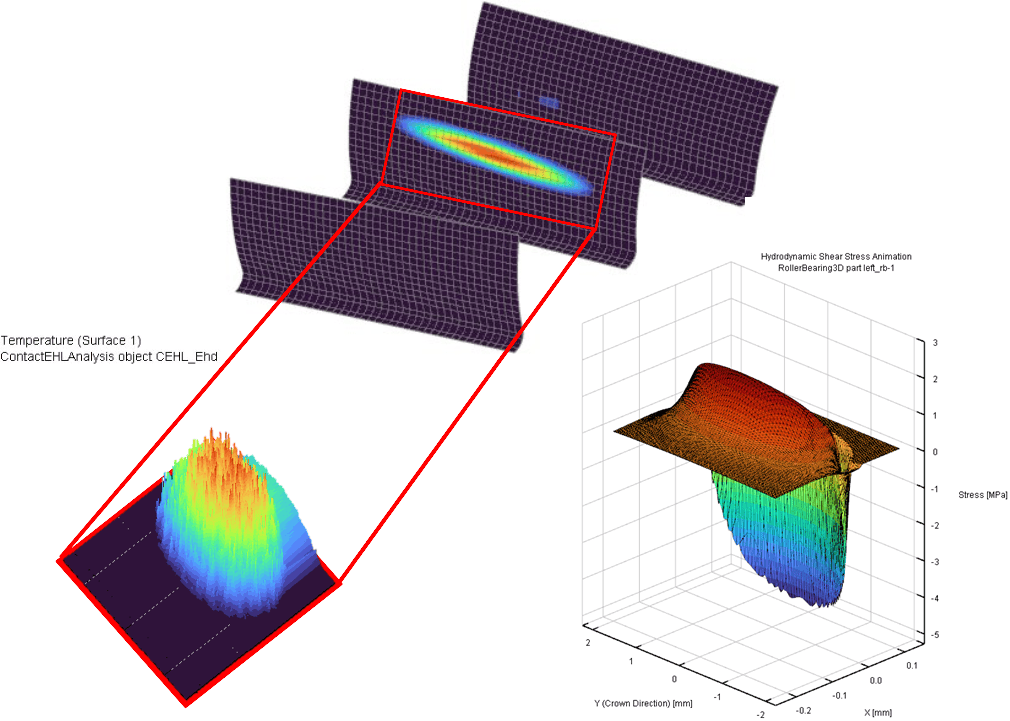
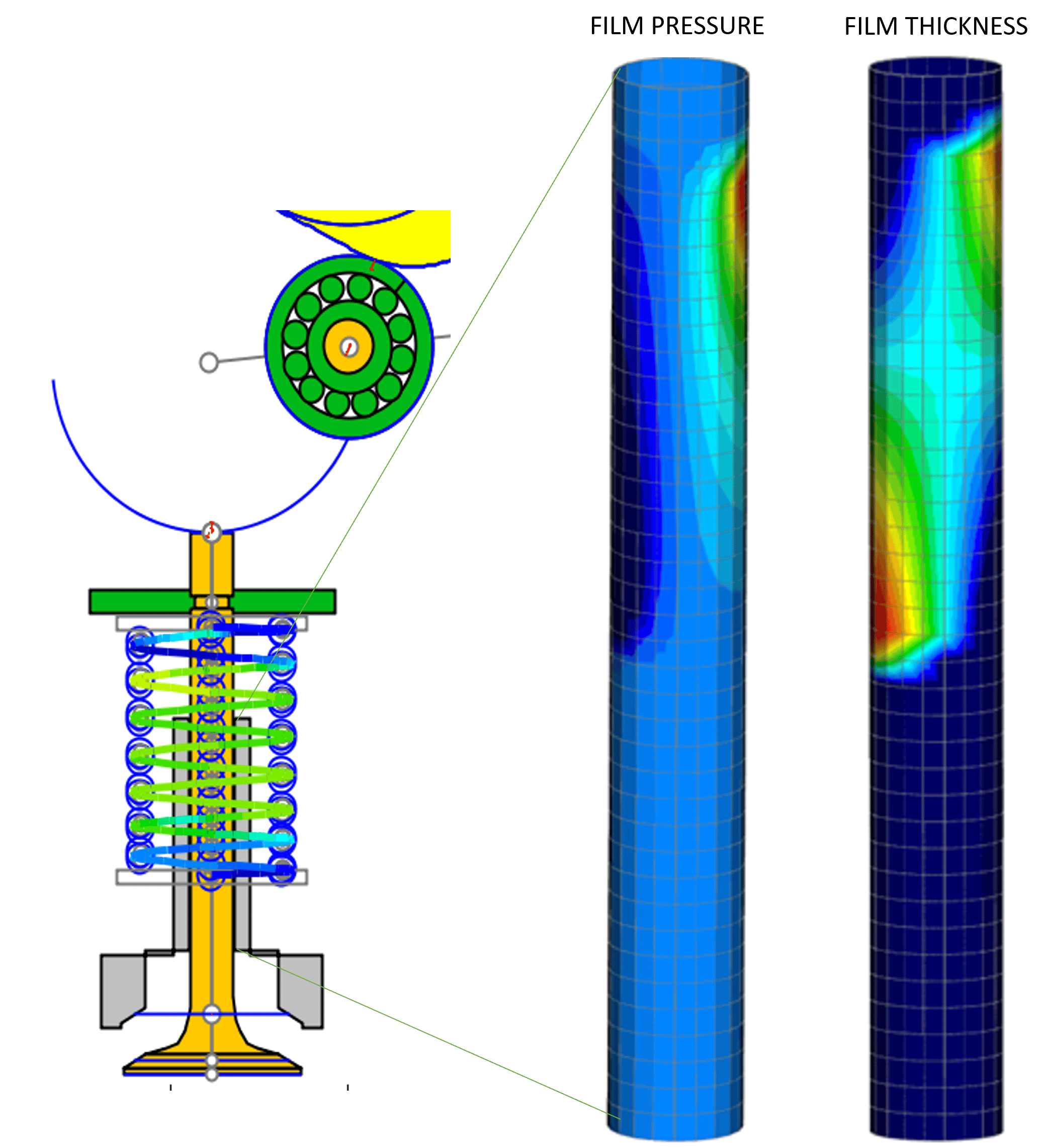
  • Contact Elastohydrodynamic (EHL) modeling: of valvetrains, cam-followers, roller bearings, and other rolling/sliding counter-formal contacts.
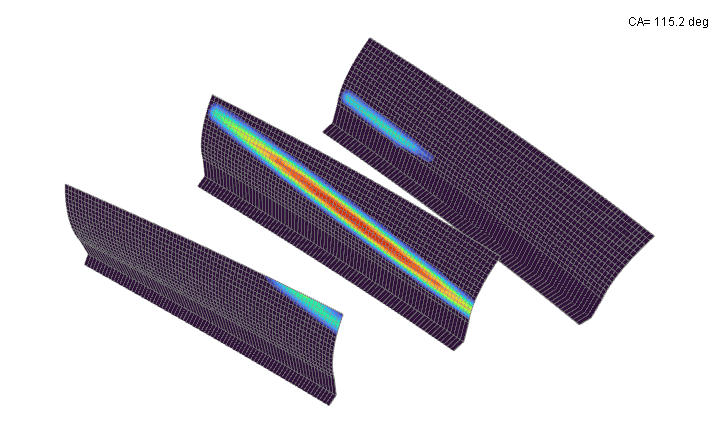
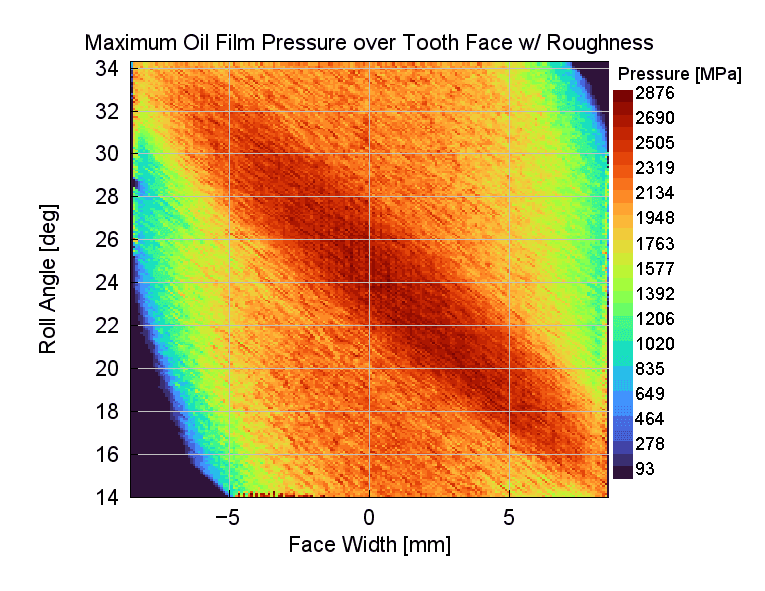
  • Gear Tribology. EHL contact modelling of gear mesh friction, efficiency losses and micropitting, scuffing risk assessment.
  • Piston skirt-to-cylinder oil film hydrodynamics and secondary motion prediction.
  • Piston ring oil film friction, including effects of oil starvation, bore distortion, conformability, blowby and oil consumption.
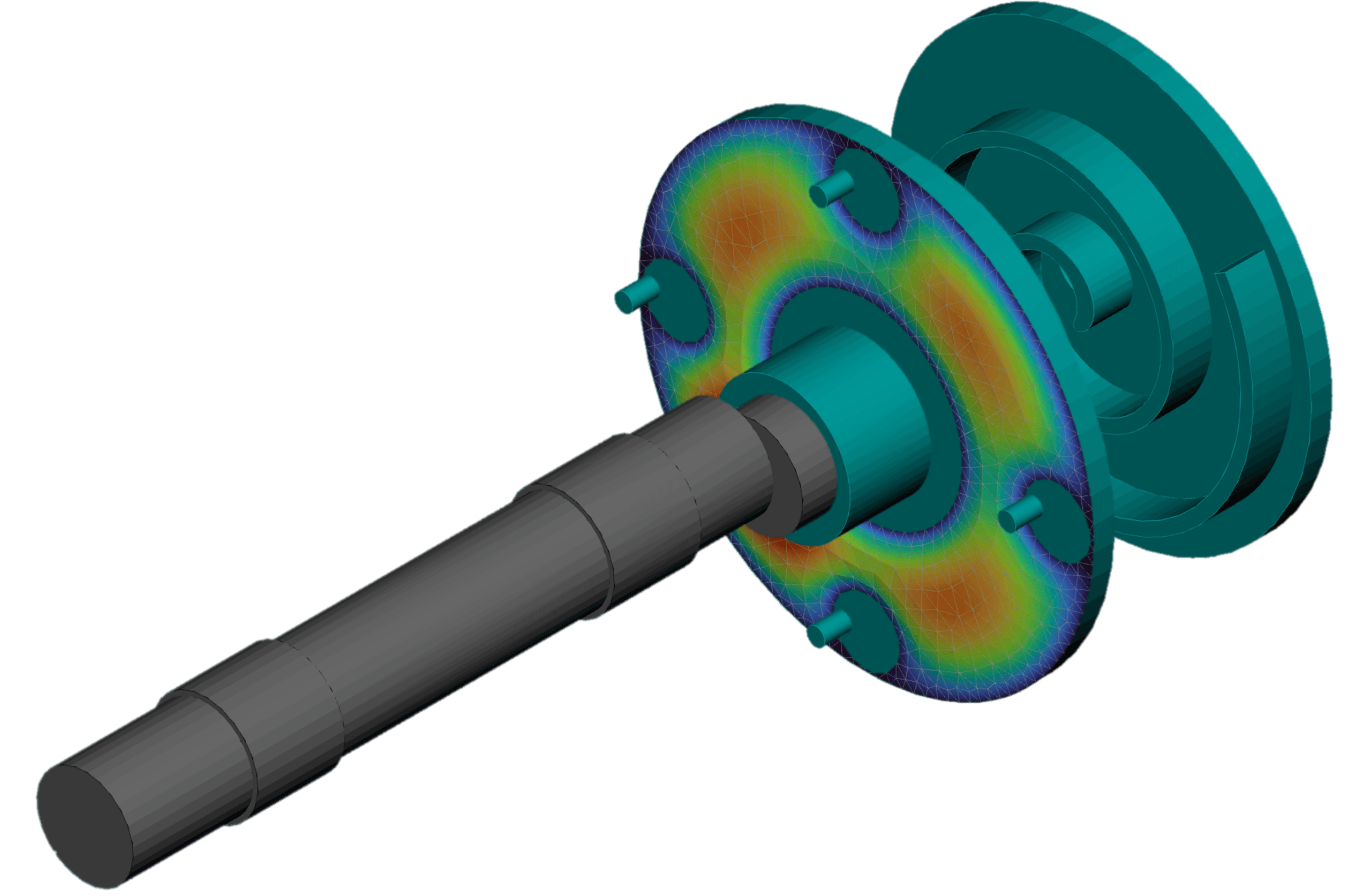
  • Thrust bearing oil film hydrodynamics and elastohydrodynamics (EHD) for crankshafts, scroll compressor and turbochargers, including high-speed inertia effects.
  • Chain and belt system friction. Tension, engagement losses, and efficiency across drive systems.
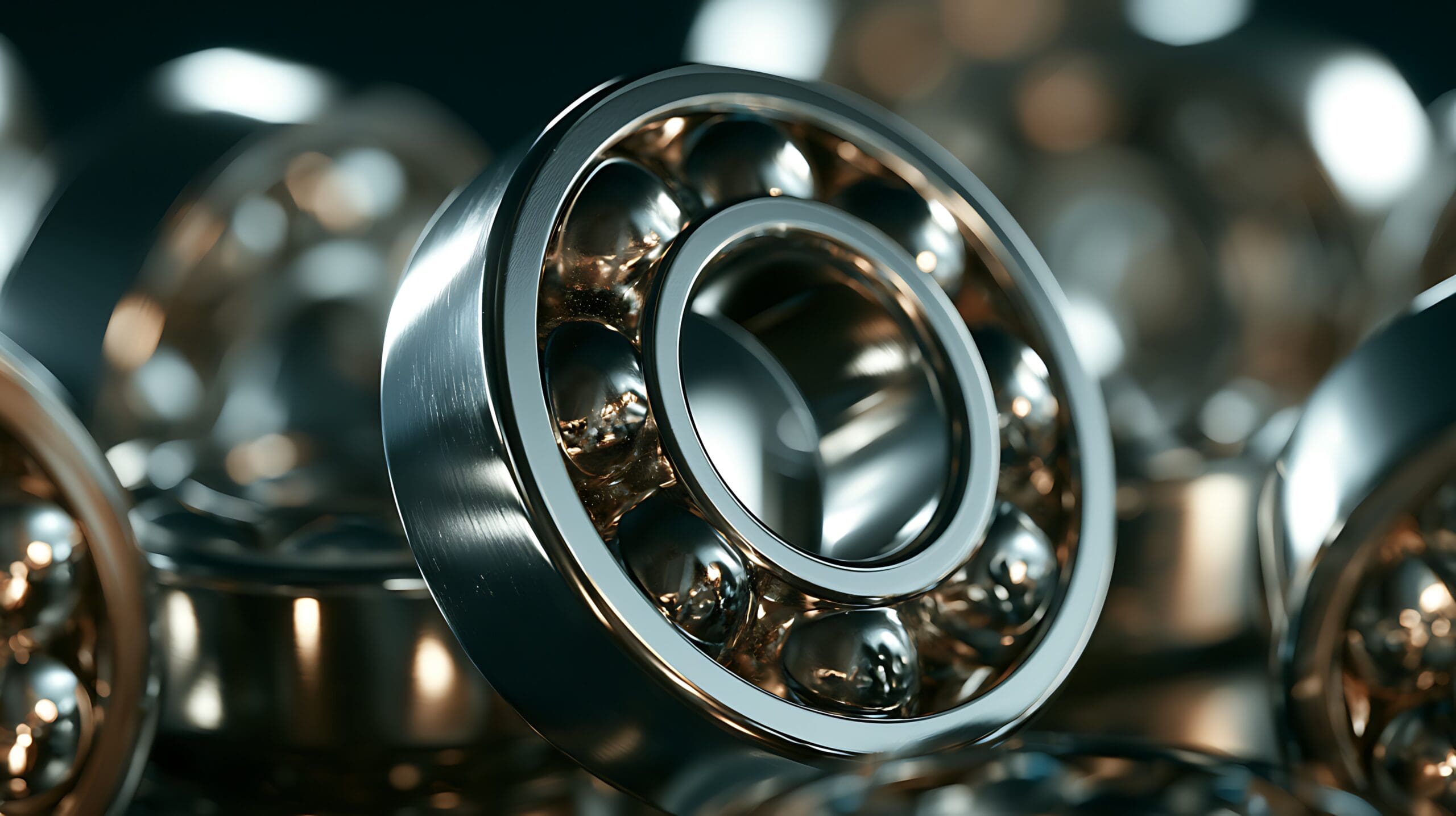
  • Roller bearing EHD contact and friction modeling: ball and needle bearing types.
  • Scroll compressor friction modeling: tip seal and flank contact.
  • Wear progression simulation. Predicts wear accumulation and evolving surface geometry over duty cycles at contact interfaces.
  • Fully integrated with GT-SUITE MBD models of cranktrains, valvetrains, timing drives, and lubrication circuits, with fast run times suitable for multi-variable DoEs.
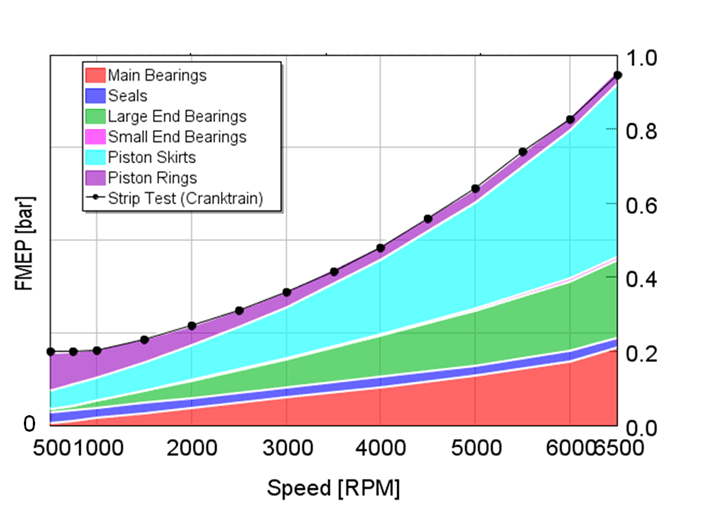
  • Detailed friction component reporting. Component-by-component breakdown across the full system.

Advanced Features

Key Features for this Solution

GT-SUITE supports advanced wear analysis, root cause diagnostics, surface texturing, and fully integrated MBD and lubrication modeling.

check mark icon

Design Optimization and Root-Cause Failure Analysis

Run virtual DoE studies across geometry, lubricant, and operating parameters to identify optimal designs for efficiency, friction, and durability, and simulate failure modes to isolate root causes and predict field failures before they happen, far faster and cheaper than physical test programs.

check mark icon

Integrated Lubrication System Modeling

Fully coupled with lubrication circuit models to predict the pressures and flow rates each bearing, gear mesh, or contact interface needs, and how supply variation affects performance.

check mark icon

MBD Integration Across Mechanical Systems

Tribological contacts run inside full multibody models of cranktrains, valvetrains, gear trains, and drivetrains, so friction predictions reflect actual system-level speeds, loads, and dynamics

check mark icon

Virtual Strip down Friction Correlation

Reconstruct component-level stripdown friction measurements virtually across the full system, validating models against test and identifying the biggest friction contributors.

check mark icon

Surface Roughness and Lubricant Rheology Effects.

Import measured profilometer data directly and model shear-thinning, temperature-, and pressure-dependent viscosity for physically accurate asperity contact behavior.

check mark icon

Metamodeling and Machine Learning.

Train fast-running surrogate models on simulation results to explore design and operating spaces in real time, enabling rapid trade-off studies and optimization without re-running the full physics model for every case.

Connect with an Expert

Looking for guidance on a systems simulation challenge or project? Fill out the form below and our team will reach out to discuss how we can help.