




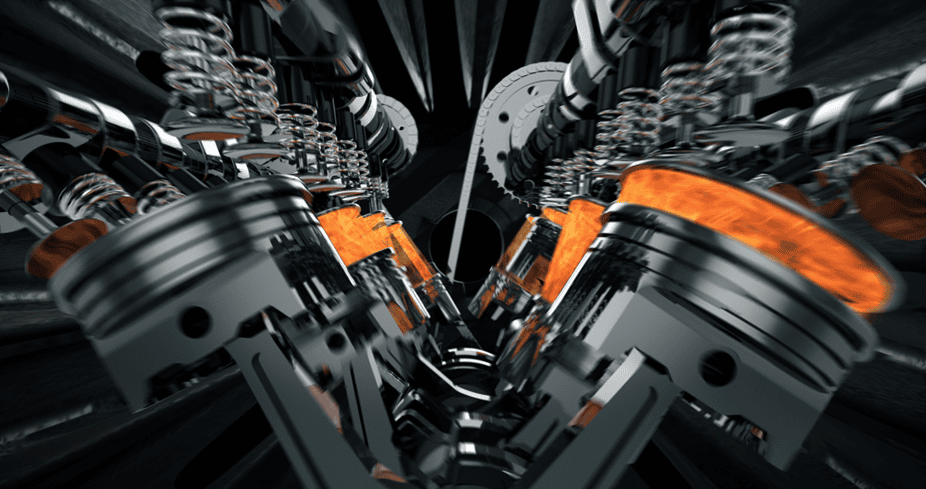

Component-Based Modelling Framework
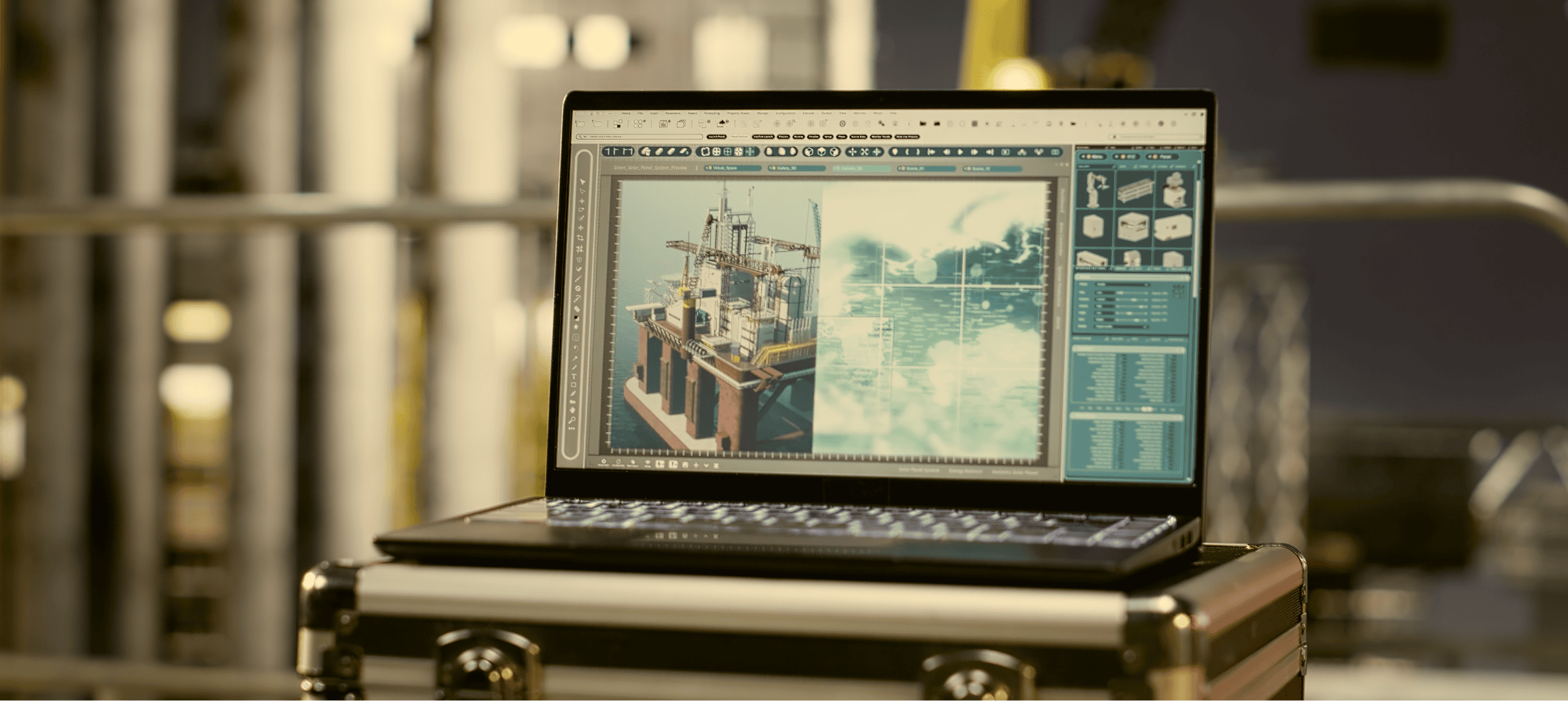
Models are constructed using reusable physical components that represent real-world subsystems, supporting transparency and modularity.
Products
Innovate confidently with world-class systems simulation
SOFTWARE OVERVIEW
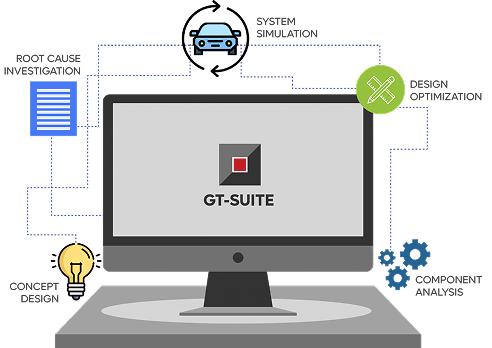
GT-SUITE is the industry-leading simulation tool with capabilities and libraries aimed at a wide variety of applications and industries. It offers engineers functionalities ranging from fast concept design to detailed system or sub-system/component analyses, design optimization, and root cause investigation.
MULTI-PHYSICS INCLUDED
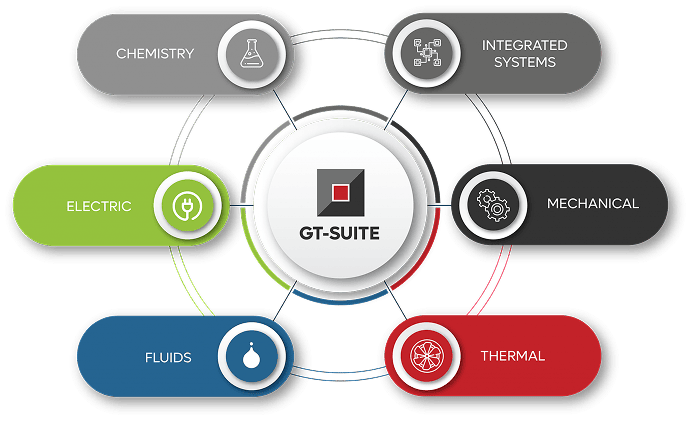
The foundation of GT-SUITE is a versatile multi-physics platform for constructing models of general systems based on many underlying fundamental libraries:
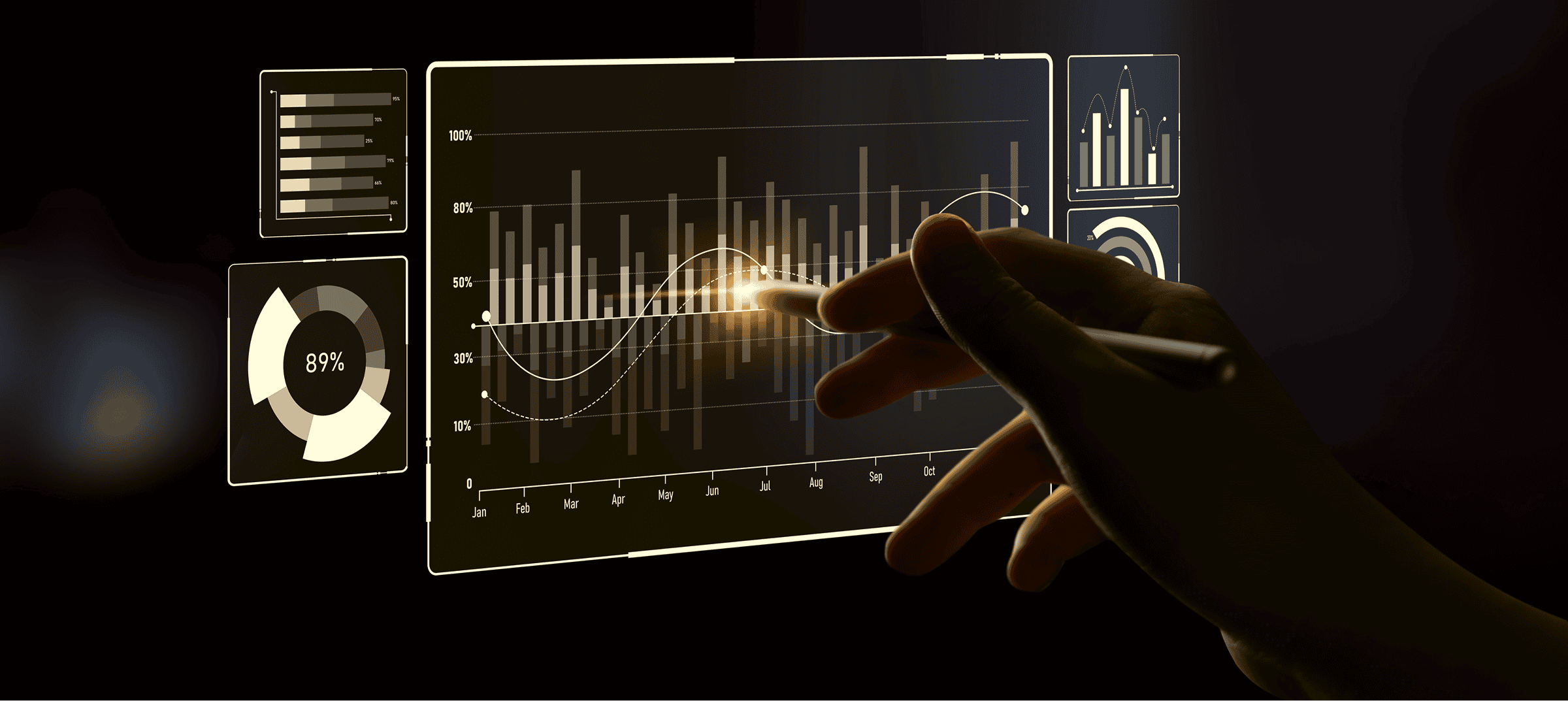
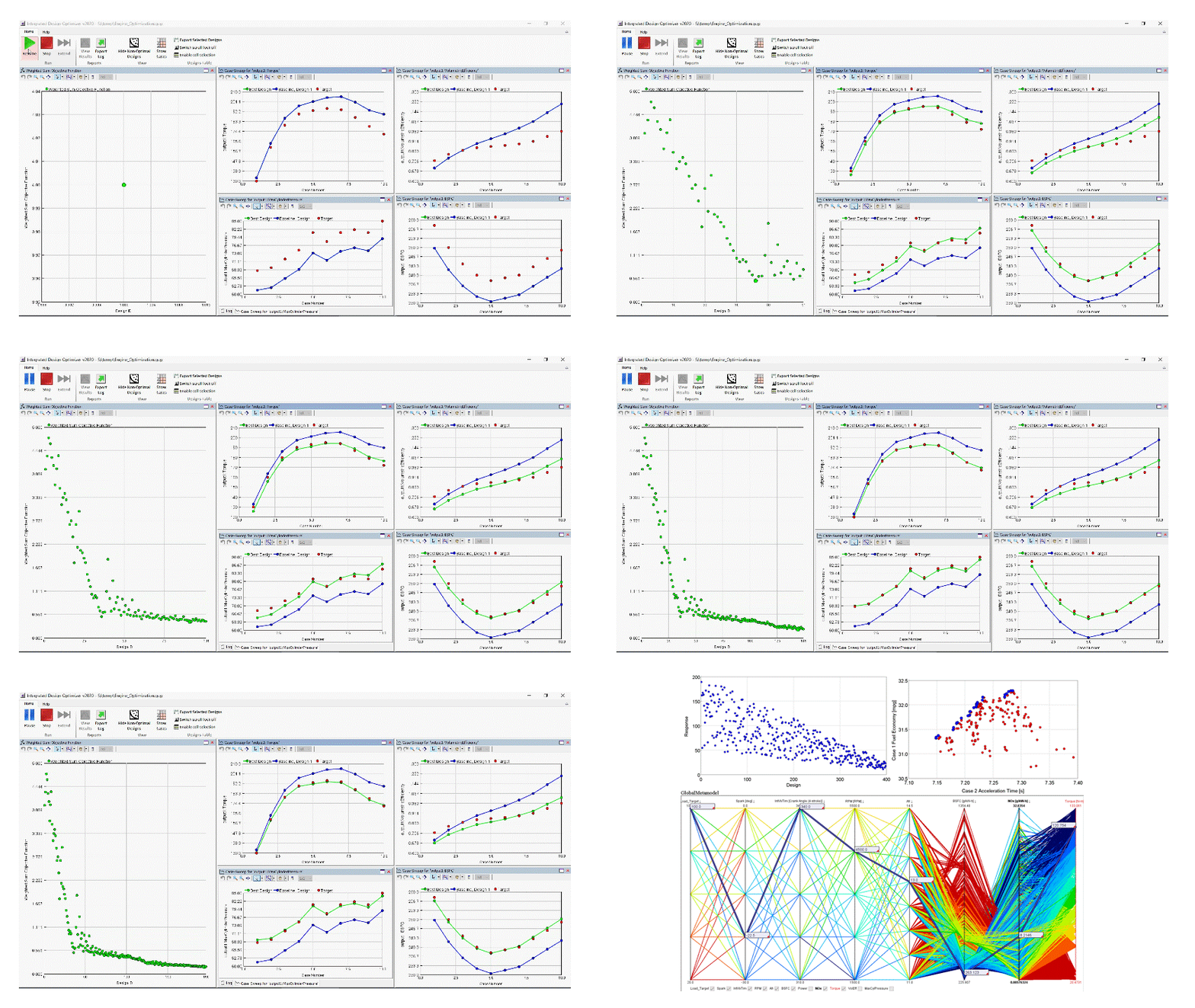
GT-SUITE includes a state-of-the-art optimizer tool for performing design optimization and calibrating models to measured data. A variety of sophisticated and powerful search algorithms enable users to discover optimal designs within large, multi-dimensional domains. Explore design trade-offs among multiple competing objectives and constraints with the Pareto approach to multi-objective optimization. Parallel coordinates plots facilitate exploring inter-variable relationships, filtering data sub-spaces, and visualizing trends of multi-dimensional datasets. Finally, expedite long optimization runs by running multiple design iterations simultaneously via seamless integration with distributed computing.
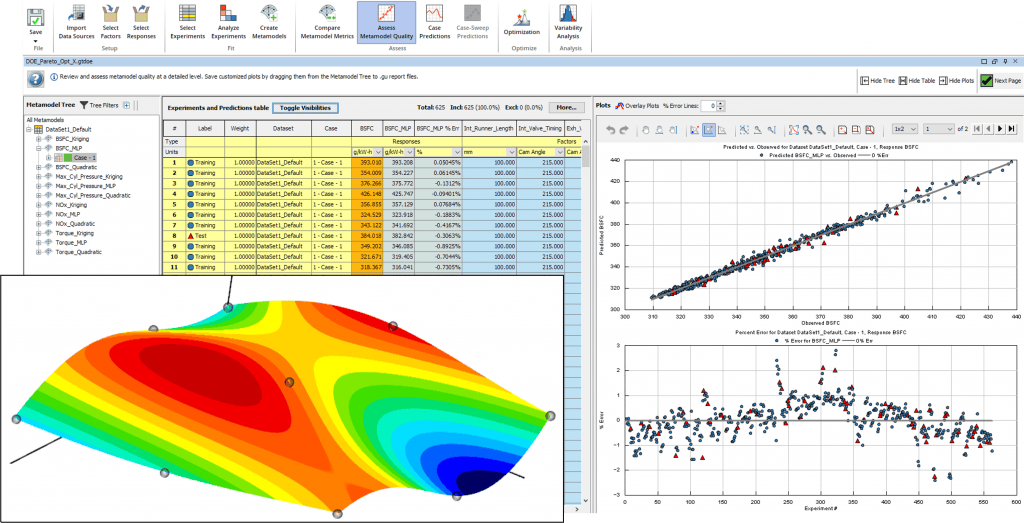
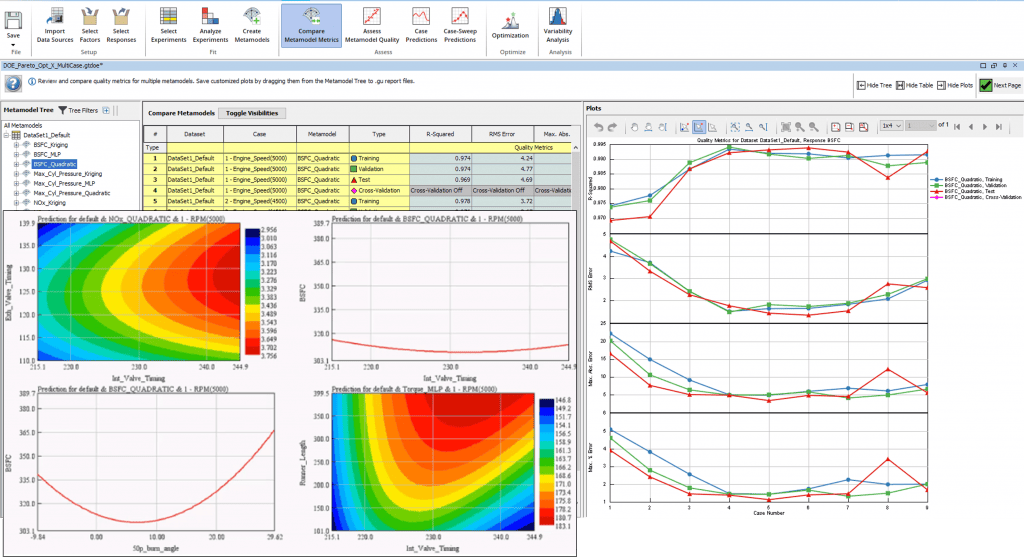
GT-SUITE includes a visual-oriented machine learning platform that enables transforming data – whether it’s generated from simulations or taken from measurements and testing – into fast-executing metamodels. Metamodels are powerful tools for design exploration, sensitivity analysis, optimization, and replacement of computationally–expensive physics-based sub-models. Available metamodels include deep neural networks, Gaussian interpolation, and polynomial regression. Export metamodels to GT-ISE to use as fast surrogate predictions in any GT-SUITE model. When generating data from simulations, a variety of space-filling sampling algorithms are available to construct Designs of Experiments. User can also take advantage of machine learning capabilities using Python scripting with the GT-Automation add-on license.
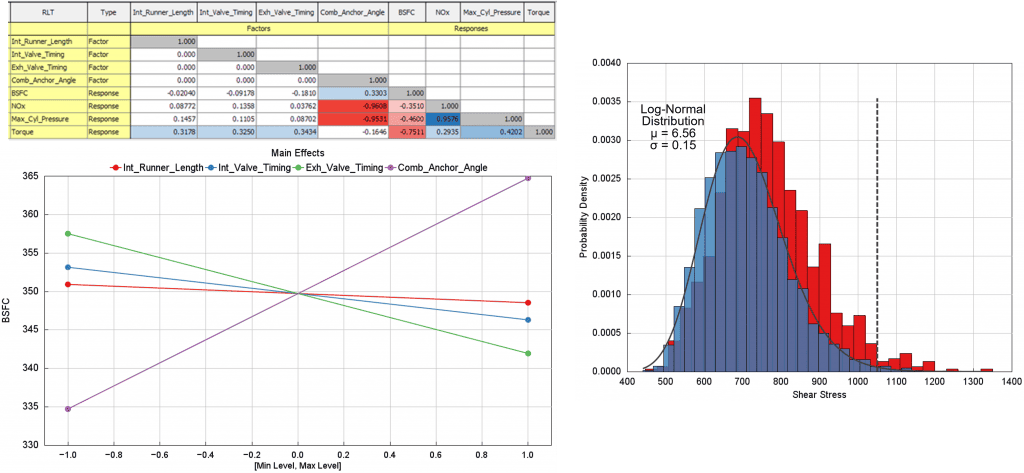
GT-SUITE includes several approaches for sensitivity analysis and factor screening – including main effects plots, correlation coefficients, elementary effects method, variance-based Sobol method, and Monte Carlo filtering – that enable identifying and ranking the most influential input variables on any system. Similarly, identify negligible inputs that have little or no effect so they can be discarded from further analysis, thereby simplifying optimization and machine learning tasks.
In addition, GT-SUITE provides tools for performing Monte Carlo Variability Analysis, where statistical distributions can be applied to model inputs for the purpose of predicting variability in model outputs. Mathematical fits to the output distributions facilitate predicting risk of low-probability outcomes. Finally, as an engineering design tool, perform fast what-if studies to experiment with modifying input distributions to achieve more desirable output distributions.
Models are constructed using reusable physical components that represent real-world subsystems, supporting transparency and modularity.
Thermal, fluid, mechanical, and controls behaviors can be simulated within a unified system-level model.

Predefined libraries support rapid model development and customization across industries and applications.

GT-SUITE supports integrated system modeling that includes control strategies within the simulation environment.
The platform supports data import/export workflows to enable integration with external engineering tools and processes.
Built-in tools support parameter studies and performance analysis during system development.

GT-SUITE supports structured engineering workflows through:
Structured component libraries and version control integration enable teams to maintain and reuse validated models across projects while tracking changes and managing configurations.
Standard data interfaces and file format support allow GT-SUITE models to integrate with CAD, PLM, and other engineering software within existing tool chains.
GT-SUITE can be coupled with other simulation tools to combine system-level models with detailed 3D analyses, enabling multi-fidelity simulation workflows.
Automation capabilities and parametric study tools enable teams to set up repeatable simulation processes that align with product development milestones.
