




Right-size engines and components before purchase or deployment
Power Architecture, Generation & Microgrid Optimization for Data Centers
Build resilient, efficient microgrids with integrated engine, renewable, hydrogen, and storage modeling for smarter, future-ready power systems.
Multi-Physics Simulation for Microgrids and On-Site Power Systems
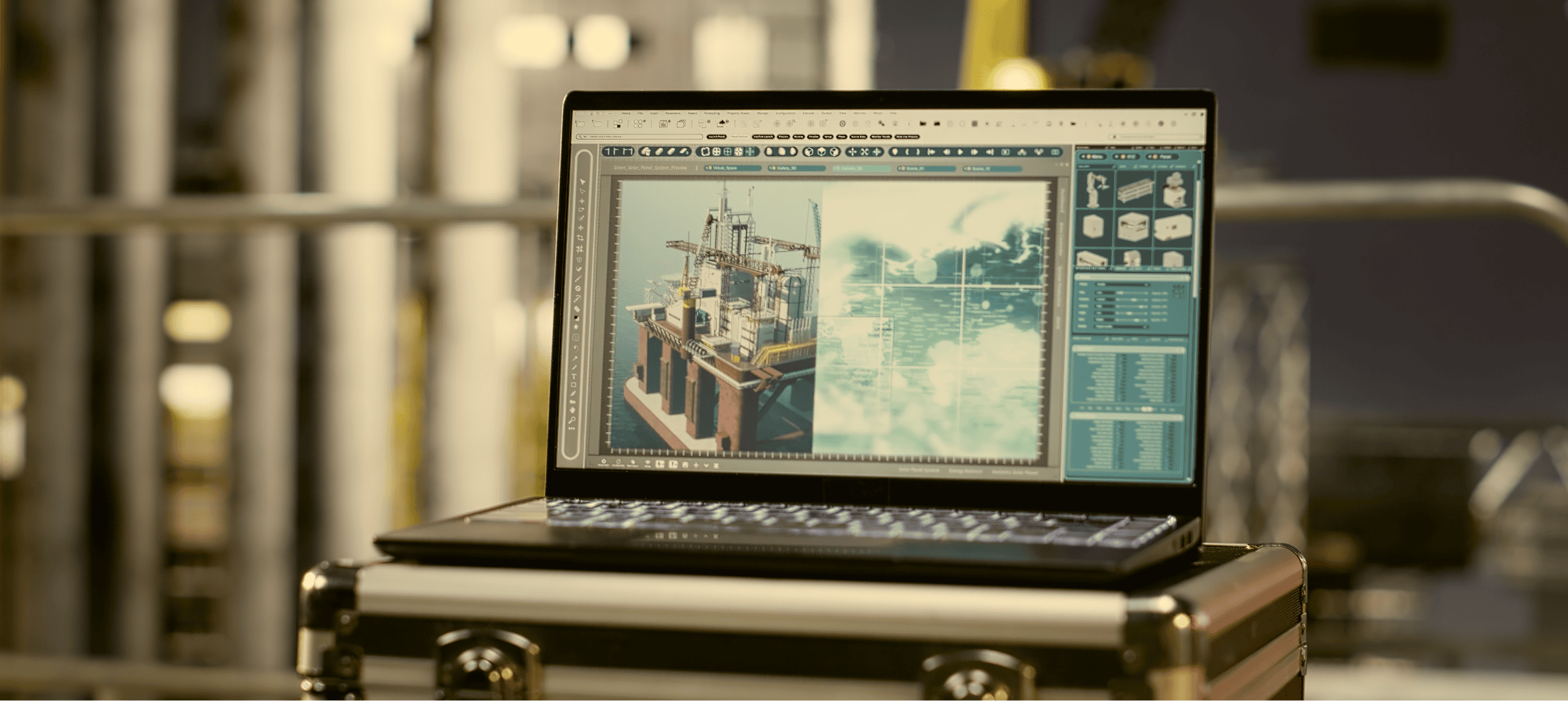
Modern data centers depend on highly reliable and increasingly sustainable power architectures. Backup generators, microgrids, UPS, BESS, and emissions systems must operate seamlessly together to ensure the highest reliability, reduce energy costs, and meet tightening environmental regulations. GT-SUITE delivers an advanced integrated multi-physics simulation soltions for comprehensive data center energy infrastructure modeling, enabling detailed analysis of microgrids and on-site power systems. The platform's capabilities extend to simulating critical components including reciprocating engines, complex fuel delivery systems, renewable energy integration, electrolysis processes, and hydrogen storage solutions. By combining thermal, fluid, and control modeling, GT-SUITE accelerates design iteration and delivers predictive insights for resilient, energy-efficient data centers.
Investigate microgrid topologies in a fully flexible multi-physics platform
Model diverse power generation and storage components with a versatile component model library
Ensure resilience and power
Optimize for fuel efficiency, emissions, and energy use
Model reciprocating (IC) engines, gas turbines, hybrid systems, and CHP plants

Improved Power Resilience & Stability
Model grid power, onsite generation, and UPS/BESS together to see how the system holds up under load transfer and transient events. Right-size engines and components before deployment instead of over-provisioning against worst-case guesses.

Enhanced Sustainability & Renewable Integration
Simulate solar, wind, and hydrogen pathways, including electrolysis production and fuel cell reuse, alongside reciprocating engines, gas turbines, and CHP plants. Engineers test how renewable and hydrogen assets fold into the existing power architecture without compromising reliability.

Smarter, Data-Driven Optimization & Lower Costs
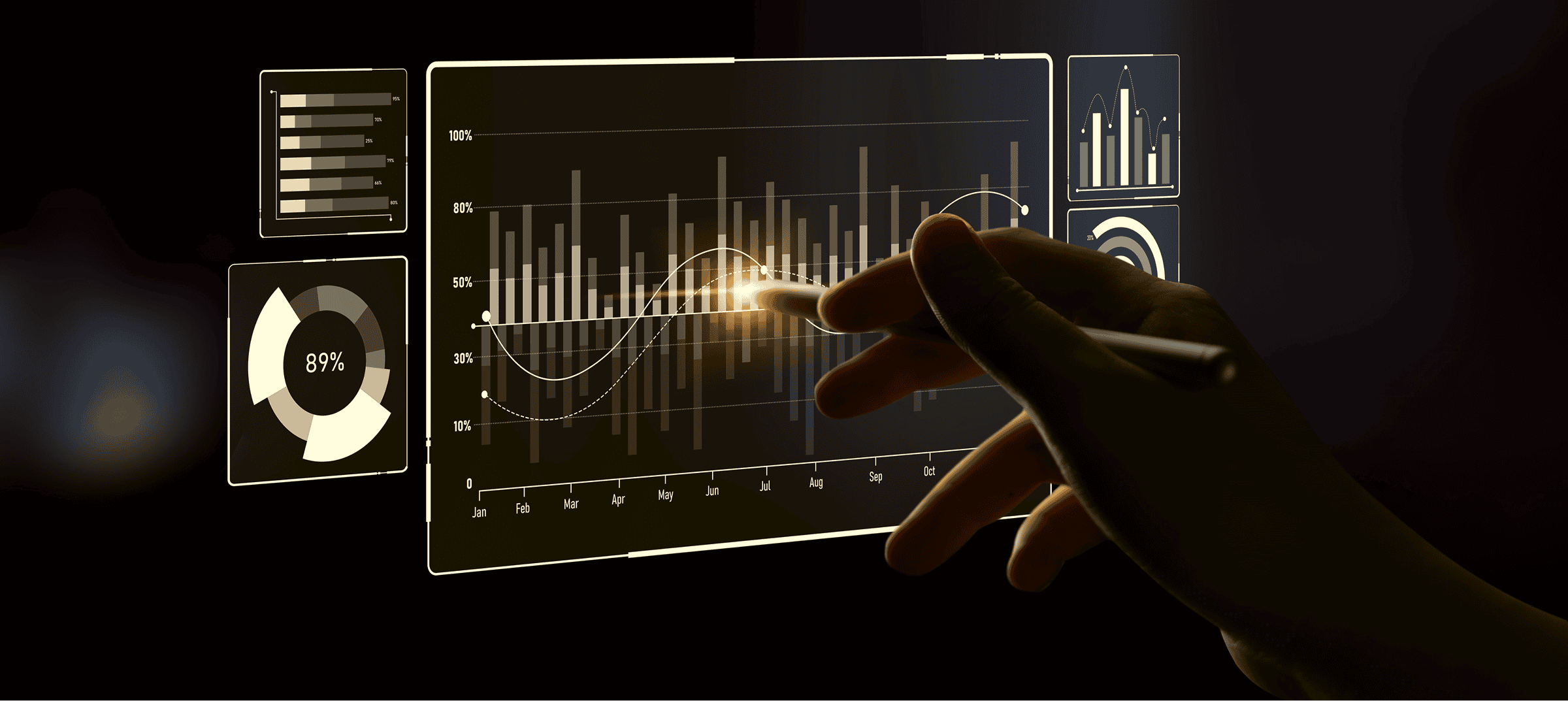
Optimize controller logic and power flow across the full microgrid to cut fuel use, emissions, and energy costs together. Compare topologies and component choices before purchase, so ROI decisions rest on simulated performance rather than assumption.

Power Distribution & Microgrids Capabilities
Microgrids are the backbone of modern, resilient data-center energy systems. They blend grid power, onsite generation, battery storage, and renewables to ensure stability and efficiency under variable conditions. GT-SUITE provides system-level modeling to analyze microgrid operation, power flow control, energy storage behavior, and grid interactions under any scenario.
-
Grid + onsite generation + UPS/BESS co-simulation
-
Solar, wind, and hydrogen-based power modeling
-
Microgrid controller and power flow optimization
-
Transient stability and load transfer behavior
-
Integration of IT and HVAC loads
-
Hydrogen production via electrolysis and reuse via fuel cells