






Category: XiL

Lithium Plating Detection: How Virtual Sensors Enable Smarter Fast Charging
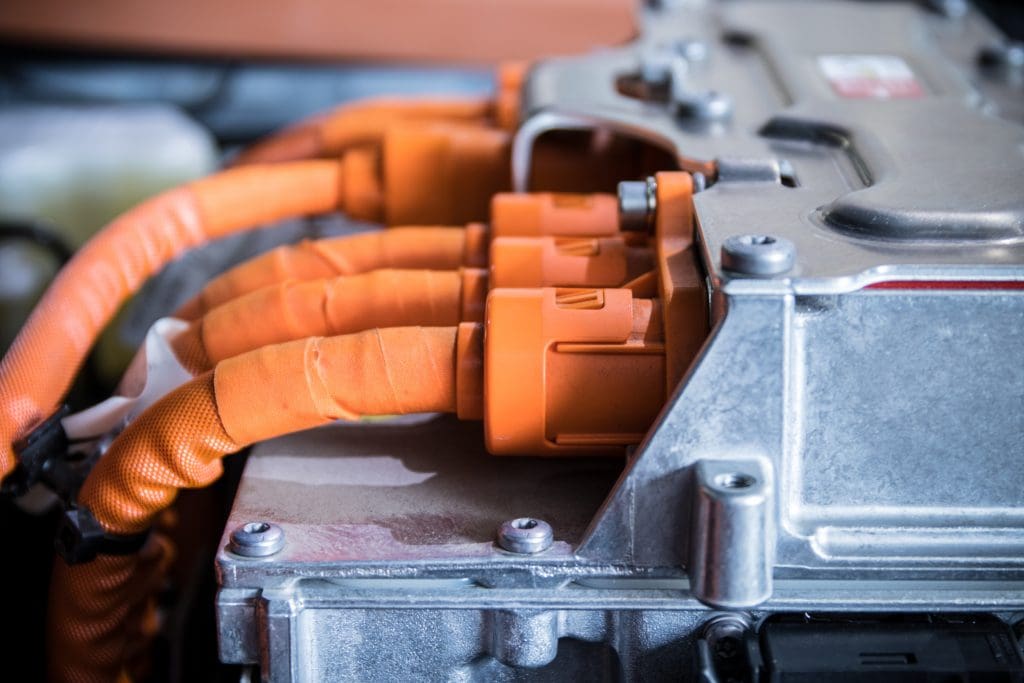
Fast Charging Pushes Li-ion Batteries Toward a Hidden Risk Fast charging has become a defining requirement for modern electric vehicles and battery-powered systems. Users expect shorter charging times, consistent performance, and reliable operation under all conditions. For simulation, battery control, and engineering teams, this shift raises a shared challenge: predicting and managing internal battery risk […]

Model Predictive Control with NARX Metamodels: Smarter Torque Requests for Fuel Cell Vehicles
As electrification expands across commercial fleets, engineers are rethinking power management to deliver efficiency, drivability, and robustness under real‑world conditions. By anticipating what the vehicle will need moments ahead, Model Predictive Control (MPC) reduces energy waste, smooths transients, and keeps the power source operating in its most efficient window. MPC paired with a dynamic, data-driven […]

A Year of Engineering Insights: Our Top 7 Blogs You Shouldn’t Miss
From smarter thermal systems and next-generation batteries to digital twins, fuel cells, and advanced air mobility, we explored how engineering simulation is reshaping engineering decisions across industries. If you’re working at the intersection of innovation, performance, and efficiency, these seven blogs capture the most impactful ideas we shared in 2025, each addressing real-world engineering challenges […]

Introduction to Virtual Calibration: A Smarter Approach to Powertrain Development
The Limitations of Conventional Calibration and Testing Testing and calibrating powertrains is crucial for product development yet traditionally requires years of work and millions in investment. Over time, requirements have expanded considerably to address regulatory compliance (OBD/emissions), customer expectations (efficiency), and manufacturer standards (reliability). Meeting these demands involves extensive physical testing through in-house facilities, on-road […]

Digital Twin Simulation: Engineering Smarter, Faster, and More Reliable Products
Why Digital Twins are Necessary and Important Imagine being able to predict equipment failures before they happen, optimize system performance in real time, and reduce expensive physical testing. This is the power of digital twins. A digital twin is a virtual replica of a physical asset, enabling real-time monitoring, simulation, and optimization. With increasing system […]