








Category: GT-AutoLion

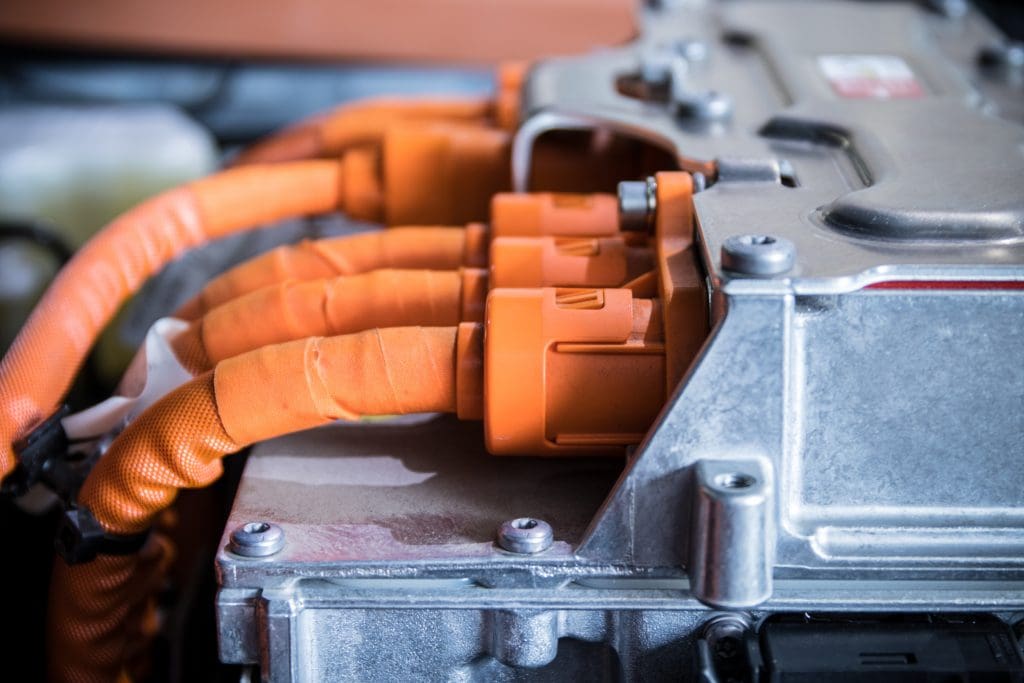
Lithium Plating Detection: How Virtual Sensors Enable Smarter Fast Charging
Fast Charging Pushes Li-ion Batteries Toward a Hidden Risk Fast charging has become a defining requirement for modern electric vehicles and battery-powered systems. Users expect shorter charging times, consistent performance, and reliable operation under all conditions. For simulation, battery control, and engineering teams, this shift raises a shared challenge: predicting and managing internal battery risk […]
From the Road to the Rack: Using Physics-Based Simulation to Integrate Second-Life Batteries into Data Centers
Today’s data center industry is facing a massive power crunch. Driven by the explosive growth of AI workloads and a strained electrical grid, the industry is desperate for solutions that can provide firm power solutions and resilience. Second-life (2nd life) batteries, repurposed modules from retired EVs, are a tempting solution to fill this gap at […]
Virtual Validation of Lithium-Ion Battery Management Systems
Battery Management Systems (BMSs) play a critical role in ensuring lithium-ion battery packs operate safely, efficiently, and reliably across all operating conditions. As battery systems become more complex and application demands continue to increase, validating BMS algorithms has become significantly more challenging. Building on the previous blog’s overview of BMS architecture for lithium-ion batteries (LIBs), […]

Part 3 — Integrating Physics‑Based Digital Twins into an IoT and Cloud Environments
Part 1 introduced the operational challenges associated with battery-powered IoT monitoring devices. Part 2 described how GT‑SUITE and GT‑AutoLion models capture the system physics and battery aging mechanisms. This final part explains how these models integrate into an IoT and cloud architecture, allowing each digital twin to operate as an automated, scalable component of the […]

Part 2 — Modeling Physical Digital Twins: Battery Behavior and Aging with GT‑SUITE and GT‑AutoLion
In Part 1, we explored why solar-charged, battery-powered IoT monitoring devices require reliable prediction of availability, SOH, and RUL, and why telemetry, statistical methods, or machine learning alone are not sufficient. In this second part, we focus on the modeling foundation: how GT‑SUITE and GT‑AutoLion provide the physics‑based structure that allows each digital twin to […]

Part 1 — Exploring the Power of Physics-Based Digital Twins
From asset monitoring stations in remote locations to industrial sensors tracking equipment health, many modern systems rely on small, self-powered IoT devices operating far from human reach. These devices are typically equipped with a solar panel, a battery, and a communication module. Their job is simple: collect data, stay powered, and reliably transmit information to […]

Combining Physics and Machine Learning to Predict Battery Aging with Confidence
Battery technology is evolving rapidly to meet the growing demands of electric vehicles, large-scale energy storage systems, and portable electronics. A major challenge lies in reliably predicting long-term battery performance within practical development timelines. Because batteries degrade gradually during both use and storage, conventional testing methods take a long time to produce accurate lifetime estimates. […]

A Year of Engineering Insights: Our Top 7 Blogs You Shouldn’t Miss
From smarter thermal systems and next-generation batteries to digital twins, fuel cells, and advanced air mobility, we explored how engineering simulation is reshaping engineering decisions across industries. If you’re working at the intersection of innovation, performance, and efficiency, these seven blogs capture the most impactful ideas we shared in 2025, each addressing real-world engineering challenges […]

What is a Battery Management System (BMS)? The Brain Behind Lithium-Ion Batteries
The Human Analogy: How BMS Brings Batteries to Life Imagine walking into your favorite bakery. Your eyes scan the variety of treats in the glassed casing. Your ears pick up the humming and whirring of the ovens. Your skin senses the warmth in the room. Your nose picks up the smells of freshly baked bread […]